
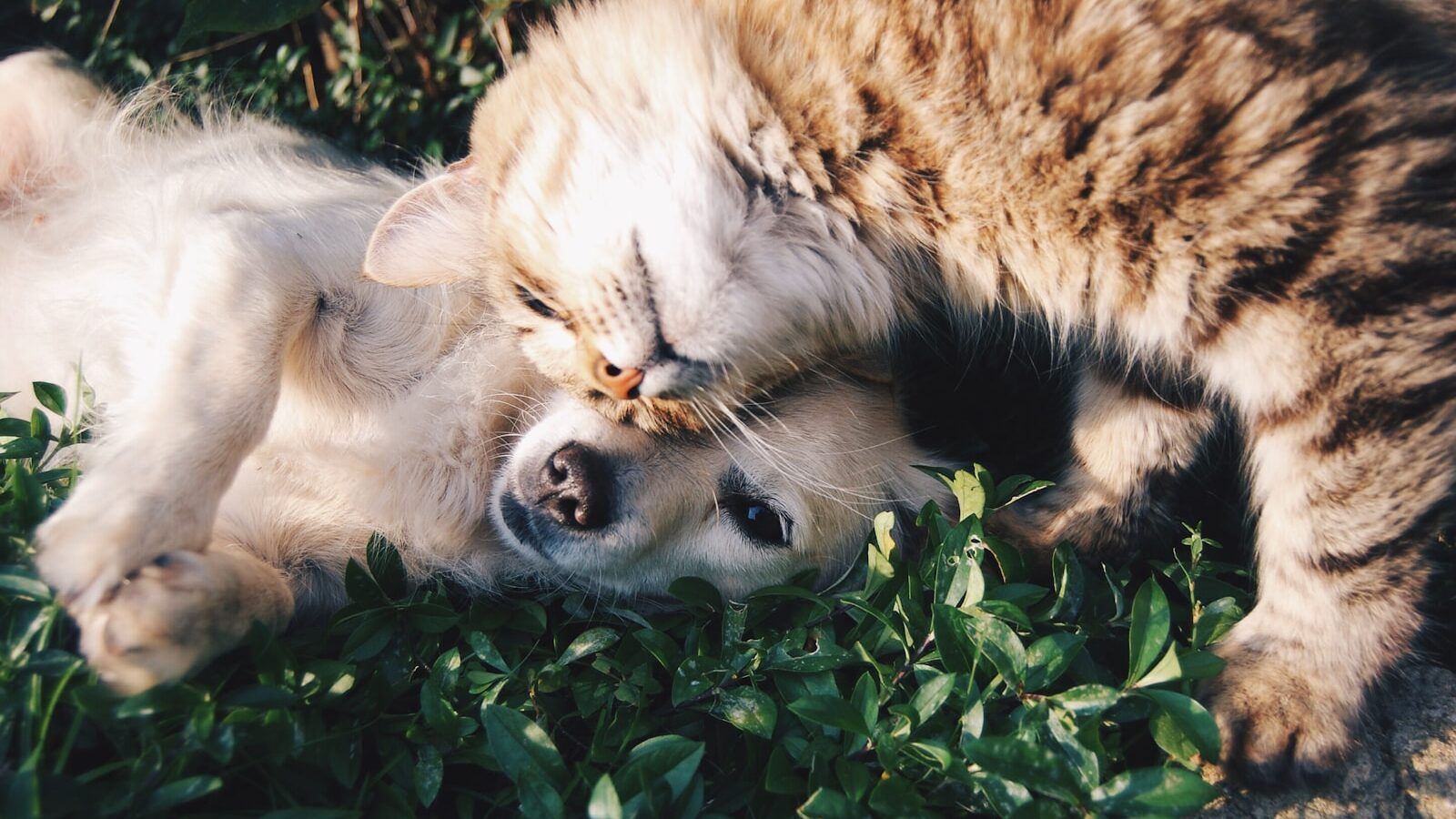
Many Singapore homes hold more than one kind of animal: a dog and a cat, a cat and a fish tank, a rabbit alongside a family dog, or a hamster in a flat that also has a curious feline. A multi-species pet household can be a joy, but it also asks a lot of you. The hardest truth to accept is that some animals are, by instinct, predator and prey, and no amount of love rewrites that wiring. Harmony here is less about making different species best friends and more about arranging your home so every animal feels safe, has its own space, and is never put in a position where instinct takes over.
This guide is general information, not veterinary or behavioural advice. If you are unsure whether two species can safely share a home, or if there has been a frightening incident, speak to a licensed vet or an accredited animal behaviourist before going further.
Understand the Predator and Prey Divide
Before mixing species, it helps to be honest about what each animal is. Dogs and cats are predators. Rabbits, hamsters, mice, guinea pigs, birds and fish are, in nature, prey. A dog or cat chasing a smaller animal is not being naughty; it is following a deep hunting instinct that can switch on in a heartbeat, even in a gentle, well-loved pet.
This does not mean these animals can never live under one roof. It means they should generally live separate lives within the same home, rather than sharing space freely. A cat and a hamster can coexist in the same flat when the hamster’s enclosure is secure and out of reach. A dog and a rabbit can share a household when they are kept in different zones and never left loose together.
The riskiest mistake is assuming a calm first meeting proves lasting safety. Prey animals hide fear well, and a predator’s chase drive can appear suddenly during play. Plan for the instinct, not the hope.
Give Every Animal Its Own Space
Space is the foundation of a peaceful multi-species home, and in a compact HDB flat that takes planning. The aim is for each animal to have a secure area it controls, where no other pet can reach it.
Set your home up with these in mind:
- Secure enclosures for small and prey pets. A hamster, rabbit, bird or mouse needs a sturdy, escape-proof, chew-proof enclosure that a cat cannot open or knock over and a dog cannot nose into.
- Height for cats. Cat trees, shelves and high perches let a cat retreat above a dog. Vertical space is precious when floor space is limited.
- A closed-door option. Being able to shut animals into separate rooms is the simplest safety tool you have.
- Placement matters. Keep a fish tank or small-pet cage on a stable surface, away from a cat’s reach, with a secure lid.
- Separate resources. Give each animal its own food, water, bed and, for cats, litter tray, positioned so no animal has to pass a rival to use them.
A prey animal that can never fully relax because a predator watches it all day is suffering, even if nothing ever happens. Out of sight and out of reach is often kinder than constant supervised proximity.
Introduce Slowly, or Not at All
Where two species genuinely can share space, such as a dog and a cat, introductions must be slow and staged. Where they cannot, such as a dog and a hamster, the answer is simply secure separation rather than any introduction at all.
For species that can learn to coexist:
- Start with scent, swapping bedding or cloths so each animal grows used to the other’s smell before they meet.
- Let them sense each other through a closed door or barrier while both stay calm and are rewarded for it.
- Move to brief, supervised meetings with the dog on a lead, and never restrain or corner the smaller or more fearful animal.
- Keep sessions short, end on a calm note, and only lengthen them as both animals stay relaxed.
- Give it weeks, not days, and step back a stage at any sign of stress.
For prey pets, do not try to introduce them to a predator at all. Let a rabbit or hamster live its life in a secure area, and enjoy it separately. Forcing contact for the sake of a photo or a hope of friendship is a real welfare risk.
Supervise, and Never Force Cohabitation
Even animals that seem to get along should not be left loose together unsupervised, especially across the predator and prey line. Supervision means active watching, not being in the same flat while you scroll your phone.
The core rules of a safe multi-species pet household are simple but non-negotiable:
- Never leave predator and prey species loose together unsupervised, even briefly. Separate them behind a door or in an enclosure whenever you leave the room or the home.
- Watch body language. A hard stare, stiff body, fixation or a low crouch means step in and add distance before anything escalates.
- Do not force it. If an animal is persistently stressed, hiding, off its food or frightened, accept that these pets may need to live fully apart within the home.
- Protect the prey animal’s peace. Constant exposure to a predator is stressful even without an attack.
- Give each pet its own time and attention so no animal competes for you.
Forcing species to cohabit against their instincts is not a training goal to push towards; it is a risk to manage. A calm, permanently separated arrangement is a complete success, not a failure.
Matching Species and Setting Expectations
Realistic expectations prevent most problems. Some pairings can share supervised space; others should only ever share an address, not a room. This comparison sets a sensible baseline, though every individual animal differs.
| Species pairing | Realistic arrangement | Key precaution |
|---|---|---|
| Dog and cat | Can often coexist with slow introductions | Give the cat height and escape routes |
| Cat and small pet | Same home, never loose together | Secure, escape-proof enclosure out of reach |
| Dog and small pet | Same home, kept fully separate | Barriers and closed doors, never loose together |
| Cat and fish | Same home with a covered tank | Secure lid, tank out of the cat’s reach |
| Two of the same prey species | May share if raised and bonded carefully | Research species-specific pairing and space needs |
When you add a new animal, factor in the resident pets’ temperament, age and past experience, and be prepared to keep species apart permanently if that is what keeps everyone safe. Check the current AVS approved-pet list before getting any small or exotic pet, as many species may not be legal to keep in Singapore.
Keeping the Peace Long Term
A harmonious multi-species home is maintained, not achieved once. Routines, enrichment and calm management keep instincts from being triggered and stress from building.
- Keep each animal’s routine steady, since disruption raises tension across the household.
- Give predators plenty of exercise and enrichment so they are not looking to smaller pets for entertainment.
- Double-check enclosures, lids and latches regularly, as a determined cat or dog will test a weak one.
- Separate all animals securely whenever you leave the flat.
- Watch for quiet stress in prey pets, such as hiding, reduced eating or reluctance to come out.
A multi-species household works when you respect each animal for what it is and design your home around safety rather than wishful thinking. If introductions stall, if there is an injury, or if any pet is persistently frightened, pause and get help from a licensed vet or an accredited behaviourist. Keeping animals safely apart is never a failure; it is responsible, kind pet keeping.