
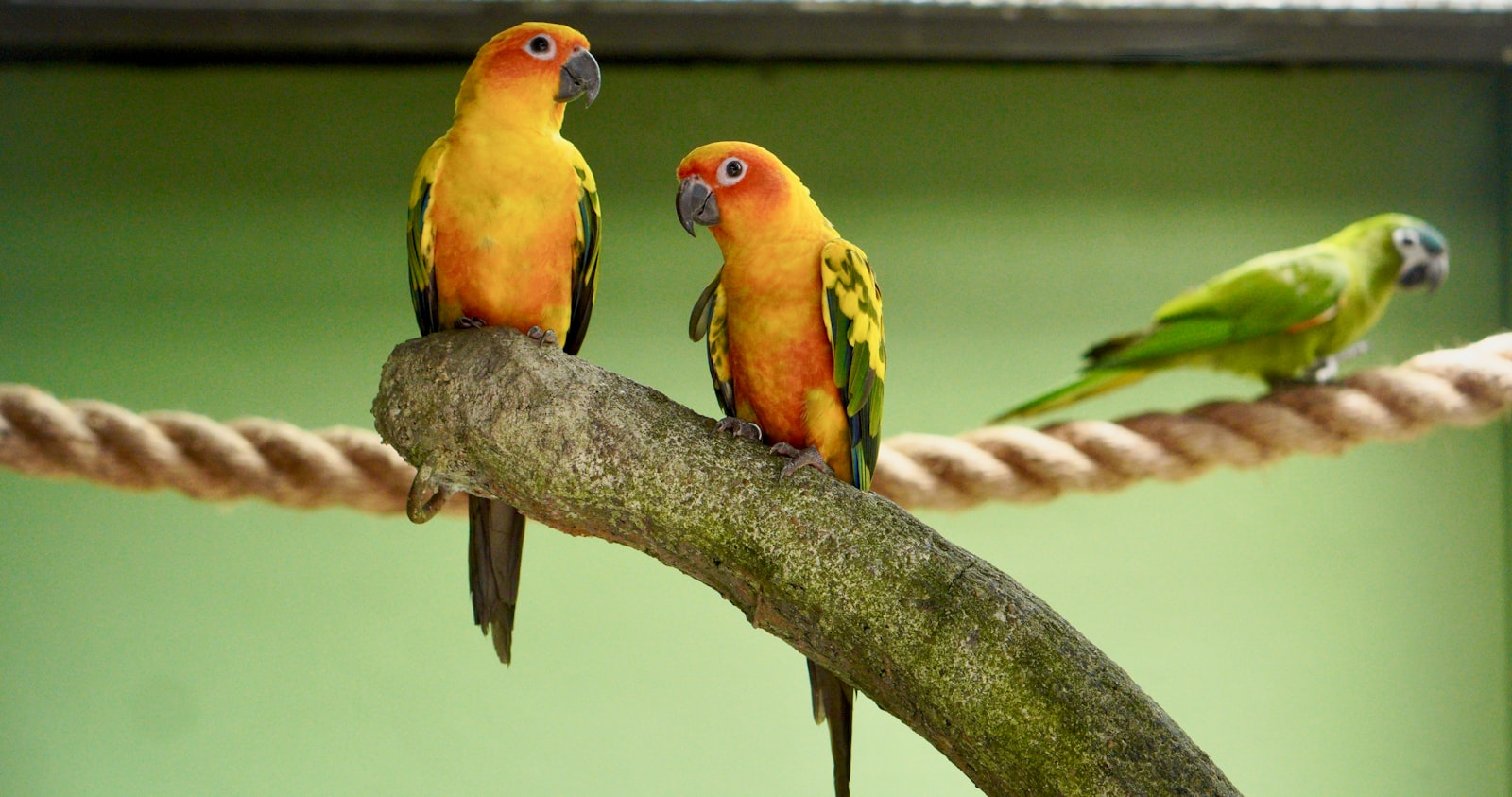
Birds can be some of the most rewarding companions you will ever share a home with. They are bright, curious, social and, in the case of many parrots, capable of bonding with you for decades. But keeping pet birds in Singapore is not the same as keeping a fish or a hamster. Birds are intelligent flock animals with real emotional and physical needs, and they live in flats where walls are thin and neighbours are close. This guide walks you through the responsibilities before you bring one home, from what you can legally keep to how to house, feed and live alongside a feathered companion in a way that keeps everyone, including your neighbours, happy.
Start With What Is Legal and Ethical
Before you fall in love with a particular bird, find out whether you can actually keep it. Not every species sold or advertised is legal to own here. Some birds are protected or restricted, and the rules can change, so the responsible first step is to check the current position with the Animal & Veterinary Service (AVS) under NParks before you commit to anything. AVS oversees the Animals and Birds Act, wildlife protection and the trade in animals, and they are the authority on what may be kept and under what conditions.
Two rules matter above all:
- Never buy wild-caught or illegally trapped birds. The trade in wild birds is cruel, it drives species toward extinction, and it is against the law. A bird that was netted from a forest is stressed, often sick, and has lost a life it was built for. If a price seems too good or a seller is vague about where a bird came from, walk away.
- Only keep species that are legal and captive-bred. Buying from a responsible, licensed source that breeds birds in captivity means your bird was raised for companionship and is not draining a wild population.
If you ever see wild birds being trapped or sold illegally, you can report it to AVS or ACRES. Choosing your first bird ethically sets the tone for everything that follows.
Housing, Cage Size and Out-of-Cage Time
The single most common mistake new owners make is buying a cage that is far too small. A cage is not a display case, it is where your bird spends most of its life, and it should let the bird fully stretch and flap its wings, climb, and move between perches without its tail brushing the bars. As a rule, bigger is always better, and width matters more than height because birds fly across, not straight up.
Inside the cage, give your bird perches of different diameters and natural materials to keep its feet healthy, plus foraging toys, chewables and things to shred. Position the cage against a wall for a sense of security, out of direct sun and away from the kitchen, since fumes from non-stick cookware and aerosols can be fatal to birds.
Just as important is time outside the cage. Birds are active animals that need daily out-of-cage time in a safely enclosed, bird-proofed room to stretch, explore and interact with you. No cage, however large, replaces the physical and mental exercise a bird gets from free movement and your company.
Feeding Beyond a Bowl of Seeds
An all-seed diet is one of the biggest causes of illness in pet birds. Seeds are high in fat and low in many nutrients, and a bird left to pick only its favourites will slowly become malnourished. A healthier approach usually combines a good-quality formulated pellet as the base with a generous variety of fresh vegetables and some fruit, plus limited seeds as a treat rather than a staple.
A few general pointers:
- Offer plenty of fresh, bird-safe vegetables and leafy greens daily.
- Keep clean water available at all times and change it often in our heat.
- Learn the foods that are toxic to birds, including avocado, chocolate, caffeine, alcohol and anything salty or heavily processed, and keep them well away.
Because nutritional needs vary a lot between species, ask an avian vet what a balanced diet looks like for your particular bird rather than guessing. This is general information and not veterinary advice.
Social Needs, Noise and Your HDB Neighbours
Birds are flock animals. In the wild they are almost never alone, and in your home you or another bird become their flock. A companion bird that is ignored can develop real distress, showing up as feather plucking, screaming or repetitive behaviour. Daily interaction, talking, training and gentle handling are not extras, they are part of basic care.
That social nature comes with volume. Many birds are naturally loud, especially at dawn and dusk when they call to their flock, and in an HDB flat that sound carries. This is worth thinking through honestly before you buy, because noise complaints and unhappy neighbours are a common reason birds get rehomed. Smaller, quieter species suit flat living far better than large parrots with piercing calls. Being a considerate neighbour, covering the cage for an early night and choosing a species that matches your home is part of responsible ownership.
Matching the Bird to Your Life
Different birds ask for very different levels of care, tolerance for noise and long-term commitment. The table below is a general guide to help you think it through, not a substitute for researching the specific species and checking its legal status with AVS.
| Bird type | Care level | Typical noise | Commitment |
|---|---|---|---|
| Budgerigar | Moderate, social, needs daily interaction | Low to moderate chatter | Around 5 to 10 years |
| Cockatiel | Moderate, enjoys handling and whistling | Moderate, males vocal | Often 15 to 20 years |
| Finches or canaries | Lower handling, kept in pairs or groups | Low, pleasant song | Several years |
| Larger parrots | High, demanding, very intelligent | Loud, can be very loud | Decades, often a lifetime pledge |
The last row deserves special attention. Large parrots can live for many decades, sometimes rivalling a human lifetime, which means taking one on is a promise that may outlast jobs, moves and relationships. Many parrots are rehomed repeatedly because owners underestimated the noise, mess and sheer time they demand. If a parrot is your dream, plan for who will care for it if you no longer can.
Health and Finding an Avian Vet
Birds are experts at hiding illness, an instinct that kept them safe from predators in the wild but makes problems easy to miss at home. By the time a bird looks obviously sick, it is often seriously unwell, so knowing the red flags matters. Signs that need prompt attention from a vet include a fluffed-up bird sitting at the bottom of the cage, laboured or tail-bobbing breathing, discharge from the eyes or nostrils, a sudden drop in appetite, changes in droppings, or any injury or bleeding.
Not every clinic treats birds, so find an avian or exotics vet before you have an emergency, and take a new bird for a check-up soon after you get it. Regular check-ups help catch problems early. Again, this is general information, not veterinary advice, so consult a licensed avian vet for your own bird’s care.
Keeping a bird well is a real commitment of time, money and attention, but done thoughtfully it brings years of company, character and song into a Singapore home.
Explore More
If a bird is on your shortlist, line up care before you commit: read our guide on choosing a vet in Singapore so you have an avian or exotics clinic ready, and make sure your chosen species is above board by reviewing exotic pets and the law in Singapore. When in doubt about any species, always check the current rules with AVS before bringing a bird home.