
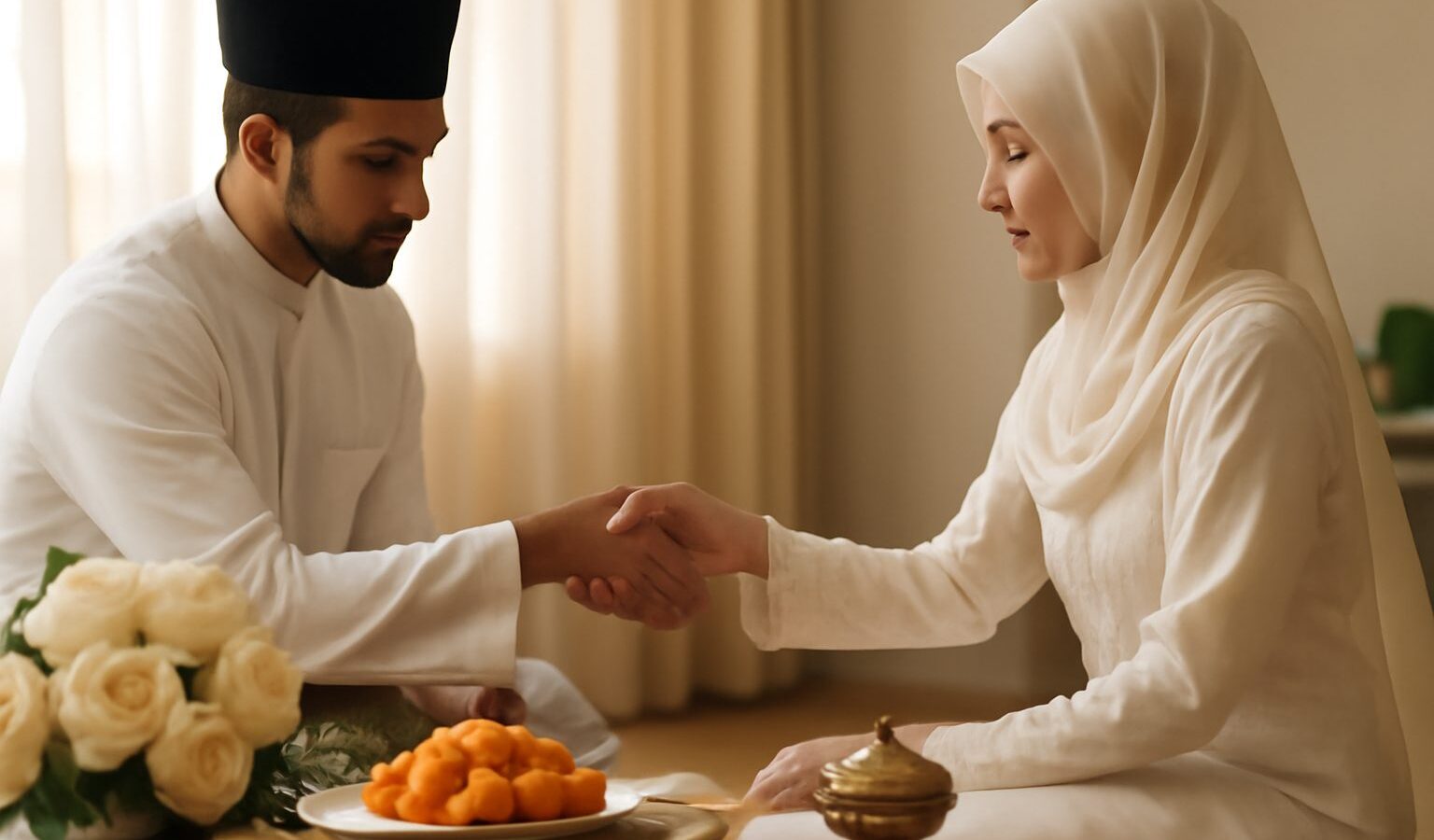
A Muslim wedding in Singapore brings together faith, family and heritage in a way that is both deeply meaningful and warmly celebratory. For Muslim couples here, marriage is not only a personal commitment but a religious and legal one, solemnised according to Muslim law and registered through a dedicated authority. This guide offers a respectful, general overview of how a muslim wedding singapore couples plan tends to unfold, from registration to the akad nikah to the customs that surround it. Practices vary from family to family and community to community, so treat this as an introduction rather than a rulebook, and always confirm the specifics with the relevant authority and with your own religious guidance.
One important note throughout: the requirements for a Muslim marriage in Singapore are set by the Registry of Muslim Marriages (ROMM), and details such as eligibility, documents, courses, notice and fees can change. Verify the current requirements directly with ROMM rather than relying on general descriptions, including this one.
How a Muslim Marriage Is Registered
In Singapore, marriages of Muslims are registered under Muslim law through the Registry of Muslim Marriages, commonly known as ROMM, which operates within the framework of the Administration of Muslim Law. This is distinct from the civil Registry of Marriages (ROM) that handles marriages under civil law, and it exists so that Muslim couples can marry in a way that is recognised both religiously and legally.
The registration process typically involves the couple meeting the eligibility requirements, submitting the necessary documents, and completing any preparation the registry asks for, which in many cases includes an approved marriage preparation programme. Because ROMM sets and periodically updates these requirements, the safest approach is to check its current guidance early in your planning so you know what applies to your situation. Couples who want to understand how this sits alongside the civil system may also find our overview of how to register your marriage in Singapore a helpful point of comparison.
The Akad Nikah and the Role of the Kadi
At the heart of a Muslim wedding is the akad nikah, the solemnisation ceremony that formally establishes the marriage. It is a solemn and often emotional moment, usually held at a mosque, a home, or a wedding venue, and attended by family and close guests.
The ceremony is conducted or overseen by a kadi, or a naib kadi acting on the kadi’s behalf, who is authorised to solemnise Muslim marriages. During the akad nikah, the groom is required to accept the marriage in a clear declaration, and the marriage is contracted in the presence of witnesses in accordance with Muslim law. The bride’s consent is essential, and a wali, typically the bride’s father or an appropriate guardian, has a recognised role in the marriage. The kadi guides the parties through the process, ensures the requirements are met, and the marriage is then registered.
For many couples and their families, the akad nikah is the true wedding, the point at which they become husband and wife in the eyes of their faith and the law. Celebrations may follow, but this is the anchor.
The Mahar or Mas Kahwin
A well-known element of a Muslim marriage is the mahar, also referred to as the mas kahwin. This is a gift or payment given by the groom to the bride as part of the marriage, and it belongs to the bride herself. It is not a fee paid to a family or an authority; it is a right of the bride and a meaningful symbol of the groom’s commitment and responsibility.
The mahar can take different forms and its value varies widely depending on family, custom and mutual agreement. What matters is that it is given sincerely and that both parties are clear on it before the akad nikah. Some families keep it modest and symbolic, others more substantial, and there is no single correct amount. As with everything here, the specifics are best settled respectfully between the families and confirmed against ROMM’s requirements where relevant.
Common Malay-Muslim Customs
Many Muslim weddings in Singapore are also Malay weddings, and the two carry a rich set of customs that surround the religious ceremony. These traditions are cultural as much as religious, and they vary by family, region of heritage and personal preference, so couples pick and adapt what feels right for them. Some of the commonly seen customs include the following.
- Merisik and betrothal. An early stage where the families meet, get to know each other, and discuss the marriage, sometimes leading to a formal engagement.
- Hantaran. An exchange of gifts between the two families, often beautifully arranged on trays, symbolising goodwill and the joining of two households.
- Berinai. A henna application for the bride, and sometimes the groom, marking the celebration in the days around the wedding.
- Bersanding. The bride and groom sit together on a decorated dais as the king and queen of the day, receiving guests and blessings, often the centrepiece of the reception.
- Kompang and bunga manggar. Traditional drumming and decorative palm-blossom standards that accompany the couple’s procession.
- Kenduri. A communal feast where family, neighbours and friends gather to eat, celebrate and offer their blessings.
None of these is compulsory in a religious sense, and observance ranges from elaborate multi-day celebrations to simple, intimate gatherings. Our guide to Malay wedding customs in Singapore explores these traditions in more detail for couples who want to plan them thoughtfully.
Muslim Wedding Elements at a Glance
The table below summarises some of the key elements described above. Treat it as a quick reference, keeping in mind that meanings and practices differ across families.
| Element | What it is |
|---|---|
| ROMM | The Registry of Muslim Marriages, which registers marriages of Muslims under Muslim law |
| Akad nikah | The solemnisation ceremony that formally establishes the marriage |
| Kadi or naib kadi | The authorised person who conducts and oversees the solemnisation |
| Wali | The bride’s guardian, typically her father, who has a recognised role in the marriage |
| Mahar or mas kahwin | A gift or payment from the groom that belongs to the bride |
| Bersanding | The reception custom where the couple sit together on a decorated dais |
Planning With Respect and Confidence
A Muslim wedding weaves together a legal registration, a religious solemnisation, and a body of cultural custom, and each family brings its own emphasis to that blend. Some couples hold a grand celebration spanning several days, while others keep things quiet and centred on the akad nikah. Both are valid, and neither is more of a marriage than the other.
As you plan, lean on people who can guide you accurately: ROMM for the official requirements, the kadi or your mosque for the religious side, and elders in your family for the customs they hold dear. Because requirements are set by ROMM and can change, and because customs vary so much between families, the wisest step is always to ask and confirm rather than assume. Do that, and you can move through the process with both respect and confidence, arriving at a wedding that honours your faith, your heritage, and each other.
Explore more
To go deeper on the traditions, read Malay wedding customs in Singapore, which unpacks the ceremonies that often surround a Muslim wedding. And to see how registration works across Singapore’s two systems, our guide on how to register your marriage in Singapore gives helpful context alongside the ROMM route described here.