
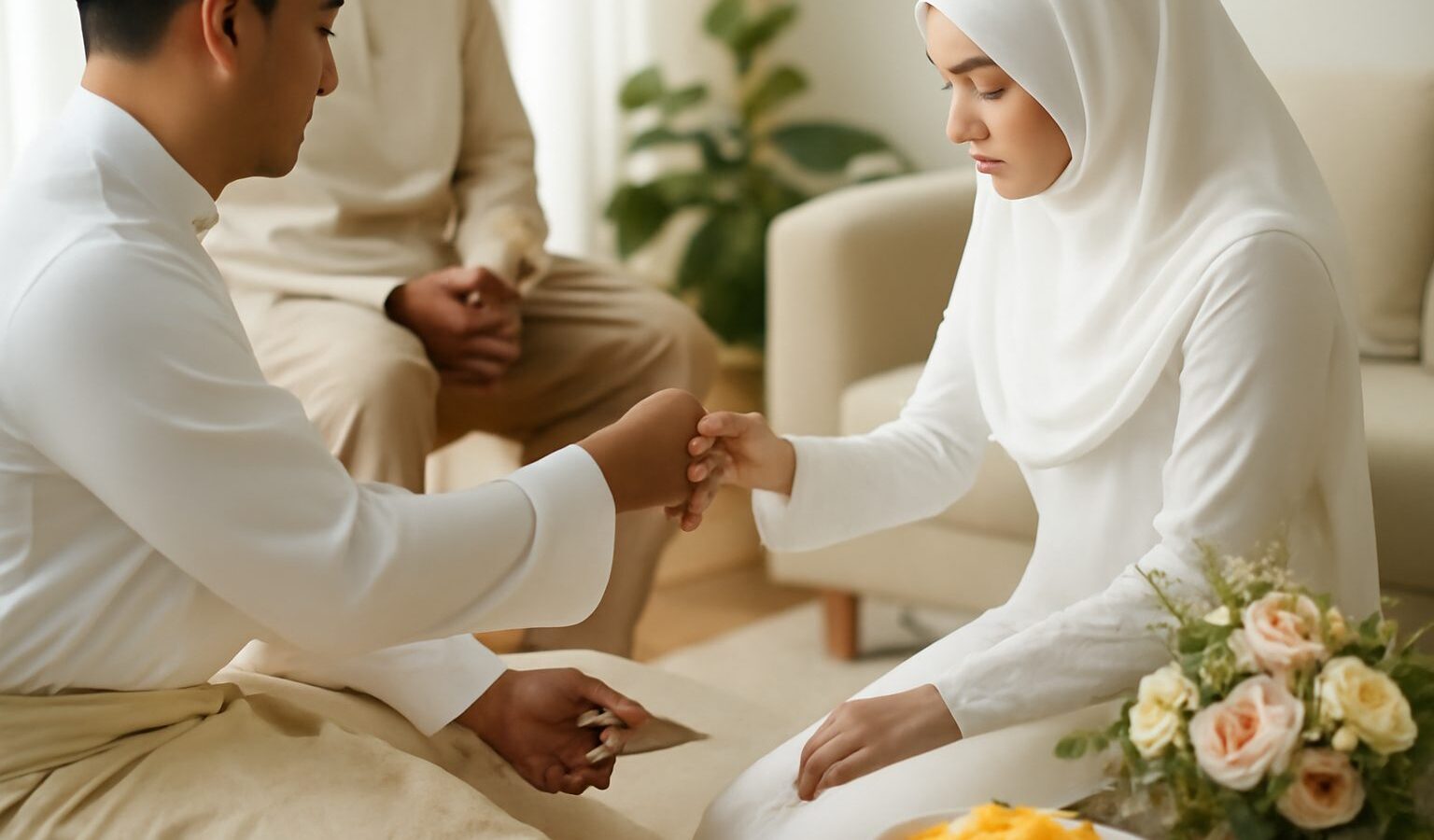
For Muslim couples, the heart of a wedding is the nikah, the Islamic marriage contract that makes the union valid. In Singapore, a nikah ceremony carries both deep religious meaning and a clear legal framework, overseen for Muslim marriages by the Registry of Muslim Marriages, widely known as ROMM. This guide offers a respectful, general introduction for readers who are curious, newly engaged, or attending a solemnisation for the first time. The word nikah comes from Arabic and refers to the marriage contract itself, and the solemnisation is often called the akad nikah.
An important note at the outset: this is general information written as a welcomed guest to the tradition, not religious or legal guidance. For anything to do with religious requirements or the validity of a marriage, always defer to ROMM and to a qualified Islamic religious authority, such as an asatizah or the officiant conducting the ceremony.
What the Nikah Is and What It Means
In Islam, marriage is regarded as a sacred contract and a form of worship, joining two people in a committed, loving partnership with rights and responsibilities on both sides. The nikah is the moment that contract is made and witnessed.
Several ideas sit at its centre:
- A solemn contract, not only a celebration. The nikah establishes the marriage in the sight of God and the community, with mutual consent at its core.
- Consent freely given. The agreement of both the bride and the groom is essential; a marriage should never be forced.
- Blessing and intention. The ceremony is framed by prayer, gratitude and the couple’s sincere intention to build a righteous, caring home.
Because interpretations and practices differ across communities and schools of thought, the respectful approach is to understand the shared essentials while leaving questions of doctrine to religious authorities.
Who Takes Part and What Usually Happens
A nikah brings together a small but significant cast, and while customs vary, some elements are widely present. Because religious requirements are involved, the details below are descriptive, and anything binding should be confirmed with ROMM or the officiant.
Key roles often include:
- The officiant. In Singapore, a Muslim marriage is solemnised by an authorised person, such as a Kadi or Naib Kadi appointed in connection with ROMM.
- The wali. The bride’s guardian, usually her father or another eligible male relative, who represents and gives her in marriage; where a wali is unavailable, ROMM has its own procedures.
- The witnesses. Witnesses are required for the contract to be valid.
- The couple. The bride and groom, each consenting to the marriage.
A common sequence looks like this:
- Opening with prayer. The ceremony typically begins with recitation and a short sermon, or khutbah nikah, reminding the couple of their responsibilities.
- Agreeing the mahar. The mahar, an Arabic term for the obligatory marriage gift from the groom to the bride, is declared. It belongs to the bride and can be modest or substantial as agreed.
- The offer and acceptance. The core of the nikah, in which the marriage is offered and the groom accepts, clearly and before witnesses. This exchange, the ijab and kabul, is what seals the contract.
- Confirmation and blessings. The officiant and those present offer prayers and congratulations for a blessed union.
- Signing and registration. The marriage is recorded with ROMM, giving it legal effect in Singapore.
Details such as attire, venue, readings and the scale of celebration vary widely, and many couples hold a separate reception, sometimes called a walimah, to share the joy with a wider circle.
How the Nikah Varies Between Families
Muslims in Singapore come from many cultural backgrounds, including Malay, Indian, Arab and convert communities, so a nikah can look quite different from one family to the next while remaining valid. The table below sketches a few areas of variation. It describes cultural practice, not religious rulings, which belong with ROMM and religious authorities.
| Element | Commonly seen variation | Notes |
|---|---|---|
| Venue | Mosque, home, or a hall or hotel | Chosen for space, cost and preference |
| Language | Arabic for the contract, with local languages around it | The essential formula follows religious requirement |
| Cultural additions | Malay adat customs, or practices from other backgrounds | These accompany, rather than replace, the nikah |
| The mahar | From a symbolic amount to something larger | Agreed between the parties; belongs to the bride |
| Dress and decor | Traditional or contemporary styles | Reflects family taste and culture |
Malay weddings in Singapore, for instance, often surround the nikah with adat customs such as the bersanding, a sitting-in-state of the couple, while families of other backgrounds bring their own traditions. These cultural layers are welcomed additions around the same essential contract.
How Guests and Couples Take Part Respectfully
If you are attending a nikah as a guest, especially from outside the faith, a little care goes a long way, and hosts generally appreciate genuine interest.
Some gentle pointers:
- Dress modestly. Cover shoulders and knees; many guests dress smartly and conservatively. When in doubt, ask your hosts.
- Follow the room. Observe when to sit, stand or stay quiet, and take cues from those around you.
- Ask before photographing. Some moments are solemn, so check with the family or officiant first.
- Respect religious space. If the ceremony is in a mosque, follow its etiquette, including removing shoes where required.
- Offer warm, simple congratulations. A sincere good wish is always welcome.
For couples preparing their own nikah, the essential step is to engage ROMM early for the registration requirements and to work with your officiant and families on the religious and cultural details. Do not rely on informal accounts, including this one, for anything binding; the Registry of Muslim Marriages and a qualified religious authority are the proper sources.
If you are exploring how Singapore’s many communities marry, you may also enjoy our guides to dialect wedding customs in Singapore and to preparing a bridal trousseau in Singapore, which touch on traditions across cultures.
Understood with respect, the nikah ceremony is a moving expression of faith, family and commitment, a contract of love witnessed before God and community, and the beginning of a shared life.
Explore more: dialect wedding customs in Singapore and preparing a bridal trousseau in Singapore.