
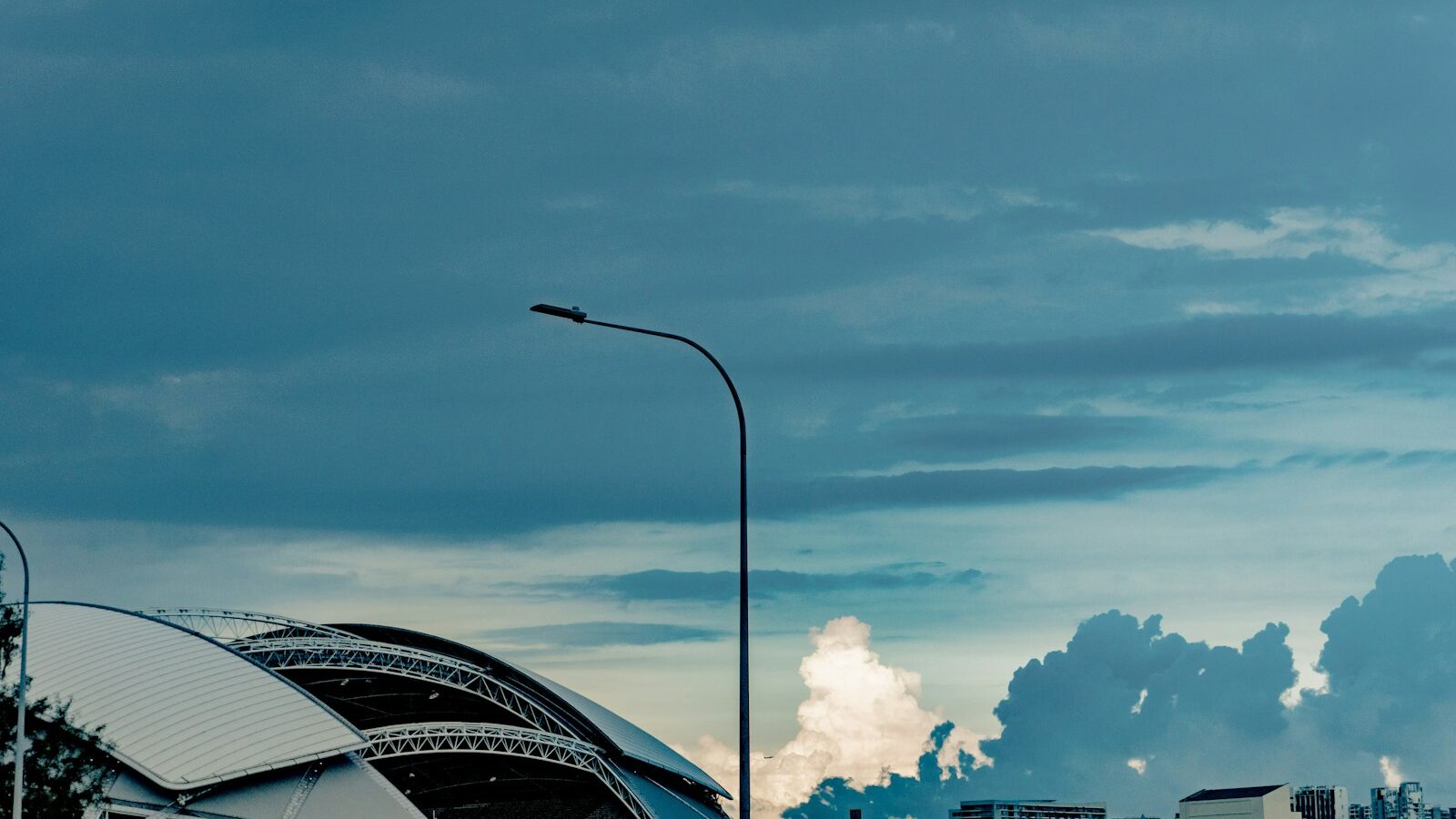
National Stadium heritage is written into the ground at Kallang, a stretch of eastern Singapore that has been the beating heart of the country’s sporting life for generations. For many Singaporeans, the words National Stadium summon memories of roaring crowds, national football matches and grand ceremonies, first at the beloved old stadium and now at the modern arena that stands in its place. To walk through Kallang today is to move through layers of sporting memory, and understanding that story deepens any visit.
History and Significance
Kallang’s association with sport and public gathering is long standing, and the area has hosted more than one landmark venue over the decades. The old National Stadium became a cherished national institution, the stage for football finals, National Day celebrations and countless events that brought Singaporeans together. When it was eventually replaced, the emotion around its closing showed just how much the structure meant to the public, not for its architecture alone but for the memories it held.
The old stadium gave the nation one of its most enduring pieces of sporting folklore, the Kallang Roar, the name given to the thunderous noise of home crowds urging on the national team. That phrase has outlived the original building and passed into the language of Singapore sport as shorthand for collective passion. For precise dates of construction, closure and the opening of later venues, the relevant sporting authorities and heritage sources are the ones to consult, and readers should verify any specific figures there rather than trust rounded estimates.
The Old and the New
The site’s story is really the story of two eras, the much loved older stadium and the modern Singapore Sports Hub that now occupies the wider Kallang precinct. The newer development brought a large domed stadium and an integrated cluster of sporting and community facilities, continuing Kallang’s role as the country’s premier venue for major events while offering everyday spaces for recreation.
The table below sets out the broad contrast between the eras. It is a general guide, and official sources remain the authority on current facilities and event schedules.
| Aspect | Old National Stadium era | Sports Hub era |
|---|---|---|
| Character | Beloved open-air landmark | Modern integrated precinct |
| Signature memory | The Kallang Roar | Continuing major events and community use |
| Scope | Chiefly the stadium and its events | A cluster of sporting and public facilities |
| Public use | Major events and national occasions | Events plus everyday recreation |
| Emotional weight | Deep nostalgia for a generation | New memories still being made |
For current event listings, opening hours, ticketing and facility access at the present-day venue, always check official channels, as these change constantly.
What to See
A visit to Kallang today centres on the modern Sports Hub precinct and the wider riverside and bay setting around it. The area is designed for both major events and daily use, so on any given day you may find people exercising, families out walking, or crowds gathering for a match or concert. The scale of the domed stadium is striking in its own right.
Just as rewarding is the sense of place. Kallang sits where the river meets the bay, and the surroundings carry their own heritage as one of the older developed districts of Singapore. Taking time to appreciate the setting, rather than only the buildings, connects the sporting story to the geography that shaped it.
Heritage Value
The heritage value of the National Stadium and Kallang is chiefly intangible, carried in shared memory rather than in a single preserved structure. The Kallang Roar, the National Day ceremonies, the football nights that united strangers, these live in the recollections of a generation and in the identity of Singapore sport. That is a reminder that heritage is not only about old walls but about what a place has meant to the people who gathered there.
At the same time, the continuity of Kallang as the nation’s sporting home carries its own significance. By keeping the country’s premier venue in the same district across eras, Singapore has preserved a thread of place even while rebuilding the fabric. New memories forming at the modern venue are, in a sense, the latest chapter of a much older Kallang story.
There is also a lesson here about how a nation looks after its intangible heritage. When the old stadium made way for the new, there was widespread feeling that something meaningful was being lost, and that response was itself a form of heritage in action, a public acknowledgement that a mere venue had become part of the national story. Efforts to remember the old ground, to carry its name and spirit forward, and to keep the district devoted to sport, all reflect a wish to honour that emotion rather than dismiss it. For younger Singaporeans who never sat in the old stands, the stories passed down about the Kallang Roar keep the memory alive and connect them to a shared past.
Visiting Notes
If you plan to visit or attend an event:
- Check official channels for event dates, ticketing, opening hours and access before you go.
- Plan public transport in advance, as the precinct is busy on major event days.
- Dress for warm weather and bring water, especially if you intend to walk the wider area.
- Follow venue rules on bags, entry and conduct, which are strictly applied at large events.
- Consider visiting on both an event day and a quiet day to appreciate the two sides of the precinct.
A Closing Thought
The National Stadium and the wider Kallang district hold a rare place in Singapore’s heart, a home of sport where the loudest cheers and the proudest ceremonies have unfolded across generations. The buildings have changed, but the meaning of the ground endures, from the old stadium and its famous roar to the modern precinct still gathering crowds. Visit with an ear for the memories the place carries, and confirm the practical details through official sources before you set out.
Explore more: National Monuments of Singapore · Civic District History of Singapore