
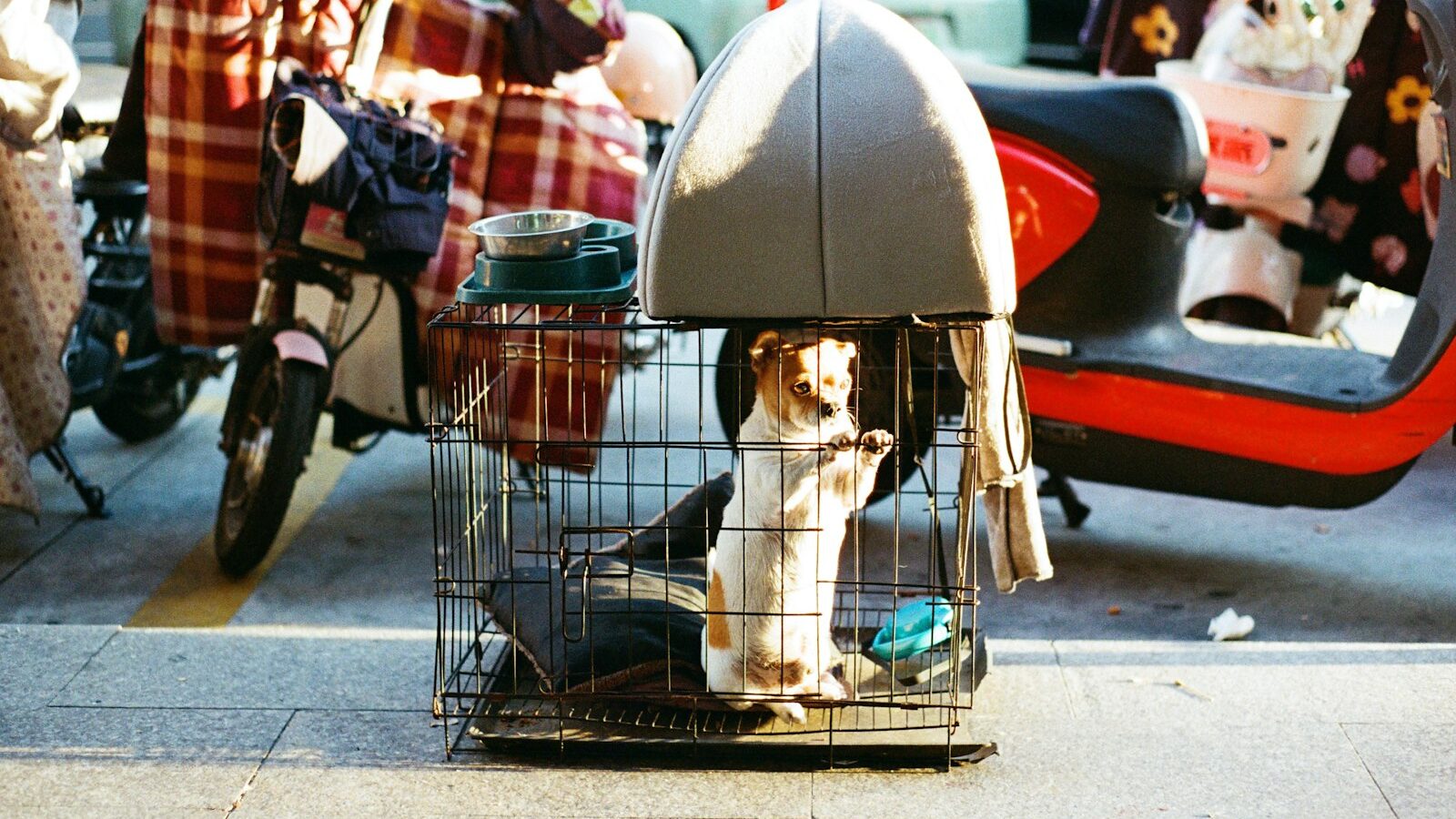
Bringing a cat or dog with you is one of the more emotional parts of moving, and pet relocation from China to Singapore rewards families who plan far ahead. Singapore protects its rabies-free status strictly, so animals arriving from mainland China follow the most thorough import track, with a blood test, an import licence, and a period of quarantine on arrival. None of this is difficult, but it is time-bound: miss a step or a waiting period and your pet may not be allowed to travel on schedule. This guide explains how the process works and where to confirm the current rules.
Why China Sits in the Strictest Import Category
Singapore’s Animal and Veterinary Service (AVS), part of the National Parks Board (NParks), sorts countries into categories based on rabies risk. Mainland China falls into the highest-requirement category. In plain terms, that means your pet must complete a full set of health steps before departure and then serve a mandatory quarantine at the government animal facility after landing.
This is not a reflection on your individual pet. It is a public-health rule that applies to all animals coming from higher-risk countries, and it is the reason the timeline is measured in months, not weeks. Accept that from the start and the rest becomes a checklist.
The Core Requirements, Step by Step
The exact sequence and waiting periods are set by AVS and must be followed in order. At a high level, relocating a dog or cat from China typically involves:
- Microchip. Your pet is implanted with an ISO-standard microchip so every record and test can be tied to that animal.
- Rabies vaccination. A valid rabies vaccination using a vaccine acceptable to AVS, given after the microchip.
- Rabies antibody blood test (RNATT). A blood sample is taken after vaccination and sent to an approved laboratory to confirm immunity. There is a required waiting period after this test before your pet can enter.
- Import licence. You apply for an AVS import licence for the animal. This is done online through the government business licensing portal, and you should not book flights until you understand the timing.
- Quarantine booking. Space at the Animal Quarantine Centre is limited, so you reserve a slot as part of the process.
- Veterinary health certification. A licensed vet in China certifies your pet’s health and treatments close to travel, with documentation that AVS will check on arrival.
- Arrival and quarantine. Your pet enters as manifested cargo in most cases, clears inspection, and serves the required quarantine before coming home to you.
Because waiting periods stack on top of one another, the RNATT test in particular can push your earliest travel date out by a significant margin. Work backwards from when you need the pet to arrive, then start even earlier.
China Departure Side: Paperwork and Forex
The Singapore side is only half the story. Leaving China with an animal involves its own health certification and export clearance, and requirements can differ by city and by the airline you use. Some carriers restrict certain breeds or only accept pets as cargo, not in the cabin, on long-haul routes. Confirm the animal export rules and documentation with the relevant Chinese authorities and your vet in China, and check the airline’s live-animal policy in writing before you buy tickets.
If you engage a professional pet relocation agent, factor their fee into your budget, along with the vaccination, laboratory test, flight, and quarantine costs. These are real and can add up, so ask for an itemised quote rather than a single lump sum.
China to Singapore: What Changes for Your Pet
| Aspect | In China | In Singapore |
|---|---|---|
| Governing body | Local animal and export authorities | NParks / AVS |
| Rabies status | Rabies is present | Rabies-free, tightly protected |
| Before travel | Export health certification and clearance | Microchip, vaccination, RNATT, import licence |
| On arrival | Not applicable | Inspection plus mandatory quarantine |
| Licensing your pet | Local registration as required | Dog licence required; responsible ownership expected |
Two practical reminders once your pet is home. First, dogs must be licensed with AVS, and there are rules on how many pets are allowed in HDB flats and on approved breeds, so check that your home and pet qualify before you move. Second, help your pet settle: a new climate, a smaller home, and different smells all take adjustment, much as they do for the humans in the family.
Give Yourself Enough Runway
The single biggest mistake is starting late. Because the vaccination, the blood test, the mandatory waiting period, the licence, and the quarantine slot must line up, families who begin only a month or two before moving often find they cannot bring the pet on the same flight as themselves. Build a generous buffer, keep every certificate and lab report together, and confirm each step is valid and unexpired before you rely on it.
A Note on Accuracy and Advice
Import categories, accepted vaccines, test rules, quarantine length, and fees are set by AVS and can change, and China’s export rules vary by city and can change too. This article is general information, not veterinary, legal, or personalised advice. Verify the current requirements directly with NParks / AVS on the Singapore side, and confirm export procedures with the relevant Chinese authorities or the Chinese Embassy or Consulate in Singapore before you commit to dates or book travel.
Explore More
A pet is one piece of a larger move, so pair this with utilities and home setup for newcomers in Singapore to get the home ready before your pet arrives. For the wider settling-in journey and the practical rhythm of the first months, see settling in Singapore, a guide for newcomers from China, and if extended family are moving with you, read bringing grandparents for childcare in Singapore.