
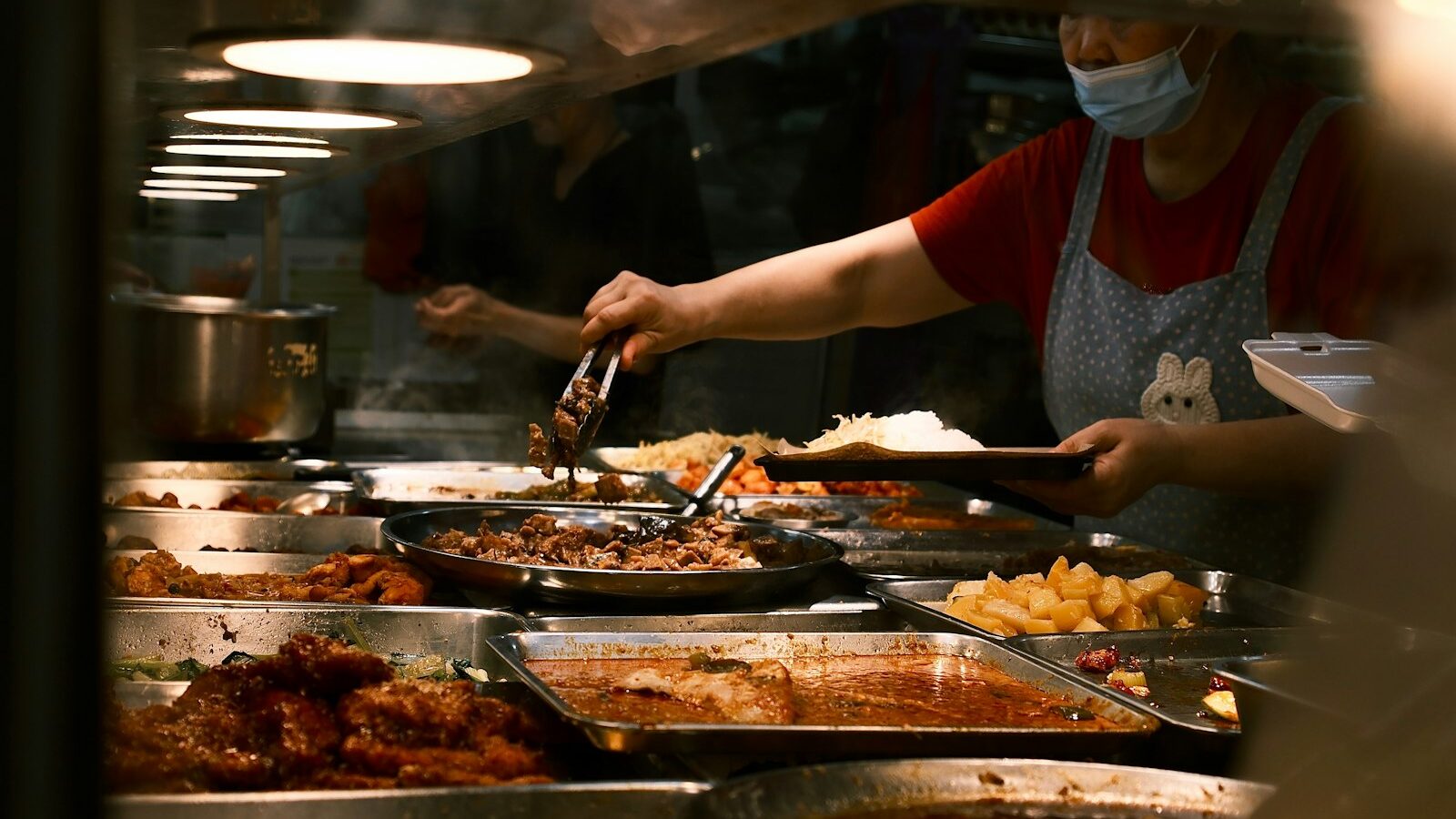
Rich, robust and built for sharing, Pakistani cooking is one of South Asia’s great comfort cuisines. Pakistani food singapore brings slow simmered stews, charcoal grilled kebabs, fragrant rice and clouds of freshly baked naan to a city that already loves a good curry. While it shares much with North Indian cooking, Pakistani food has a character of its own, leaning meatier, often milder in chilli but bigger in body, with an emphasis on wheat breads, generous use of ghee and a deep respect for the low and slow art of the simmering pot.
This guide sets out what defines Pakistani cuisine, introduces the signature dishes you will want to order, covers the halal considerations that matter to many diners, and describes where these flavours typically turn up in Singapore. The dining scene here evolves, so use this as a flavour led introduction and check current listings for specific eateries.
What Defines Pakistani Cuisine
Pakistani food is anchored in meat, wheat and warming spice. Where much of South India builds meals around rice and coconut, Pakistani cooking centres on wheat breads such as naan, roti and paratha, torn and used to scoop up thick, deeply flavoured gravies. Lamb, mutton, beef and chicken take pride of place, and the cooking coaxes tenderness and depth out of them through long braising and careful spicing.
The spice palette favours warmth and aroma over sheer heat. Cumin, coriander, cardamom, cloves, cinnamon, black pepper and garam masala do much of the work, layered to build complexity rather than to burn. Ginger and garlic form the base of countless dishes, and browned onions lend sweetness and colour. Dairy plays a supporting role too, with yoghurt in marinades and gravies and ghee adding richness.
Cooking methods give the food its soul. The karahi, a wok like pan, produces quick, intense stir fried curries. The tandoor turns out blistered naan and smoky grilled meats. And the slow pot, left to simmer for hours, produces the legendary stews that Pakistani cuisine is famous for. It is generous, hearty food designed to be shared around a table.
Signature Dishes To Order
Start with nihari if you can, the celebrated slow cooked beef or mutton stew simmered for hours with bone marrow and warming spices until the meat surrenders into a glossy, deeply savoury gravy. Traditionally a breakfast dish, it is rich, restorative and best mopped up with naan, often finished with fresh ginger, green chilli and a squeeze of lemon.
Biryani is the celebratory centrepiece, layers of long grain basmati rice and spiced meat cooked together so the grains soak up the aromatics. Pakistani biryani tends to be robustly spiced and fragrant, a dish that turns a meal into an occasion. Karahi is the quick fire favourite, chicken or mutton cooked in a karahi with tomatoes, ginger, green chilli and spice into a thick, punchy curry that arrives bubbling.
From the grill come the kebabs. Seekh kebab is minced meat, usually beef or mutton, blended with onion, herbs and spice, moulded onto skewers and charred over coals until smoky and juicy. Alongside sit chicken tikka, boti kebab and other tandoori delights. And underpinning it all is naan, pulled fresh and hot from the tandoor, soft within and blistered without, the essential partner to every gravy on the table.
| Dish | What it is | Flavour note | Good for |
|---|---|---|---|
| Nihari | Slow cooked beef or mutton stew | Rich, spiced, unctuous | A hearty, indulgent meal |
| Biryani | Layered spiced rice with meat | Fragrant and robust | Sharing and celebrations |
| Karahi | Wok cooked tomato and chilli curry | Punchy and fresh | Fans of a lively curry |
| Seekh kebab | Charcoal grilled minced meat skewers | Smoky and juicy | Grill lovers and starters |
| Naan | Tandoor baked leavened flatbread | Soft, chewy, smoky | Scooping up every gravy |
A note on allergens. Dairy features heavily in marinades and gravies, and nuts sometimes appear in richer dishes and desserts, so anyone with these allergies should ask about specific preparations before ordering.
Halal Notes and Where To Find It
Pakistani cuisine is very largely halal, reflecting the culinary traditions it comes from, and many Pakistani eateries cater specifically to Muslim diners. That said, halal status ultimately depends on the individual establishment, so if certification matters to you it is always best to look for a halal certificate or ask staff directly rather than assuming. Do not take it for granted at every venue, particularly at mixed cuisine restaurants.
In Singapore, Pakistani food typically surfaces in a few settings. You will find it at South Asian and Indian-Muslim restaurants where Pakistani dishes sit alongside North Indian ones, at specialist eateries in areas with established South Asian communities, and at halal restaurants that specialise in tandoori grills, biryani and rich meat curries. Districts with a strong South Asian presence and dining precincts known for subcontinental food are the natural places to begin your search.
Because eateries come and go and menus are updated, it is wise to check current listings, opening hours and, importantly, halal certification before heading out. If you cannot find a dedicated Pakistani kitchen, many North Indian and Indian-Muslim restaurants prepare overlapping dishes such as biryani, karahi and tandoori kebabs that will scratch the same itch.
If you want a taste of Pakistani flavours at home, some of the essentials are easy to source. Good basmati rice, whole spices and ready made spice blends are widely available, and a simple chicken karahi built on tomatoes, ginger, green chilli and garam masala comes together in under an hour. A slow cooked nihari is more of a weekend project, but the reward is a stew with real depth.
To eat Pakistani food well, come hungry and order to share. Get a nihari or a biryani for the table, add a karahi and a plate of kebabs, and keep the naan coming. Finish with a cup of milky, cardamom scented tea if it is on offer. This is warm, generous, big hearted cooking, and it is at its best surrounded by good company and plenty of bread.
Explore more
North vs South Indian Food
Biryani Guide in Singapore
Indian Breakfast Guide
Mamak and Teh Tarik Guide