
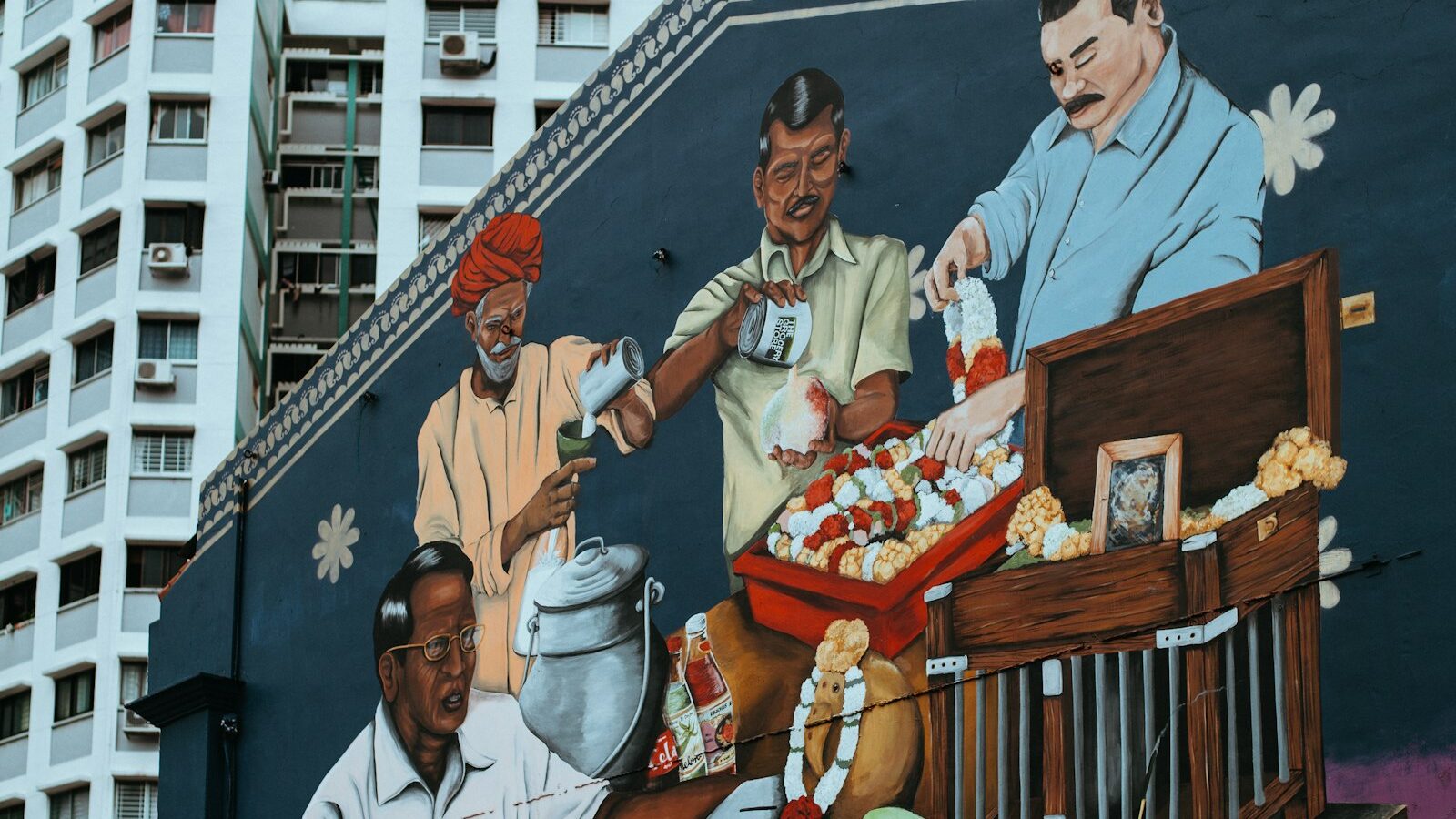
A South Indian breakfast is one of the great morning pleasures in Singapore: crisp thosai, fluffy idli and savoury vadai, served with fragrant chutneys and curries. Wholesome, flavourful and often vegetarian, it is a delicious way to start the day. This guide introduces the classic Indian breakfast dishes and how to enjoy them.
The Indian breakfast tradition
Indian, and particularly South Indian, breakfast is a well-loved part of Singapore’s diverse food scene, available at Indian eateries and coffee shops. It centres on a range of dishes made from rice and lentil batters, often fermented, which are light, nourishing and satisfying. These are typically served with accompaniments like chutneys and curries for dipping and flavour. Many of the dishes are vegetarian, making Indian breakfast a great option for those seeking meat-free meals, though it is enjoyed by everyone. It is flavourful yet not heavy, an ideal balance for the morning.
The classic dishes
- Thosai (dosa), a thin, crisp savoury crepe made from fermented rice and lentil batter, often served plain or with fillings like masala potato.
- Idli, soft, fluffy steamed rice cakes, light and gentle, perfect with chutney.
- Vadai, savoury fried lentil fritters, crisp outside and soft within.
- Appam, a bowl-shaped pancake with a soft centre and lacy, crisp edges.
- Puttu and other specialties, adding to the variety.
Each has its own texture and character, and together they offer a wonderfully varied breakfast spread.
The accompaniments
What elevates Indian breakfast is the accompaniments served alongside, which bring flavour and moisture.
| Accompaniment | What it is |
|---|---|
| Chutney | Coconut, tomato or other flavourful dips |
| Sambar | A tangy, savoury lentil and vegetable stew |
| Curry | Various curries for dipping and flavour |
| Sugar or podi | For certain dishes, adding a sweet or spiced note |
Dipping a piece of crisp thosai into coconut chutney and sambar is a classic, satisfying combination, and the interplay of the plain dishes with the flavourful sides is the essence of the meal.
How to eat it
Indian breakfast is often eaten by hand in the traditional way, tearing pieces of thosai or breaking idli and using them to scoop up chutney and curry, though cutlery is always available. Part of the enjoyment is combining the components: the crisp or soft base with the tangy, spiced, and cooling accompaniments. There is a lovely balance to a good spread, from the crunch of vadai to the softness of idli, all brought together by the sauces. Do not be shy about using your hands if you like, since many find it enhances the experience and is the authentic way.
The drink to match
No Indian breakfast is complete without the right drink, and the classic choice is teh tarik, the frothy pulled milk tea, or a strong coffee. Teh tarik in particular, with its sweet, smooth character, pairs beautifully with the savoury breakfast dishes and is part of the whole experience. Watching a skilled server pull the tea from height is a bit of morning theatre. This pairing of savoury South Indian dishes with a sweet, frothy tea is a quintessential local breakfast combination, enjoyed at Indian-Muslim eateries and coffee shops across the island.
How to enjoy it
- Order a variety, sampling thosai, idli and vadai together.
- Use the accompaniments generously, since chutney and sambar make the meal.
- Try eating by hand, for the traditional experience.
- Pair with teh tarik, the classic drink match.
- Go for the masala thosai if you want something more substantial.
Where to find it
Indian breakfast is widely available at Indian and Indian-Muslim eateries, coffee shops and dedicated restaurants across Singapore, with a particularly strong presence in areas with Indian heritage. Little India is a natural hub, but excellent options are found throughout the heartlands and city. Many places serve these dishes from early morning, and some offer them all day. A busy eatery with fresh, hot thosai coming off the griddle is a promising sign of a good breakfast spot.
The takeaway
A South Indian breakfast is a delicious, wholesome and flavourful way to start the day, built around crisp thosai, fluffy idli, savoury vadai and more, all brought to life by chutneys, sambar and curries. Largely vegetarian and never too heavy, it offers wonderful variety and balance. Order a spread, use the accompaniments generously, try eating by hand, and wash it all down with a frothy teh tarik. Whether in Little India or your neighbourhood coffee shop, Indian breakfast is one of the most satisfying and distinctive morning traditions Singapore has to offer.
Common mistakes first-timers make
Indian breakfast is welcoming and forgiving, but a few small missteps can leave newcomers feeling they have not quite got the best out of the meal. The most common is under-ordering the accompaniments. The chutneys, sambar and curry are not garnishes, they are half the meal, so if your table has run dry it is perfectly normal to ask for more, and most eateries will happily top you up at no extra charge. Another frequent slip is eating everything plain. A thosai on its own is pleasant, but the dish comes alive only when you drag it through coconut chutney and dip it into hot sambar, so mix and match rather than working through each item in isolation.
Timing catches a lot of people out too. Fermented batter dishes are at their finest fresh off the griddle or straight from the steamer, so a thosai that has been sitting loses its crispness quickly. If you can, order in stages rather than all at once, and eat the crisp items first while the idli, which holds up better, waits its turn. A few other things worth keeping in mind:
- Do not assume everything is mild. Sambar and some chutneys carry a gentle heat, and certain podi mixes are quite punchy, so ask the server if you are sensitive to spice.
- Do not overlook the plainer dishes. Idli and appam can seem unexciting next to a masala thosai, but their soft, mild character is exactly what balances the bolder sides.
- Do not rush the drink. Ordering teh tarik or coffee at the end is a missed trick, since sipping it alongside the savoury food is part of the rhythm of the meal.
- Do not be put off by a crowd. A queue at a coffee shop stall usually means fresh, fast turnover, which is exactly what you want.
Ordering for different appetites and dietary needs
One of the quiet strengths of Indian breakfast is how easily it flexes to suit the table. For a light start, a couple of idli with chutney and sambar are gentle on the stomach and naturally low in oil. For something more substantial, a masala thosai stuffed with spiced potato, or a set of thosai with an extra curry, will carry you comfortably through to lunch. When ordering for a group, the sharing style works in your favour: order a mix of thosai, idli and vadai for the middle of the table and let everyone build their own combinations, which is both sociable and a good way for first-timers to sample widely without committing to one dish.
Dietary needs are usually well catered for. A large share of South Indian breakfast is vegetarian by tradition, and many dishes are also suitable for vegans, though it is always worth checking, since ghee, butter or milk can appear in the batter, the cooking or the accompaniments. Those avoiding gluten will find that the classic rice-and-lentil dishes such as thosai, idli and appam are naturally free of wheat, but ingredients and preparation vary from stall to stall, so ask if this matters to you. For anyone managing specific allergies or medical dietary requirements, speak to the eatery directly about what goes into each dish, and refer to guidance from the Health Promotion Board or MOH for general healthy-eating advice. With a little communication, almost everyone can put together a breakfast that suits them.
Explore more: Indian food in Singapore · Teh tarik and mamak culture · Briyani in Singapore: a guide