
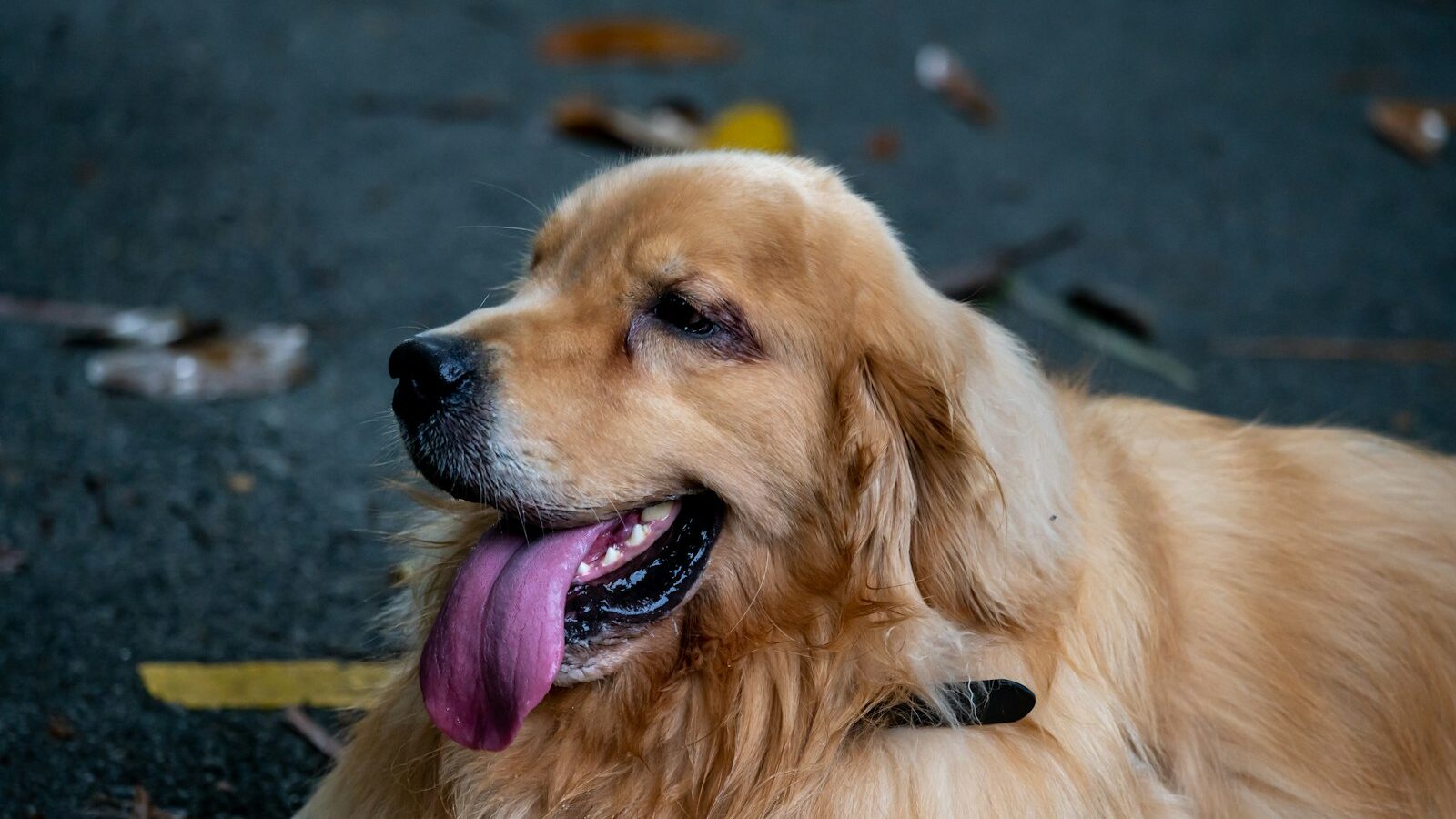
Dental disease is one of the most common health problems in dogs, and it is also one of the most preventable. By the time many owners notice bad breath, plaque has often built into tartar and the gums are already inflamed. Good dog dental care at home slows that process, keeps your dog comfortable and can spare them painful problems later.
Home care does not replace a vet’s dental checks or professional cleaning, but it does most of the day-to-day work between visits. This guide covers how to brush, what chews and aids actually help, and the warning signs that mean it is time to see a licensed vet.
Why Your Dog’s Teeth Deserve Daily Attention
A dog’s mouth is under constant attack from a sticky film of bacteria called plaque. Left alone, plaque hardens into tartar within a couple of days, and tartar cannot be brushed away. Over time this leads to gum disease, which can be painful and, in advanced cases, affect the teeth and general health.
The trouble is that dogs hide dental pain well. Many keep eating despite sore gums or a cracked tooth, so owners assume all is fine. That is why a simple daily routine matters more than waiting for obvious signs. Small, regular care prevents most of the problems that would otherwise need treatment under anaesthetic.
How to Brush Your Dog’s Teeth Safely
Brushing is the single most effective thing you can do at home. The key is to build up slowly so your dog learns to accept it rather than dread it.
You will need a soft dog toothbrush or a finger brush, and a pet-safe toothpaste. Never use human toothpaste, as it can contain ingredients that are harmful to dogs, and never use xylitol-sweetened products, which are toxic to dogs. Ask your vet to recommend a suitable pet toothpaste if you are unsure.
Take it step by step over several days:
- Let your dog lick a little pet toothpaste off your finger so they enjoy the taste.
- Next, rub your finger gently along the outer surfaces of the teeth and gums.
- Introduce the brush with a dab of toothpaste, starting with just a few front teeth.
- Build up to brushing the outer surfaces of all the teeth, using small circles at the gum line.
- Keep each session short and calm, and finish with praise or a little play.
Aim to brush daily if you can, or at least several times a week, since plaque returns quickly. Focus on the outer surfaces, where most tartar forms. If your dog snaps or is very distressed, stop and speak to your vet rather than forcing it.
Chews, Diets and Other Home Aids
Brushing is the gold standard, but a few extras can support it. None of them replaces the brush, and some do less than the packaging suggests.
- Dental chews and treats can help reduce plaque through the mechanical action of chewing. Choose an appropriate size for your dog and count the calories, as our warm climate makes weight gain a real concern.
- Chew toys designed for dental use give plaque-reducing chewing without extra calories. Avoid anything so hard it could crack a tooth, such as bones, antlers or hard nylon, and ask your vet if you are unsure about a product.
- Dental diets are special kibbles shaped to clean the tooth surface. Your vet can advise whether one suits your dog.
- Water additives and dental gels may offer modest help for dogs who will not tolerate brushing. Look for products designed for pets and discuss options with your vet.
Whatever you choose, supervise chewing, and take away any piece small enough to be swallowed whole or to become a choking hazard.
What Works: Home Care Options Compared
Use this comparison to build a routine that fits your dog and your day.
| Home care option | How much it helps | Best for |
|---|---|---|
| Daily tooth brushing | Most effective | Every dog that will accept it |
| Dental chew toys | Useful support | Dogs who love to chew |
| Dental chews or treats | Modest help | Watch the calories |
| Dental diet kibble | Moderate help | Dogs already on dry food, on vet advice |
| Water additives or gels | Small help | Dogs who refuse brushing |
Combine brushing with one or two extras rather than relying on chews alone. No single product keeps a mouth healthy on its own.
Warning Signs That Need a Vet
Home care manages plaque, but some dental problems need professional treatment. This article is general information, not veterinary advice, so book a check with a licensed vet if you notice any of the following.
- Persistent bad breath, which is often the first sign of gum disease.
- Red, swollen or bleeding gums, or a receding gum line.
- Heavy brown or yellow tartar, especially near the gum.
- A broken, loose or discoloured tooth.
- Drooling, pawing at the mouth, dropping food or chewing on one side.
- Reluctance to eat, or eating more slowly than usual.
A broken tooth or a facial swelling below the eye can signal a painful infection and should be seen promptly. Once tartar has formed, only a vet can remove it safely, usually with a scale and polish under anaesthetic. Your vet will also check for problems hidden below the gum line that you cannot see at home. Most dogs benefit from regular dental checks as part of their routine health care.
Starting young helps enormously, but it is never too late to begin. Even an older dog can learn to accept brushing with patience, and the payoff is a more comfortable pet and fewer costly problems down the line.
Explore more
Dental care is one piece of a good home health routine, so pair it with our guides to cleaning your dog’s ears at home and trimming your dog’s nails safely. Handling sessions go more smoothly with a relaxed dog, so keep yours mentally settled with our dog enrichment ideas.