
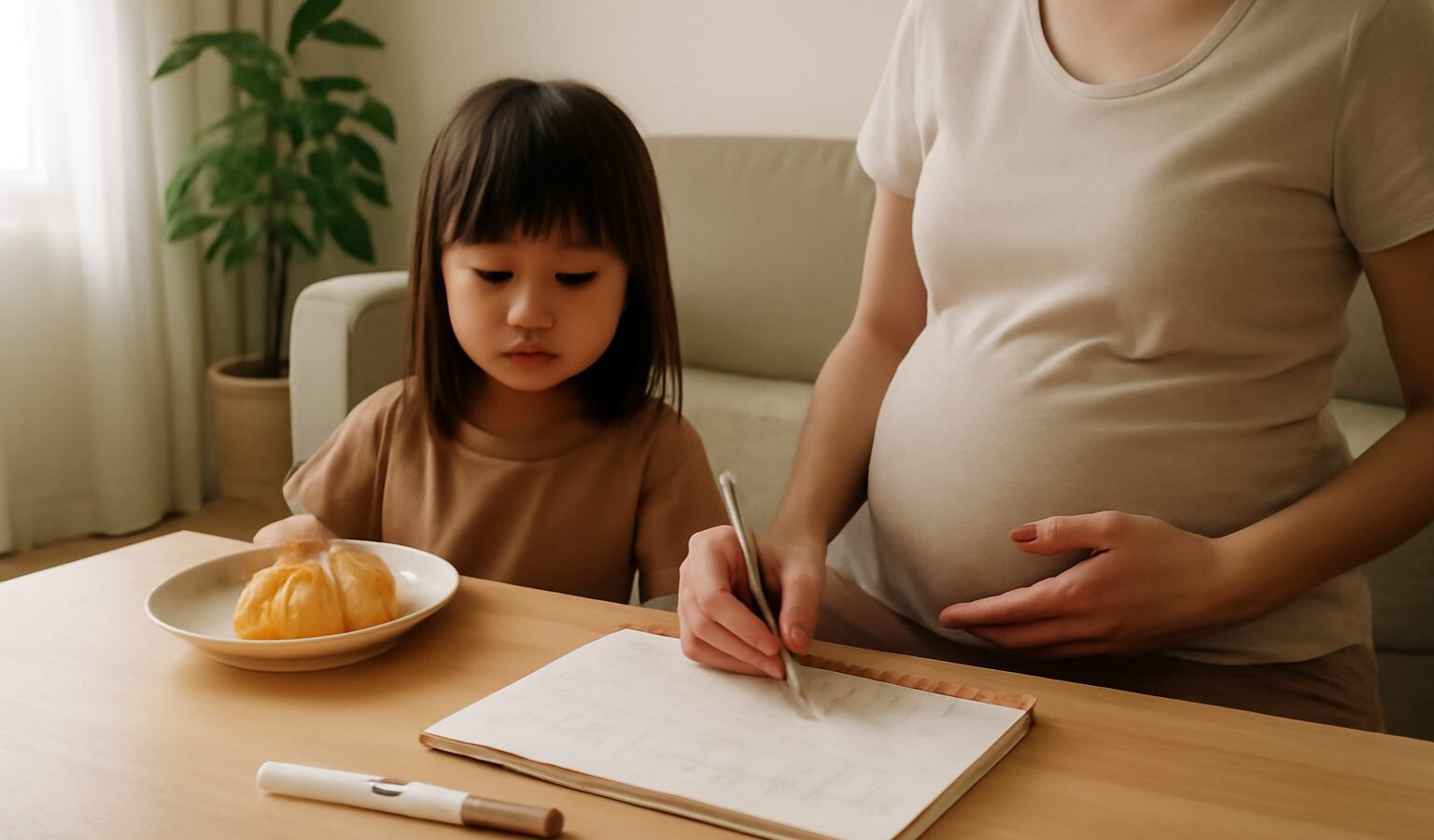
Deciding to grow your family is a big and personal choice, and if you are thinking about a second child in Singapore, you are probably weighing timing, finances, and how your firstborn will cope. There is no single right answer here. Every family is different, and the gap that works beautifully for one household may not suit yours at all. This is a general guide to help you think things through, not medical or financial advice, so do speak with your doctor about your own health and readiness.
What matters most is that the decision feels right for you and your partner. Below we walk through the common age gaps, the practical trade-offs, and gentle ways to prepare your first child for a new sibling.
Understanding Common Age Gaps
People often talk about age gaps as if there is an ideal number, but the truth is that each spacing brings its own joys and challenges. A closer gap can mean an intense but shorter stretch of very hands-on parenting, while a wider gap can give your first child more independence before the baby arrives.
Here is a simple overview of how different gaps tend to feel in daily life. Treat it as a starting point for conversation rather than a rule.
| Age gap | Possible upsides | Things to plan for |
|---|---|---|
| Under 2 years | Siblings often play together closely; you stay in the baby routine | Two very young children at once; more physical tiredness |
| 2 to 3 years | First child is more independent; still shares some interests | Toddler adjustment and possible jealousy |
| 3 to 4 years | Older child can help gently; you get more sleep between babies | Slightly different developmental stages and activities |
| 5 years or more | Older child is quite self-sufficient and often nurturing | Restarting the newborn routine after a long break |
None of these is better or worse. Your health, your finances, your support network, and your own energy all feed into what feels manageable.
Timing, Health and Recovery
Your body needs time to recover between pregnancies, and giving yourself that space can support a healthier next pregnancy. The right interval varies from person to person, so this is a good thing to raise with your doctor or gynaecologist before you start trying. They can talk you through your personal situation, any earlier pregnancy or delivery experiences, and general health.
It also helps to think honestly about your current season of life. Are you and your partner feeling steadier now than you did in the newborn days? Is your first child sleeping through the night? There is no need to wait for everything to be perfect, because parenting is rarely perfect, but a little breathing room can make the transition gentler.
The Financial Side of a Bigger Family
Money is often one of the quieter worries when planning a second child in Singapore, and it deserves an honest look. The good news is that a second child rarely doubles your costs. You may already own a cot, a pram, clothes, and many of the bulky items, and hand-me-downs can stretch a long way.
Even so, it is worth reviewing your budget together before you decide. Some areas to consider:
- Whether you will need more childcare or a larger childcare bill for two
- Any change to housing or bedroom arrangements as the children grow
- Medical and delivery costs, and how your existing coverage applies
- Everyday running costs such as food, transport, and enrichment later on
Government support such as the Baby Bonus scheme and related benefits may help ease some of the early costs. Details and eligibility change over time, so check the official government sources for the current figures rather than relying on what a friend paid a few years ago. Building a small buffer before the baby arrives can take a lot of pressure off.
Preparing Your First Child
Welcoming a sibling is a huge emotional shift for your firstborn, who has had your full attention until now. A little jealousy or clinginess is completely normal and does not mean you have done anything wrong. Warmth, patience, and honesty go a long way.
A few gentle ideas that many families find helpful:
- Tell your child in simple, age-appropriate words, and let them ask questions
- Involve them in small ways, such as choosing a soft toy for the baby
- Keep familiar routines steady so their world still feels secure
- Talk about being a big brother or big sister as something special
- Protect a little one-to-one time with your first child after the baby arrives
Reading picture books about new siblings together can also open up feelings in a low-pressure way. Reassure your child often that your love is not divided but shared, and that there is more than enough to go around.
Looking After Yourself and Your Relationship
In all the planning for a second child, it is easy to forget the two adults at the centre of it. Sharing the mental load matters even more with two children, so talk openly with your partner about who does what, and be ready to adjust as you go.
Lean on your support network too, whether that is grandparents, close friends, a helper, or a parents’ group. Accepting help is not a weakness; it is how families stay well. If you feel persistently low, anxious, or overwhelmed at any point before or after the birth, please reach out to your doctor. Support is available, and asking for it early is a sign of good care for yourself and your children.
A Gentle Final Word
There is no perfect age gap and no perfect moment, only the choice that fits your family, your health, and your circumstances. Trust that you know your household better than anyone. Whether your children arrive close together or years apart, what shapes them most is the love, patience, and security you offer every day. Take your time, talk it through, and be kind to yourself as you decide.
Explore more
Planning for a Baby in Singapore
Cost of Raising a Child
Family Budgeting in Singapore
Toddler Tantrums and Behaviour