
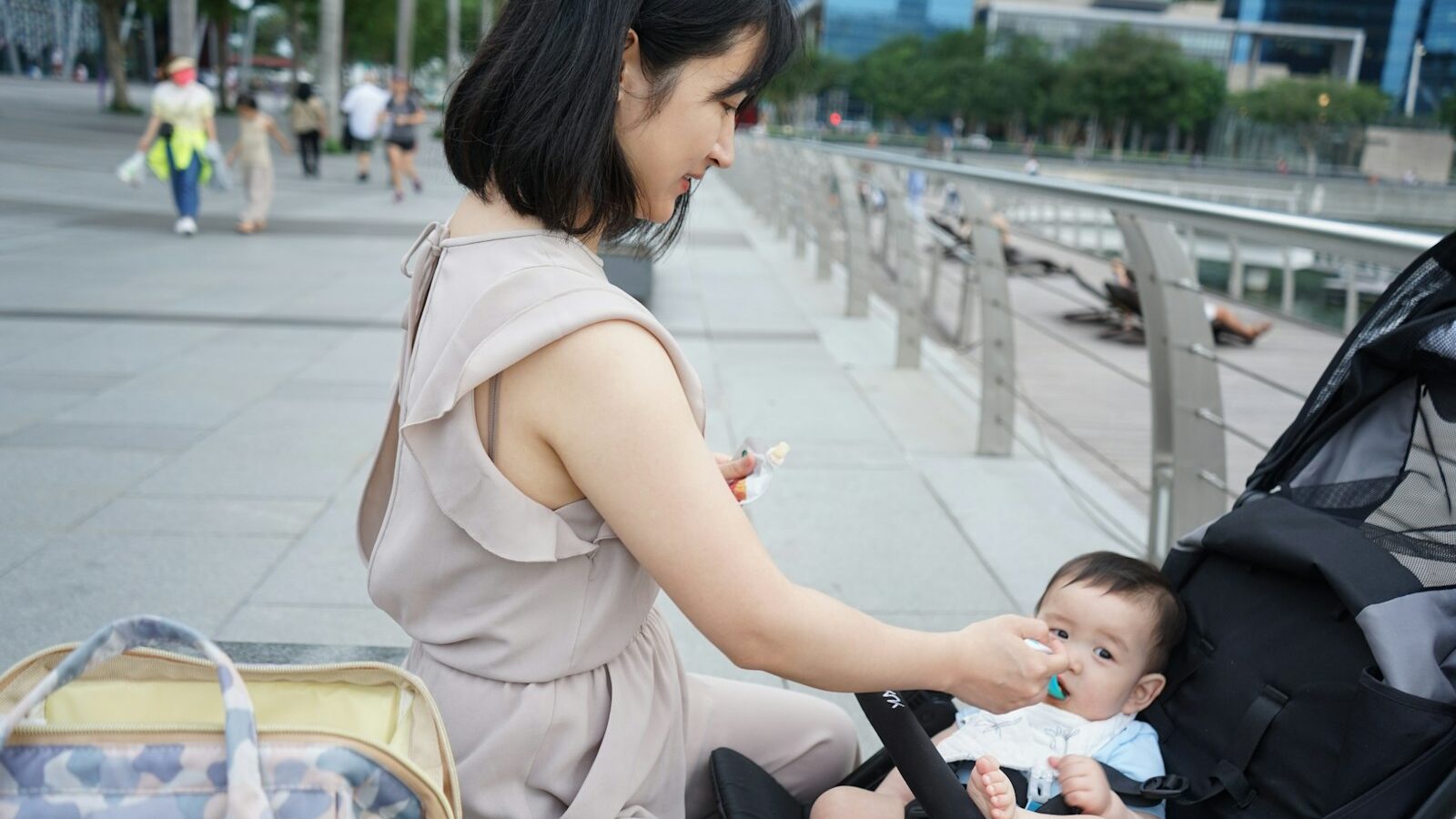
Welcoming a new sibling toddler Singapore parents quickly learn, is a big emotional shift for the little one who used to be the baby of the family. For a toddler, a new brother or sister can feel thrilling and unsettling all at once. Suddenly there is a small newcomer soaking up the cuddles, the attention and the lap that used to be theirs alone. Some jealousy, clinginess or wobbly behaviour is completely normal and not a sign that anything has gone wrong. With gentle preparation, plenty of reassurance and protected one-on-one time, your toddler can grow into the role of loving big brother or big sister at their own pace.
Every child is different, so treat the ideas below as a warm starting point to adapt to your toddler’s age, temperament and your own family’s rhythm.
Preparing Your Toddler Before the Baby Arrives
A little preparation during pregnancy helps a toddler feel included rather than blindsided. Toddlers have a limited sense of time, so there is no need to announce the news too early. As your bump grows and the arrival draws closer, start weaving the baby into everyday conversation in simple, positive terms.
Reading picture books about becoming a big brother or sister is a lovely, gentle way to introduce the idea. You can also let your toddler feel the baby kick, help choose a few tiny outfits, or talk about how they were once a baby too. Looking at their own baby photos helps them understand what a newborn is really like: small, sleepy and not an instant playmate.
Managing expectations kindly matters here. Explain that the baby will cry, sleep a lot and need feeding, and will not be able to play straight away. This spares your toddler the disappointment of expecting a ready-made friend.
If any big changes are coming, such as moving your toddler to a new bed, starting childcare or toilet training, try to handle them well before or well after the birth. Piling too many changes together can overwhelm a little one, and spacing them out keeps things calmer.
Those First Days and Weeks
The first meeting sets a warm tone, so when your toddler comes to meet the baby, try to have your hands free for a proper cuddle rather than being caught mid-feed. Some parents like to have a small gift from the baby to the big sibling, which can spark an early sense of goodwill.
In these early weeks, involve your toddler in gentle, age-appropriate ways. Toddlers love to feel helpful, and small jobs give them a sense of importance rather than replacement. They might fetch a nappy, help choose the baby’s outfit, sing a song or gently stroke the baby’s feet with supervision. Praise these moments warmly, since feeling like a valued helper eases a lot of jealousy.
At the same time, keep safety front of mind. Toddlers are loving but not always gentle, and they should never be left alone with a newborn. Frame safety rules kindly, such as gentle hands with the baby, rather than a stream of sharp corrections that might make your toddler resent the newcomer.
Understanding and Easing Jealousy
Jealousy is one of the most common reactions, and it deserves patience rather than punishment. A toddler simply does not have the words to say I feel pushed aside, so the feeling comes out as behaviour instead. Recognising the signs helps you respond with compassion.
The table below shows some common reactions and gentle ways to respond.
| What you might see | A gentle response |
|---|---|
| Clinginess or extra tears | Offer more cuddles and reassurance, not less |
| Going backwards in potty training or speech | Stay relaxed; it usually passes with patience |
| Acting out or seeking attention | Give attention for good moments, stay calm with the rest |
| Ignoring or rejecting the baby | Do not force affection; let the bond grow slowly |
| Wanting to be a baby too | Play along kindly; it is a bid for love, not misbehaviour |
Naming your toddler’s feelings helps enormously. Saying something like it can feel hard when the baby needs Mummy shows your child that their feelings are understood and allowed. A child who feels heard is far less likely to act out.
Try to avoid blaming the baby for changes your toddler dislikes. Rather than we cannot go now because of the baby, keep the newcomer cast in a positive light so your toddler does not come to see the sibling as the reason good things stopped.
Protecting One-on-One Time
Above all, guard some special time alone with your toddler. Even ten or fifteen focused minutes a day, with your full attention and no phone in hand, reassures your child that they still matter deeply to you. This might be a bedtime story, a walk to the playground, or simply playing on the floor while the baby naps.
Enlist help so this is possible. A partner, grandparent or trusted helper can hold the baby while you pour yourself into your toddler for a little while. Many families in Singapore lean on grandparents during this season, and that support can be a real gift for everyone.
Keep familiar routines as steady as you can, since predictability is deeply comforting to a toddler whose world has just changed. Their usual bedtime song, morning cuddle or favourite snack signals that the important things are still in place.
Lower your expectations of yourself too. The newborn months are exhausting, and you cannot pour from an empty cup. Accept help, rest when you can, and remember that a calm, rested parent has far more patience for a wobbly toddler.
Finally, be patient with the timeline. Some toddlers adore their sibling from day one, while others take many months to warm up, and both are perfectly normal. If your toddler’s distress seems intense, prolonged or worrying, or you feel you are struggling to cope, do speak to your doctor, paediatrician or the staff at your child’s childcare, who can offer reassurance and support. With love, patience and protected time together, your toddler will find their place as a proud big sibling.
Explore more
Toddler Tantrums and Behaviour
Baby Development and Milestones
Family Bonding Ideas at Home