
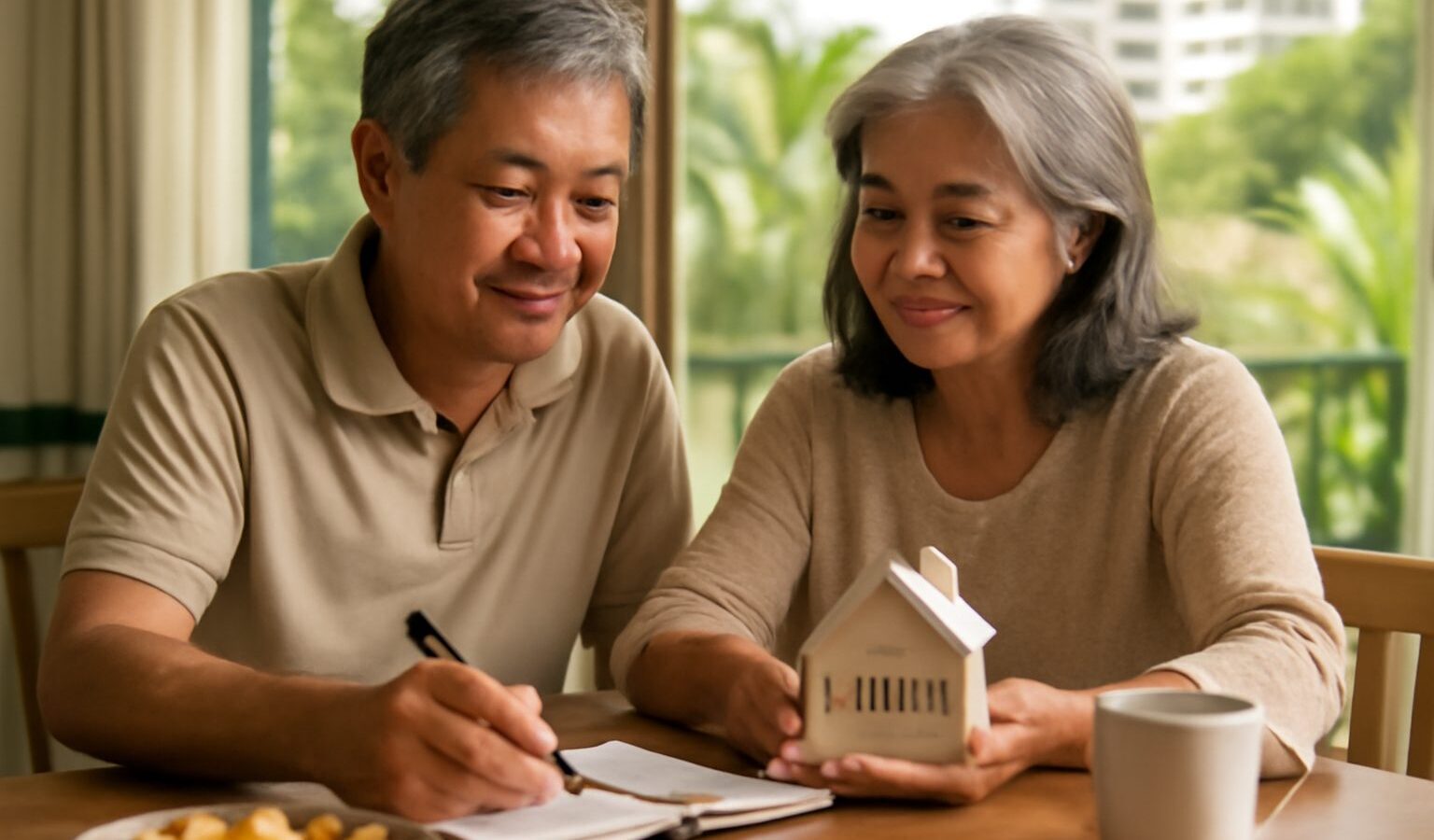
When people picture retirement, they usually think first about money. That matters, and it deserves careful attention. Yet the happiest retirees will tell you that a comfortable bank balance is only half the story. The other half is the life itself: how you spend your days, who you spend them with, and what gets you out of bed once the alarm clock is finally switched off. Planning your retirement lifestyle in Singapore means picturing that daily reality first, then arranging your finances to support it, rather than the other way round.
This guide is general information to help you think through the shape of your later years. It is not financial advice. For anything to do with CPF payouts or retirement sums, always check directly with the CPF Board, and speak to a licensed adviser about your own situation.
Start With the Life, Not Just the Money
It is easy to spend years focused on a savings target and to arrive at your last day of work with no clear idea of what comes next. A useful exercise is to describe an ordinary Tuesday in your retirement. Where do you wake up? What do you do before lunch? Who do you talk to during the week?
If that picture feels blank, you are not alone. Many Singaporeans have built their identity around a job and a busy calendar, so the open space of retirement can feel unsettling rather than freeing. The good news is that a retirement lifestyle can be designed, and adjusted, just like any other stage of life. The aim is not to fill every hour, but to build a week that feels purposeful, connected and healthy. Money then becomes the tool that makes that chosen life possible.
Finding Daily Purpose and Routine
Work provides structure, status and social contact almost by default. Remove it, and those needs do not disappear. This is why some new retirees feel restless or low even when they are financially secure. A gentle routine helps: a regular morning walk, a fixed day for volunteering, a weekly meal with family or friends.
Purpose can come from many directions. Some people mentor younger colleagues part time or take on advisory work. Others give time to a Community Club, a Residents’ Committee, a place of worship, or a cause they care about. Learning keeps the mind active too, whether that is a language, a musical instrument, or a course at a SkillsFuture provider. The specific activity matters less than the sense that your days add up to something and that other people are glad you showed up.
Where and How You Want to Live
Housing shapes daily life more than almost anything else. As you plan, think about whether your current home still suits you, or whether a change would make later life easier and more enjoyable. Consider these questions:
- Is the home safe and easy to move around as mobility changes, or would features like grab bars and level access help?
- Is it near amenities you will use often, such as a hawker centre, clinic, park and MRT or bus links?
- Are family, friends or an Active Ageing Centre close enough for regular contact?
- Would a smaller or more manageable home free up money, time and effort for the things you value?
Some seniors choose to age in place with home modifications. Others move closer to adult children, downsize to a smaller flat, or explore senior-friendly housing options. There is no single right answer. What matters is that the home supports the life you want, rather than quietly making it harder.
Health, Relationships and Community
Good health is what allows you to enjoy everything else, so it belongs at the centre of any retirement lifestyle plan. That means staying physically active, eating well, sleeping properly, and keeping up with health screenings and any chronic conditions with your doctor. This guide is not medical advice; your GP or polyclinic is the right place for personal guidance.
Relationships deserve the same intention. Working life often supplies ready-made company, and that can thin out quickly after you stop. Nurturing friendships, family ties and neighbourly connections is worth real effort. Active Ageing Centres, interest groups, volunteering and community events all offer natural ways to meet people and stay socially engaged. Loneliness is a genuine health risk in later life, so treat your social calendar as seriously as your medical one.
Phased or Full Retirement
Retirement no longer has to be a single hard stop. Many Singaporeans now ease out of work gradually, and thinking about which path suits you is part of planning your retirement lifestyle.
| Retirement lifestyle area | What to think about |
|---|---|
| Daily purpose and routine | What gives your week meaning once work is gone, and how you build a rhythm you enjoy |
| Where and how you live | Whether your home suits later life, or whether modifying, downsizing or relocating would help |
| Health and wellbeing | Staying active, eating well, keeping up screenings, and managing conditions with your doctor |
| Relationships and community | How you will keep family, friends and neighbours close and avoid isolation |
| Hobbies and learning | Interests, volunteering and courses that keep you engaged and growing |
| Pace of transition | Phased or part-time work versus a full stop, and how that fits your energy and finances |
| Identity beyond work | Who you are when your job title is gone, and what you want to be known for |
A phased approach, such as part-time or consultancy work, can soften both the financial and emotional transition. It keeps income flowing, maintains social contact, and gives you time to adjust. A full stop may suit those who are ready to redirect their energy elsewhere entirely. Neither is better; the right choice depends on your health, your finances and your temperament.
Adjusting Your Identity Beyond Work
For decades, many of us answer the question “what do you do?” with a job. In retirement, that anchor is gone, and it can take time to feel settled without it. Give yourself permission for this to be a transition rather than a switch. It is normal to feel a mix of relief and loss in the first year.
Try to define yourself by what you value and enjoy rather than by what you used to earn or manage. You are a grandparent, a volunteer, a gardener, a walker, a friend. Talking openly with your spouse or family about expectations helps too, since retirement changes their routines as well as yours.
Aligning Your Finances to the Lifestyle
Once you can picture the life you want, you can work out what it costs and how to fund it. This is where the numbers come back in: your expected expenses, the role of CPF LIFE as a monthly income base, and the savings you will draw on. Because these figures change and depend on your own circumstances, treat this as general information and confirm specifics with the CPF Board or a licensed financial adviser. The point is simply that the lifestyle leads, and the finances follow.
Explore More
Once you have a clear picture of the life you want, the next step is to work out the numbers behind it. See How Much Do You Need to Retire in Singapore to think through your retirement number, and Active Ageing in Singapore for practical ways to stay healthy, engaged and connected in later life.