
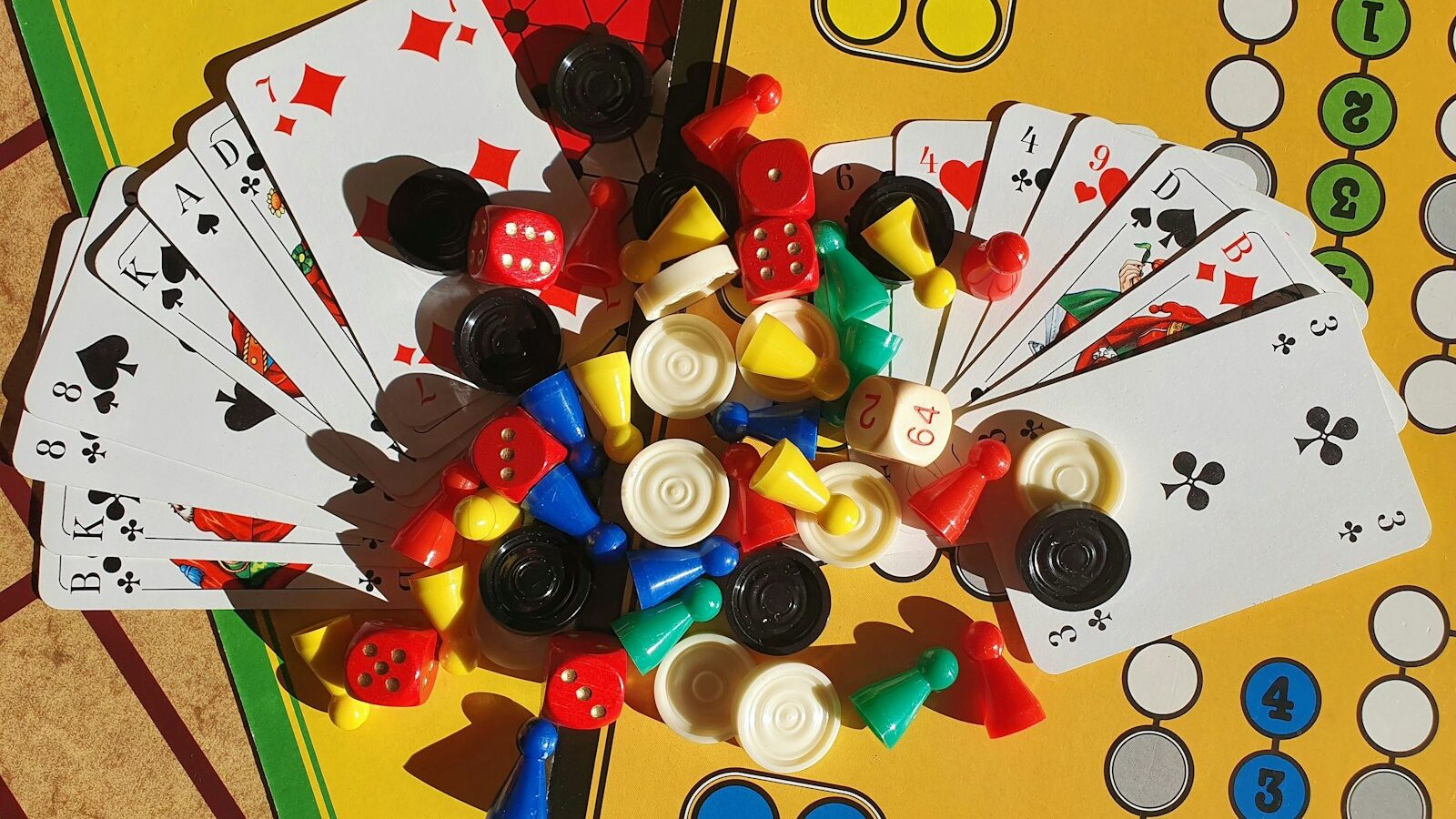
Playing bridge has a reputation for being difficult, even a little intimidating, and it is true that the game rewards patience and practice. But look past the mystique and you find one of the friendliest, most sociable card games ever invented. It costs almost nothing to start, fits neatly onto any HDB dining table, and gives you a hobby that can last a lifetime and keep your mind sharp along the way. If you can hold thirteen cards and count to forty, you already have what you need to begin.
Bridge is a partnership game for four people, played with a standard deck. You and your partner sit opposite each other and work as a team against the other pair. What makes it special is the blend of logic, memory, communication and gentle psychology. No two hands are ever the same, and even after years of play you will still meet situations that make you stop and think. That depth is exactly why so many people stick with it for decades.
What Bridge Is and Why People Love It
At its heart, bridge is a trick-taking game, similar in spirit to games you may already know like hearts or whist. Over a round, the four players take turns playing one card each, and the highest card wins that small batch, called a trick. The twist that makes bridge so rich is the bidding, an opening conversation where partners use a coded language of calls to describe their hands and agree on a target before a single card is played.
People fall for bridge for different reasons. Some love the puzzle of it, the way declarer play feels like solving a fresh problem every deal. Others love the partnership, the quiet satisfaction of two people reading each other well. And many simply love the company. Bridge is deeply social, built around regular tables, clubs and friendly rivalry. It is one of the few hobbies where a beginner and a retiree several decades their senior can sit down as genuine equals and both enjoy the afternoon.
If you enjoy games that reward thinking and reading your opponents, you may also like getting into poker as a hobby or the tactical patience of backgammon and tile games.
What You Need to Start
The beauty of bridge is that the barrier to entry is almost zero. Here is the short list.
- A deck of cards. One standard fifty-two card deck, no jokers. That is genuinely all the equipment the game requires.
- Three other people. Bridge needs exactly four players in two partnerships. If you cannot round up a foursome, do not worry, because clubs and apps solve this for you.
- A beginner’s book or app. A well-structured teaching resource matters far more than any gear. Look for something that introduces the standard bidding system used by most local players so you learn the same language as the people around you.
- A notebook. Jotting down the deals that confused you, and revisiting them later, is one of the fastest ways to improve.
You do not need special mats, bidding boxes or scoring gadgets to begin. Those belong to the club world and you will meet them soon enough. At home, a table and a pencil are plenty.
The Basic Shape of a Deal
Every deal follows the same rhythm, and once it clicks the game opens up quickly.
- Deal. All fifty-two cards are dealt out, so each player holds thirteen.
- Bidding. Players take turns making bids, each one a promise about how many tricks their side can win and which suit, if any, will be trumps. The bidding is a language, not a gamble, and learning to speak it clearly with your partner is most of the game.
- The contract. Bidding ends when three players pass in a row. The final bid becomes the contract, the number of tricks one partnership has committed to winning.
- Play. One player, the declarer, tries to make the contract while the other pair defends. The declarer’s partner lays their hand face up as the dummy, and the declarer plays both hands.
- Scoring. You score for making your contract, with bonuses for bidding all the way to game or slam, and penalties if you fall short.
Do not expect all of this to land on day one. Most people grasp the card play first and let the bidding sink in gradually over several sessions. That is completely normal.
Home Games Versus Clubs Versus Online
A common question for beginners is where to actually play. Each setting suits a different stage, and most keen players end up mixing all three.
| Setting | Best for | Cost | Pace and vibe |
|---|---|---|---|
| Kitchen table at home | Absolute beginners, learning with friends | A deck of cards | Relaxed, forgiving, take-backs allowed |
| Community centre or club | Meeting regular partners, structured learning | Small session or membership fee | Sociable, gently competitive, real etiquette |
| Online apps and sites | Practising anytime, playing when short of a foursome | Free to modest | Fast, anonymous, great for drilling |
Start at the kitchen table if you can, because a patient friend who already plays is the single best teacher you will find. When you are ready for structure and steady partners, a club transforms the hobby. Online play then becomes the glue that keeps you sharp between sessions.
Common Beginner Mistakes
Every new player stumbles over the same handful of things, so knowing them in advance saves a lot of frustration.
- Treating bidding as guessing. Bids carry precise meaning. Resist the urge to invent, and trust the system you are learning.
- Forgetting you have a partner. Bridge is a team game. Grabbing tricks for yourself can wreck your side’s plan. Think about what your partner is telling you.
- Rushing the play. Before playing to the first trick as declarer, pause and count your winners and losers, and make a plan. Ten quiet seconds of thinking beats ten deals of regret.
- Fear of the post-mortem. After a hand, experienced players love to discuss what happened. This is not criticism, it is how everyone learns. Lean into it.
- Giving up too early. The learning curve is real and the first month is the steepest. Push through it and the game starts to reward you.
Cost, Space and the Learning Curve
Bridge is one of the cheapest serious hobbies going. Beyond a deck of cards and perhaps a book, your main investment is time. Club sessions charge only a modest fee, and online options range from free to inexpensive. There are no consumables, no storage headaches and nothing that suffers in our heat and humidity, which makes it a genuinely practical hobby for small flats.
The one real cost is patience. Bridge takes weeks to feel comfortable and years to master, and honesty about that upfront helps. But the curve is part of the appeal. This is a game you can keep growing into for the rest of your life, and it happens to be marvellous for keeping the mind active as you age.
Finding Your People in Singapore
Because bridge is a partnership game, community is not optional, it is the whole point, and Singapore has a warm one. Bridge clubs and interest groups run regular sessions, many of them welcoming to beginners and happy to pair a newcomer with a patient regular. Community centres sometimes host card and mind-game groups, and libraries and senior activity centres can be good places to ask around. Online forums and local social media groups will point you to beginner-friendly tables and any teaching sessions on offer. Class names, fees and schedules change, so always check current details before turning up.
If bridge lights a spark for word and board games, explore Scrabble and word games too, another sociable, low-cost way to keep your mind busy. However you begin, remember that every expert at that club was once exactly where you are now, holding thirteen unfamiliar cards and wondering what on earth to bid. Deal the first hand, and enjoy the ride.