
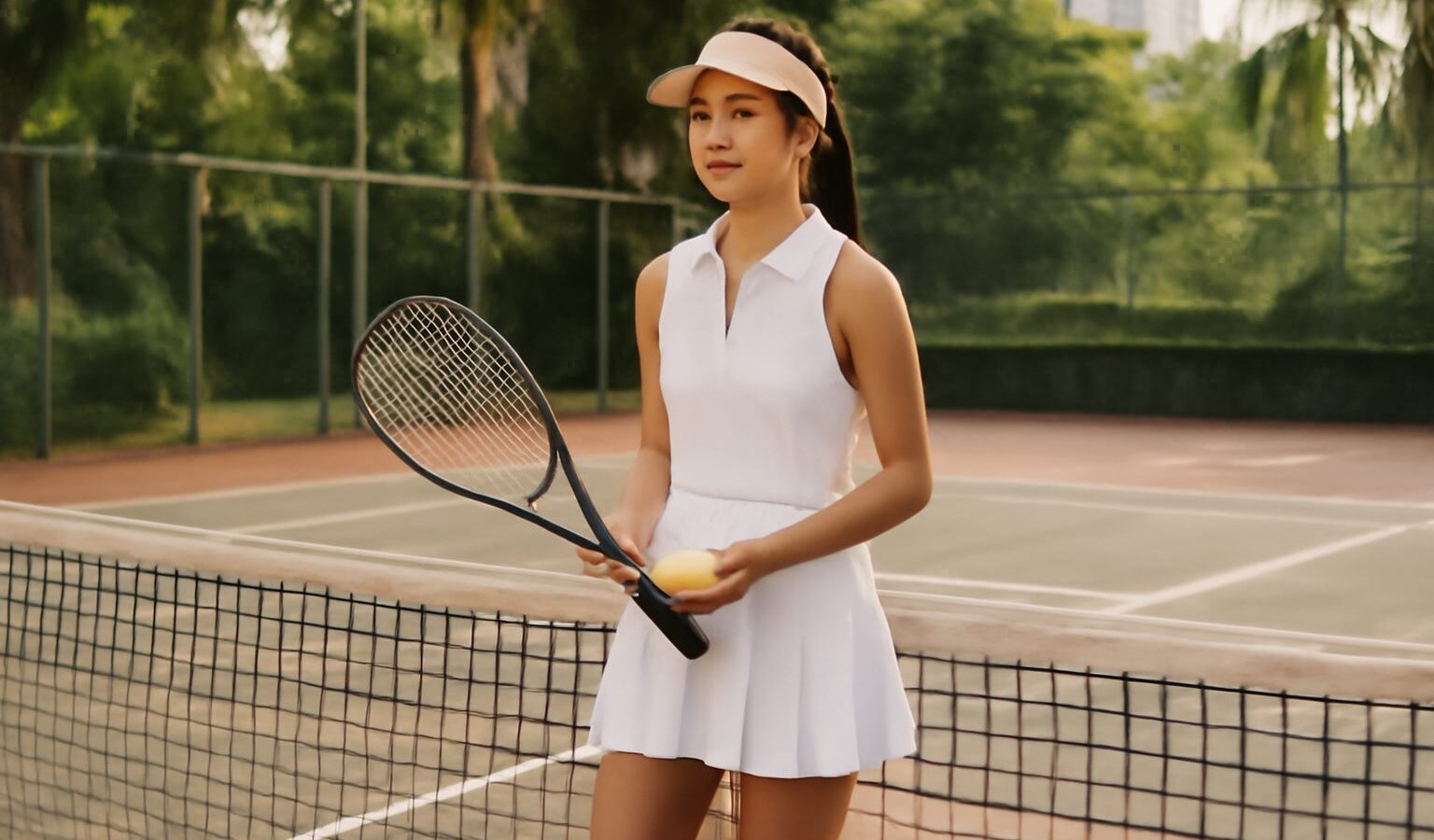
Few sports reward you quite like tennis. It sharpens your reflexes, builds full-body fitness, and gives you a social outlet all at once, and playing tennis in Singapore is more accessible than many people assume. Public courts sit tucked inside HDB estates and sports centres across the island, coaching is widely available, and there is a warm community of players happy to hit with newcomers. Whether you last held a racquet in school or you are picking one up for the very first time, this guide will help you get on court with confidence.
First, a quick and important note. This article is general information, not medical or professional coaching advice. Tennis involves sprinting, twisting and sudden stops, so if you have a health condition, are older, or are returning to exercise after a break, please consult a doctor before starting. Warm up properly, progress gradually, and listen to your body.
Why Tennis Suits Life in Singapore
Tennis packs a lot into an hour. You get cardio from the constant movement, strength from swinging and lunging, and coordination from tracking the ball, all wrapped in a game that is genuinely fun. Because points come in short bursts with rests between, it suits a wide range of fitness levels, and you can dial the intensity up or down depending on who you play with.
The sport also fits the rhythm of local life. Courts are dotted through neighbourhoods, so many people have one within walking or cycling distance of their block. A game needs only two players and a bit of kit, which makes it easy to slot into a busy week. And unlike team sports that need a full squad, you only have to coordinate with one other person to get a proper session going.
Where to Play: Courts Across the Island
Singapore offers a healthy mix of public and private courts, and the right choice usually comes down to budget, convenience and how often you play.
- ActiveSG tennis courts: Sport Singapore runs affordable public courts at sports centres and within many estates. Members can book through the ActiveSG app, and rates are budget-friendly.
- Condominium courts: If you live in a condo, you may have courts on-site, which is about as convenient as it gets.
- Private clubs and academies: These offer well-maintained courts, coaching and a social scene, usually at a higher membership or hourly cost.
- School and community courts: Some are open to public booking during off-peak hours, so it is worth checking what sits near you.
Here is a rough comparison to help you weigh the options.
| Court type | Typical cost | Best for | Things to consider |
|---|---|---|---|
| ActiveSG public court | Low, book per hour | Budget play and casual games | Popular slots fill quickly |
| Condo court | Included or low fee | Convenience and privacy | Limited to residents and guests |
| Private club or academy | Higher membership | Coaching, community, quality courts | Check contract terms first |
| Community or school court | Low to moderate | Local, off-peak sessions | Availability can be limited |
Court fees, booking windows and availability change from time to time, so check current details with ActiveSG, SportSG or the venue rather than relying on a fixed figure. Popular evening and weekend slots tend to go fast, so booking a few days ahead helps.
Gear You Actually Need to Start
One of the joys of tennis is how little you need to begin. Do not let shopping become an excuse to delay your first hit.
- A racquet: Start with a comfortable, forgiving recreational racquet rather than a stiff professional model. Many shops let you feel the weight and grip before buying, and some coaches lend racquets to first-timers.
- Tennis balls: A fresh can is inexpensive and lasts a while for casual play.
- Court shoes: Proper tennis or non-marking court shoes matter more than most beginners realise. They support the sideways movement the sport demands and reduce the risk of rolling an ankle. Running shoes are not a good substitute.
- Light, breathable clothing: Given the climate, moisture-wicking fabrics and a cap or visor make a real difference.
As you grow more serious, you might invest in a better racquet, an overgrip and a proper bag, but none of that is needed to enjoy your first month on court.
Learning the Game and Improving
You can absolutely start by simply rallying with a friend, and that is a lovely way to fall in love with the sport. To progress faster and avoid ingraining awkward habits, a few coached sessions go a long way. Coaching is widely available in Singapore, from ActiveSG programmes to private academies and individual coaches, and lessons come in group or one-to-one formats. Programmes, schedules and fees vary, so check current offerings with ActiveSG, SportSG or the coach directly.
Focus your early practice on the fundamentals. A steady forehand, a reliable backhand, a gentle serve and good footwork will take you a remarkably long way. Rather than trying to hit winners, aim to keep the ball in play and build rallies. Consistency beats power at every level below the professionals, and it is far more satisfying than spraying spectacular shots into the fence.
To find people to hit with, look to community clubs run by the People’s Association, informal neighbourhood groups, and social tennis meet-ups. Many players actively welcome beginners, and a regular hitting partner is one of the best ways to keep improving and keep showing up.
Playing Smart in the Heat
Singapore’s heat and humidity are a genuine part of the game, and respecting them keeps tennis enjoyable rather than gruelling.
- Play in the cooler parts of the day where you can, such as early morning or evening, and use covered or indoor courts on especially hot days.
- Hydrate before, during and after your session, and keep a water bottle courtside.
- Take short breaks between games to cool down, and do not push through dizziness, headache or nausea.
- Warm up your shoulders, wrists, hips and legs before you start, since cold muscles are far more prone to strain.
Tennis does carry an injury risk, especially to ankles, knees, shoulders and elbows. Good shoes, a sensible warm-up and gradual progression prevent most trouble. If you do pick up a persistent pain, swelling, or an injury that does not settle with rest, see a doctor or physiotherapist rather than playing through it. Sharp joint pain, an inability to bear weight, or a joint that gives way are red flags that need proper medical attention.
Explore more
Once you have the tennis bug, it is easy to widen your active life. If you enjoy racquet sports, try our guides to playing badminton in Singapore and the fast-growing sport of pickleball in Singapore. To keep your body resilient for all that sprinting and swinging, our guide to stretching and mobility for fitness in Singapore is well worth a read.