
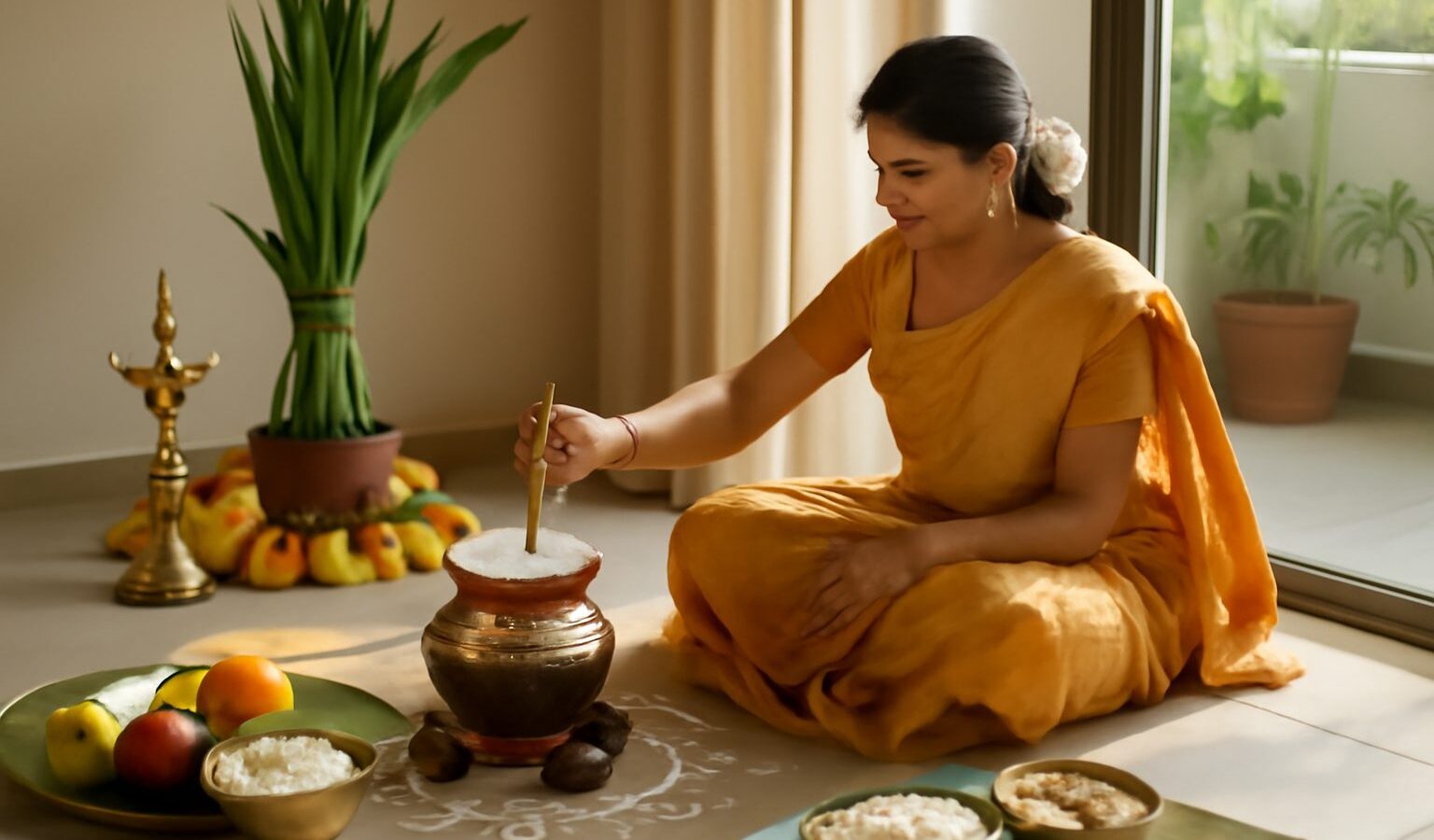
Pongal in Singapore is a warm, thanksgiving-filled festival that brings the Tamil community together to celebrate the harvest and give thanks for nature’s bounty. It is one of two cultural highlights that fall early in the year for the community, the other being Tamil New Year a few months later. Around these times, Little India comes alive with festivities, homes cook the sweet dish that gives Pongal its name, and colourful floor art brightens doorsteps. This guide explains what Pongal and Tamil New Year mark, how the Tamil and wider Indian community celebrates them here, and a few practical notes. Because both follow the Tamil calendar, their dates shift each year, so it is worth checking the current dates when you plan to join in.
What Pongal marks
Pongal is a harvest thanksgiving festival, traditionally a time to give thanks for a good harvest and for the sun, the rain, the land and the farm animals that make it possible. The name comes from the dish cooked at the centre of the celebration, and the word also carries the happy sense of “overflowing” or “boiling over,” which is exactly what the pot of rice and milk is meant to do as a sign of abundance and good fortune. Pongal is usually celebrated over several days, each with its own focus, including honouring the sun and, in agricultural tradition, giving thanks to cattle.
Out of respect, this guide describes what the community observes rather than making cultural or religious claims on its behalf. Pongal is often described as a cultural and agricultural festival with deep roots in Tamil tradition, and families in Singapore mark it in their own ways, blending prayers, food and time together. The shared idea at its heart is gratitude and renewal, welcoming a fresh season with a thankful spirit.
What Tamil New Year marks
Tamil New Year, sometimes called Puthandu, marks the first day of the Tamil calendar year and is a time for new beginnings. Families clean and refresh their homes, seek blessings from elders, visit temples and share festive meals. As with many new-year traditions, there is an emphasis on starting the year on a positive, hopeful note. It falls a few months after Pongal, in the middle of the year rather than at its start, because it follows the Tamil calendar. Like Pongal, it is a cultural festival observed by the Tamil and wider Indian community here, and it is celebrated with prayers, good food and family visits.
How the community celebrates here
The celebrations are centred on the home, the temple and, publicly, on Little India. Some of the most recognisable customs include:
- The pongal dish. The signature dish is a preparation of freshly harvested rice boiled with milk, often sweetened with jaggery and flavoured with cardamom, cashews and raisins. It is traditionally cooked until it boils over, which is seen as a joyful sign of prosperity.
- Kolam. Colourful patterns, known as kolam, are laid out at entrances using coloured rice, powders or petals as a sign of welcome and good fortune.
- Prayers and temple visits. Many families offer prayers and visit temples to give thanks and seek blessings for the season ahead.
- New clothes and family visits. Wearing new outfits and visiting relatives and friends are part of the festive spirit for both occasions.
- Sugarcane and fresh produce. Sugarcane, turmeric and freshly harvested produce often feature in Pongal, reflecting its roots as a harvest festival.
For both festivals, the emphasis is on family, gratitude and community, with food and hospitality at the centre.
Little India festivities
The public heart of the season is Little India, which takes on a festive buzz around Pongal in particular. A festival bazaar and market stalls appear, selling sugarcane, fresh produce, clay pots for cooking the pongal dish, garlands, decorations and festive goods, and there are often cultural programmes and displays. It is a lively, welcoming scene, and people of all backgrounds come to soak it in, shop and take photographs.
If you plan to visit, expect larger crowds in the evenings and on weekends, so allow extra time and consider taking public transport. Even if you are not celebrating yourself, the bazaar and the atmosphere are a wonderful way to experience the season and to see one of the traditions that makes up Singapore’s cultural calendar.
Pongal compared with Tamil New Year
Because the two festivals are related but distinct, it helps to see them side by side. The table below sets out what each marks and when.
| Feature | Pongal | Tamil New Year |
|---|---|---|
| What it marks | Harvest thanksgiving | First day of the Tamil year |
| Core theme | Gratitude for the harvest | New beginnings and blessings |
| Signature elements | The pongal dish, sugarcane, kolam | Home refresh, temple visits, family meals |
| Rough time of year | Early in the year | Middle of the year |
| Calendar followed | Tamil calendar | Tamil calendar |
| Public holiday in Singapore | No | No |
Cultural festivals, not public holidays
Unlike Deepavali, neither Pongal nor Tamil New Year is a gazetted public holiday in Singapore, so schools, offices and most workplaces run as normal on those days. The community still celebrates fully at home, in temples and in Little India, often over a weekend or in the evenings. This is a good reminder that Singapore’s festival calendar is richer than its list of public holidays alone, with many cultural and religious occasions observed warmly even when they are ordinary working days.
Because both festivals follow the Tamil calendar, their dates shift from year to year rather than landing on the same date each time. Pongal usually falls in the middle of January, while Tamil New Year usually falls in the middle of April, but it is best to check the current year’s dates when you are planning to visit Little India or join a celebration. Taking part as a guest is warmly welcomed, and a friendly greeting, a willingness to try the food, and courtesy in the crowds all go a long way. Treating the occasion with the same respect you would want for your own traditions reflects the spirit of harmony that lets Singapore’s communities celebrate side by side.
Explore more
For a related festival that is a public holiday, read our guide to Deepavali in Singapore, which shares some of the same customs like kolam and Little India festivities. For the bigger picture of how communities live side by side and celebrate one another’s traditions, see racial and religious harmony in Singapore. Together they offer helpful context for the many festivals you will meet throughout the year.