
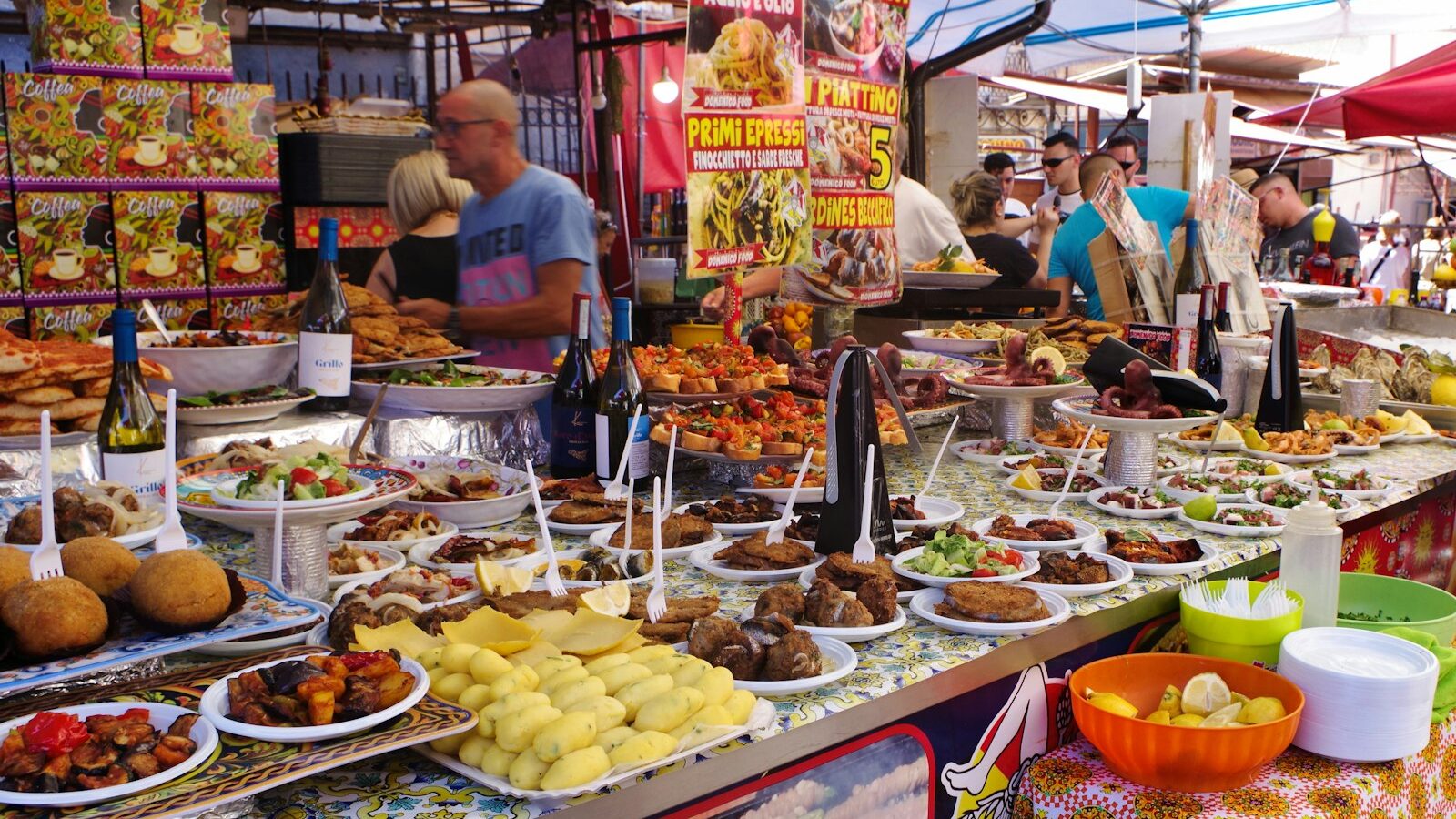
Portuguese cooking is one of Europe’s quiet giants. It gave the world piri piri chicken, custard tarts, and a whole family of salted cod dishes, and it carried those flavours across the globe through centuries of seafaring. In Singapore, Portuguese food singapore diners often discover it twice over: once in its European form, and once through Macau, the former Portuguese enclave in southern China where East and West met at the dinner table. This guide walks you through both, so you know what to look for and what to order.
Be honest with yourself before you go hunting: this is a niche cuisine here. There is no Little Lisbon in Singapore, and dedicated Portuguese or Macanese restaurants are few. You are more likely to find these flavours on a European restaurant menu, at a hotel dining room, or through a small specialist that opens and closes with the seasons. Always search current listings before you set out, because outlets change.
What Portuguese Cooking Is All About
At its heart, Portuguese food is generous, rustic, and built on the sea. The country’s obsession is bacalhau, salted and dried cod, which is soaked, flaked, and turned into hundreds of dishes. The most beginner friendly is bacalhau a bras, a comforting tangle of shredded cod, thin potato straws, onion, and softly scrambled egg. It is savoury and familiar in the way a good hash is, and it makes an easy first taste.
From there, the flavours open up. Piri piri chicken, grilled and brushed with a chilli, garlic, and vinegar sauce, is the dish most people already know without realising it is Portuguese in origin. Caldo verde is a simple green soup of potato, kale, and a few coins of smoky sausage. Along the coast you find grilled sardines, clams cooked in the bright, garlicky style called a bulhao pato, and hearty seafood rice that arrives wet and spoonable rather than dry.
Portuguese seasoning leans on olive oil, garlic, coriander leaf, bay, paprika, and plenty of good bread to mop up the pan. The cured sausages, chourico and linguica, add smoke and depth. For dessert there is really only one place to start: the pastel de nata, a small custard tart with a scorched, caramelised top and a crackly, laminated shell. It is the single most recognisable thing Portugal has given the world’s cafes, and it travels beautifully.
A quick note on allergens and diet. Portuguese food uses a lot of shellfish, egg, wheat, and dairy, and pork appears often through the cured sausages, so this cuisine is generally not halal. If you need it to be, check with the specific outlet, because a handful of places adapt their menus. Salt cod is, unsurprisingly, very salty, so pace yourself.
Macanese Food: Where Portugal Meets Asia
Macanese cuisine is one of the world’s oldest fusion cooking traditions, born from Portuguese settlers marrying local ingredients and techniques over more than four centuries in Macau. It is not simply Portuguese food cooked in Asia. It is its own creole kitchen, blending Portuguese, Cantonese, Malay, Indian, and African influences picked up along old trade routes, which makes it especially interesting to Singapore palates already fluent in that kind of mixing.
The dish to seek first is Macanese minchi, a homely stir fry of minced meat with diced potato, soy, and a fried egg on top, eaten over rice. It tastes like comfort food from a household that has lived in three cultures at once. Then there is African chicken, which despite the name is a Macau invention, roasted or grilled and coated in a rich sauce built from chilli, coconut, and peanut. Portuguese chicken, or galinha a portuguesa, is milder and yellow with turmeric and coconut, closer to a gentle curry.
Look out too for tacho, a warming braise, and bacalhau given a Cantonese accent. Macanese cooking uses balichao, a fermented shrimp paste, which gives dishes a savoury depth that will feel familiar to anyone who loves belacan. For dessert, serradura, a no bake pudding of whipped cream layered with crushed biscuit, is easy to love.
If you enjoy this kind of cross cultural plate, you will find kindred menus in our guides to Peruvian and Latin American food in Singapore and Spanish food and tapas in Singapore, both of which share Portugal’s love of seafood, paprika, and long, unhurried meals. For a broader map of where to eat well, our best restaurants in Singapore round up is a useful starting point.
What a Newcomer Should Order
Keep your first meal simple. Start with a pastel de nata and a coffee if you are only testing the waters, because that tart tells you a lot about a kitchen’s care. For a full sit down, order bacalhau a bras or piri piri chicken on the Portuguese side, and Macanese minchi or African chicken if the menu leans towards Macau. Add a green vegetable or a simple salad, and finish with serradura.
Because dedicated outlets are scarce in Singapore, treat these flavours as a small adventure rather than a guaranteed weeknight option. Check current listings, call ahead to confirm the menu, and be open to finding these dishes tucked inside a broader Western food in Singapore menu. When you do find a good one, it is worth the search: few cuisines pack this much history into a single plate.