
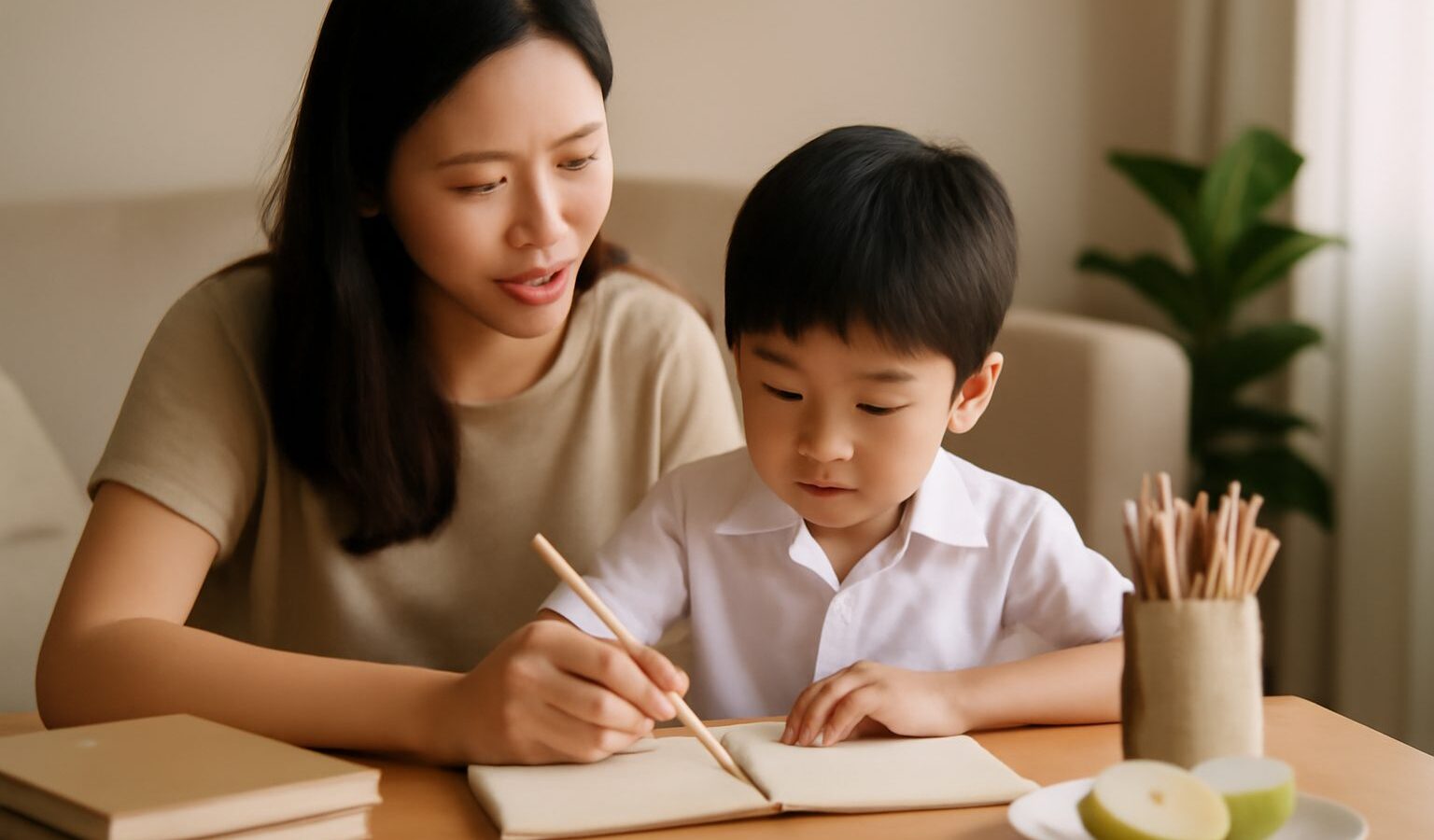
Preparing for Primary One is less about drilling worksheets and more about helping your child feel capable, curious and calm on that first morning in a bigger school. In Singapore, the jump from preschool to a mainstream primary school can feel large for the whole family, but most of the readiness that matters is built gently at home over the months before term begins. This guide focuses on everyday habits, small responsibilities and warm encouragement, not the registration process itself. Think of it as helping your child arrive ready to learn, make friends and manage a longer day with a smile.
What Readiness Really Means
Readiness is not about reading fluently or finishing sums before school starts. It is a mix of small, practical skills and a settled, willing attitude. A child who can follow simple instructions, tidy up after themselves and ask for help when stuck is often far better placed than one who has memorised facts but freezes when a routine changes.
The areas worth nurturing gently are:
- Independence: managing their own bag, water bottle and shoes, and using the toilet on their own.
- Communication: telling a teacher when they feel unwell, hungry or unsure.
- Focus: sitting and attending to a task or story for a stretch of time, then moving on.
- Social ease: taking turns, sharing and joining a group without too much worry.
- Curiosity: a habit of asking questions and having a go, even when something looks hard.
You do not need to tick every box before day one. Schools expect children to keep growing across the year, and teachers are experienced at helping newcomers settle in.
Building Routines That Ease the Change
Primary school days start earlier and run longer than most preschool programmes, so a predictable rhythm at home does a lot of the heavy lifting. A few weeks before term, begin shifting bedtimes and wake times closer to the school schedule so mornings do not feel like a shock. Well-rested children cope far better with new faces, new rules and a busier canteen.
Practise the parts of the day that will be unfamiliar. Walk or ride through the actual journey to school if you can, so the route feels known. Let your child practise opening their own snack packets, unzipping their bag and packing it again. Set out uniform and shoes the night before and let them dress themselves, even if it takes longer. Small wins like these build real confidence.
A gentle after-school wind-down matters too. Many children are tired and a little overwhelmed in the first weeks, so keep afternoons light, allow rest and snacks, and save any structured learning for short, cheerful bursts. Consistency, not intensity, is what helps a new routine stick.
Early Literacy and Numeracy at Home
Your goal before Primary One is comfort and curiosity with words and numbers, not a head start on the syllabus. Everyday moments do this best. Read together daily, point out letters and sounds on signs and packaging, and let your child retell stories in their own words. Talking through the day builds the vocabulary that underpins all later reading and writing.
For early maths, keep it playful and hands-on. Count steps, share out snacks equally, sort toys by colour or size, and notice numbers on lifts, buses and prices. These small habits build number sense far more naturally than flashcards. If English is a second language at home, keep reading and chatting in your strongest language too, since strong ideas in one language transfer to another.
Here is a simple way to picture what helps and what tends to add pressure without much payoff.
| Area | Gentle habits that help | Approaches to go easy on |
|---|---|---|
| Reading | Daily shared stories, sounding out fun words | Long solo reading drills before school |
| Maths | Counting and sorting in daily life | Timed worksheets and rote sums |
| Writing | Drawing, colouring, tracing their name | Perfecting neat handwriting early |
| Attitude | Praising effort and having a go | Warning that school will be hard |
If you ever have questions about school readiness expectations, the school itself and MOE resources are the best places to check, since curriculum details and support programmes can change over time.
Supporting Emotional Readiness
Feelings are a big part of preparing for Primary One. A child who feels safe and hopeful will explore and learn; a child who feels anxious may hold back. Talk about school warmly and often. Describe the fun parts, the friends they will make and the interesting things they will do, and answer worries honestly without piling on pressure or grand expectations.
Practise the words your child might need: how to ask to go to the toilet, how to say they do not understand, and how to find a friend at recess. Role-play buying a snack or asking a teacher for help. Reassure them that everyone is new, that teachers are there to help, and that it is completely fine to feel a little nervous at first.
Watch your own tone as well. Children absorb our worries, so speak about school as a friendly adventure rather than a test to survive. If your child seems very distressed as term approaches and it does not ease, a chat with the school or a trusted professional can help. This is general guidance, not a substitute for advice from your doctor or the school’s support team, who know your child’s situation best.
Gentle Steps for the Final Weeks
As the first day nears, keep preparation light and positive. A short, steady checklist beats a frantic last-minute push, and it keeps the mood calm for everyone.
- Ease bedtimes and wake times toward the school schedule.
- Label belongings together so your child recognises their own things.
- Practise the morning routine, from dressing to packing the bag.
- Do a trial run of the journey and, if offered, attend any orientation.
- Talk through recess: buying food, eating in time and finding friends.
- Keep learning playful with stories, counting and lots of chatting.
Above all, let your child see that you are excited for them. Your calm, warm confidence is the strongest signal that Primary One is something to look forward to, not to fear.
Explore more
Keep the momentum going with our guide to easing the move from preschool to primary, then set up gentle learning routines with building good study habits in children. If your little one is on the quieter side, you may also like helping a shy child thrive in school.
Related across Sky Media: Preparing Your Child for a New Sibling · Preparing Your Child for Preschool in Singapore