
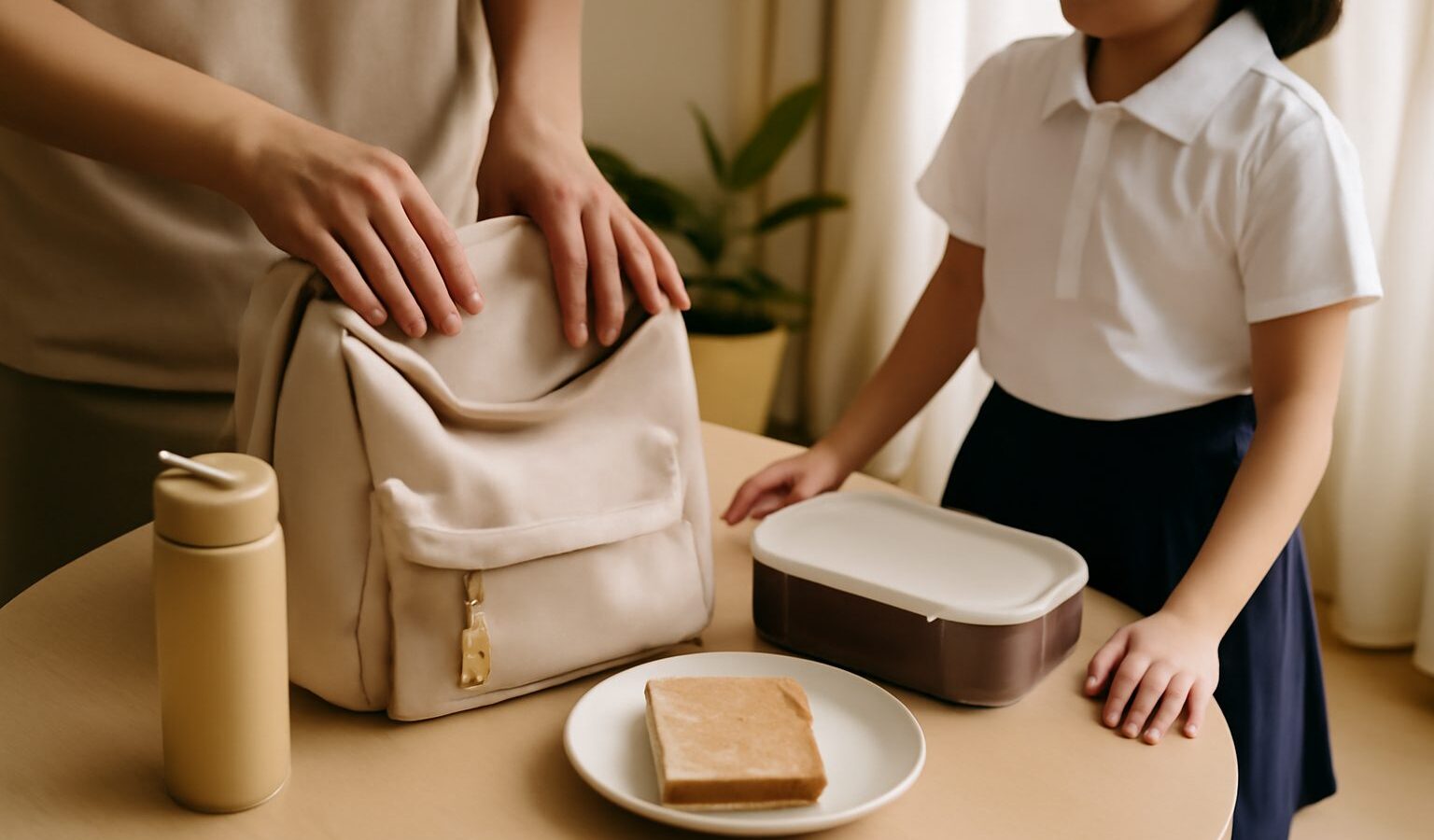
The jump from a cosy preschool to a big primary school is one of the largest a young child makes, and it happens fast. One December they are in a familiar room with a handful of friends and a teacher who ties their shoelaces, and by January they are navigating longer days, a bustling canteen and a campus that can feel enormous. The preschool to primary transition asks a lot of a six-year-old, and a little preparation at home turns a daunting leap into a series of manageable steps.
The reassuring part is that children are more adaptable than we fear, and Primary One is designed with new pupils in mind. Your job is not to drill your child into readiness but to build the everyday independence and calm that let them settle in.
What Actually Changes in Primary One
It helps to name the real differences, because much of a child’s worry comes from the unknown. The school day is longer and more structured, with fixed lessons, recess and assembly rather than the gentler flow of preschool. Classes are larger, so a child gets less one-to-one attention and needs to follow instructions given to the whole group. There is more to keep track of too: a timetable, different subjects, a school bag to pack, and belongings that are now their own responsibility.
Two changes tend to loom largest for little ones. The first is recess, where they must buy their own food, handle a bit of money and eat within a set time in a noisy canteen. The second is simply the scale of the place, from finding the toilet to remembering the way back to class. None of this is beyond a six-year-old, but each piece is a skill worth practising before term starts rather than on day one.
Build Independence Before Term Starts
The children who settle most smoothly are usually the ones who can manage themselves in small ways. These are practical, learnable skills, and the school holidays before Primary One are the perfect time to practise them without pressure.
Focus on the everyday basics:
- Toileting and hygiene. Make sure your child can use the toilet fully on their own, including managing their uniform and washing their hands.
- Eating within a time limit. Practise finishing a meal in about twenty minutes so recess does not catch them out.
- Dressing and shoes. Putting on their own shoes, socks and uniform, and fastening a school bag, saves many small panics.
- Speaking up. Rehearse asking an adult for help, saying they need the toilet, or telling a teacher they feel unwell.
- Looking after belongings. Naming items together and getting your child to pack and unpack their own bag builds ownership.
Handling money is worth its own practice. Let your child buy a drink at the hawker centre, hand over coins and check the change, so the canteen feels familiar. Keep the amounts small and simple. There is no need to teach complex sums, just the confidence to pay and move on.
Handle Homework and New Routines Gently
Primary One brings the first taste of homework, and how you frame it early sets the tone for years to come. Keep it light and consistent rather than long and stressful. A short, calm slot at the same time each day, at a tidy table with the television off, helps a child learn that homework is just a normal part of the afternoon. Sit nearby to encourage rather than to hover, and let them attempt tasks before you step in.
Routines outside homework matter just as much. Longer school days are tiring, especially in the first months, so an earlier, steadier bedtime makes a real difference to mood and focus. Pack the school bag and lay out the uniform the night before to take the rush out of mornings. Build in downtime after school too, because a child who has concentrated all day needs space to unwind, play and simply be little again before any work begins.
Here is how a few daily habits shift from preschool to Primary One, and how to prepare for each.
| Daily habit | In preschool | In Primary One | How to prepare |
|---|---|---|---|
| Length of day | Shorter, flexible flow | Longer, fixed timetable | Move bedtime earlier before term |
| Meals | Food provided and supervised | Buy and eat at recess | Practise paying and eating on time |
| Belongings | Adults help keep track | Child manages their own bag | Pack and unpack the bag together |
| Learning tasks | Play-based, little homework | Short daily homework | Set a calm, consistent work slot |
Treat the table as a starting point, not a checklist to master overnight. Children grow into these habits over the first term, and a patient, encouraging tone teaches them far more than a rushed one.
Support the Emotional Side of the Move
Behind all the practical skills sits a child’s need to feel safe. Talk about the new school in warm, matter-of-fact terms in the weeks beforehand, and if orientation is offered, go along so the campus feels less strange. Walk or drive past the school, look at photos together, and let your child ask questions. Naming worries out loud, whether about getting lost or making friends, takes some of their power away.
Be ready for the settling-in to be bumpy. Some children are cheerful at drop-off and tearful at home once the day catches up with them, while others cling in the morning and are perfectly happy by recess. A few clingy mornings or an upset tummy in the first weeks are common and usually pass as the routine becomes familiar. Keep goodbyes short, warm and confident, since a long, anxious farewell often makes things harder. Your calm signals to your child that this new place is safe.
If, after several weeks, your child is still deeply distressed, refusing school, or clearly not coping, that is the time to reach out to their form teacher or the school counsellor. Schools expect this and would far rather hear from you early. This is general guidance for a normal transition, not a substitute for the school’s support or professional advice when a child truly needs it.
Keep Perspective Through the First Term
The move from preschool to primary is a term-long adjustment, not a single morning to get right. There will be forgotten water bottles, lost jackets and the occasional meltdown, and none of it means your child is failing to cope. Celebrate the small wins, such as the first time they buy recess on their own or come home proud of a new friend, because those moments are the transition working. Stay in gentle touch with the teacher, keep your routines steady, and trust that most children who feel supported at home find their feet well before the year is out.
Explore more
For a fuller checklist of getting ready, read our guide to preparing your child for Primary One. To make that first homework slot stick without tears, see building a homework routine for kids, and for the longer game of learning well, explore building good study habits in children.
Related across Sky Media: School Transitions: Preschool to Primary to Secondary