
If you have browsed serums and ampoules lately, you have probably seen propolis on the label, often paired with words like glow, soothing or barrier. Propolis skincare in Singapore has a loyal following, partly because it fits our warm, sticky climate surprisingly well. Before you add a golden drop of it to your routine, it helps to know what propolis actually is, what it can realistically do for your skin, and one important safety note about bee allergies. This guide keeps things practical and honest.
What Propolis Actually Is
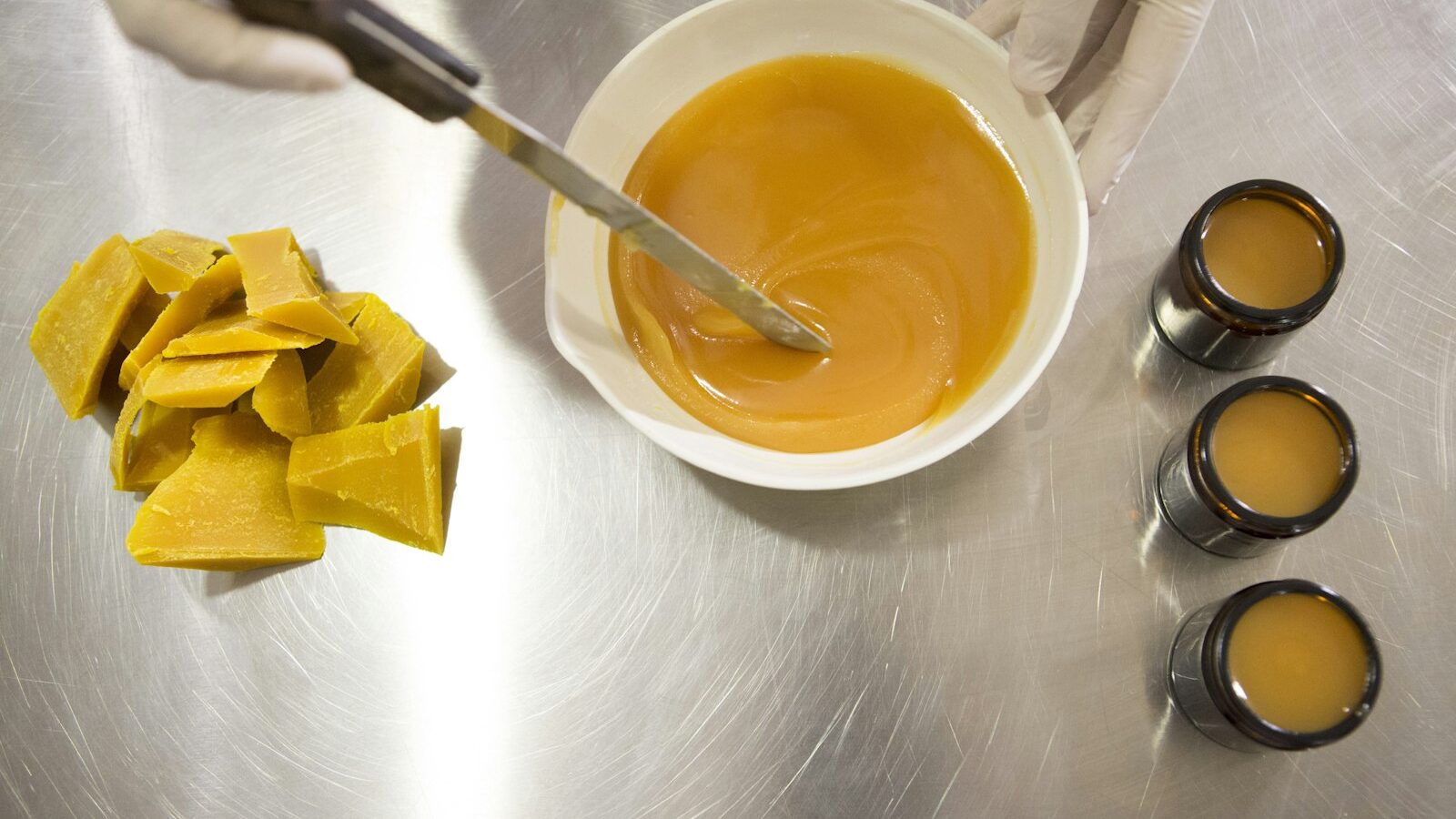
Propolis is a resin-like substance that honeybees make by mixing plant and tree saps with their own secretions and beeswax. Bees use it as a kind of natural sealant and coating inside the hive. In skincare, propolis is collected, cleaned and turned into an extract, which is why you will often see it listed as propolis extract on an ingredient list.
Chemically, propolis is a mixed bag rather than a single active. It contains flavonoids, various plant compounds and other antioxidants, and its exact makeup changes depending on where the bees foraged and which plants were nearby. That variability is part of the charm and part of the challenge, because no two batches are identical.
It is worth being clear from the start: propolis is a bee product. If you have a known allergy to bees, bee stings, honey, pollen or other bee products, you should be cautious. Patch test carefully, and if you are truly allergic, it is safest to avoid propolis entirely and choose a different soothing ingredient. If you have ever had a serious allergic reaction to anything bee-related, speak to a doctor before trying it.
What Propolis Can Do For Your Skin
Most people reach for propolis for three loose reasons: to calm, to hydrate lightly and to add antioxidant support.
- Soothing and comfort. Propolis is popular in products aimed at stressed, reactive or blemish-prone skin because many users find it feels calming. If your skin runs sensitive, you may also want to read our guide to caring for sensitive skin alongside this one.
- Antioxidant support. The flavonoids and plant compounds in propolis are antioxidants, which in general help skincare formulas defend against everyday environmental stress. This does not replace sunscreen, but it complements it.
- A light, dewy finish. Propolis ampoules often leave a soft glow without feeling greasy, which suits humid weather better than a heavy occlusive.
Honesty check: a lot of the excitement around propolis comes from traditional use and small studies rather than large, definitive human trials on skincare. It is a pleasant, generally well-tolerated ingredient for many people, but it is not a miracle worker and it will not clear stubborn acne, fade deep scarring or replace treatment for a real skin condition. Think of it as a supporting player, not the lead.
Who It Suits, And Who Should Be Careful
Propolis tends to suit normal, combination and blemish-prone skin that wants a bit of comfort and glow without heaviness. Dry skin can enjoy it too, usually layered under a richer moisturiser.
Be careful, or skip it, if you have any bee, honey or pollen allergy. Pregnant and breastfeeding readers, or anyone managing a skin condition, should check with a doctor before adding new actives of any kind. And as with every new product, introduce propolis on its own so you can tell how your skin responds.
How To Use Propolis In Humid Singapore
Our climate rewards light, buildable layers, and propolis plays nicely with that approach.
- Patch test first. Because it is a bee product, this step matters more than usual. Apply a small amount to your inner forearm or behind the ear for a few days before putting it on your face. Our patch testing guide walks through the method.
- Slot it in as a serum or ampoule. After cleansing and any watery toner, apply propolis, then follow with moisturiser and, in the morning, sunscreen. For the full sequence, see how to layer your skincare in the right order.
- Keep the rest light. In humidity, a propolis ampoule plus a gel moisturiser is often plenty. Save heavier creams for aircon-dry nights or travel.
- Pair thoughtfully. Propolis generally sits well with hydrators and calming ingredients. If you also use strong actives like acids or retinoids, introduce them separately so you know what is doing what, and lean on barrier-friendly steps from our guide to repairing your skin barrier if things feel irritated.
Because propolis can vary in consistency, some versions feel slightly tacky. In humid weather, a little goes a long way, so start with a few drops rather than slathering it on.
The Honest Limits
Propolis is a well-liked, generally gentle ingredient with antioxidant and soothing potential, but the evidence for dramatic results is limited and its composition is inconsistent by nature. It is a nice-to-have, not a cure. It does not treat medical skin conditions, and it is not suitable for people with bee-related allergies.
This article is general cosmetic information, not medical advice. If you have persistent acne, eczema, rosacea, a suspicious spot, or any reaction that will not settle, please see a doctor or dermatologist. Used sensibly, with a proper patch test and realistic expectations, propolis can be a comforting, glow-friendly addition that copes well with Singapore humidity.