
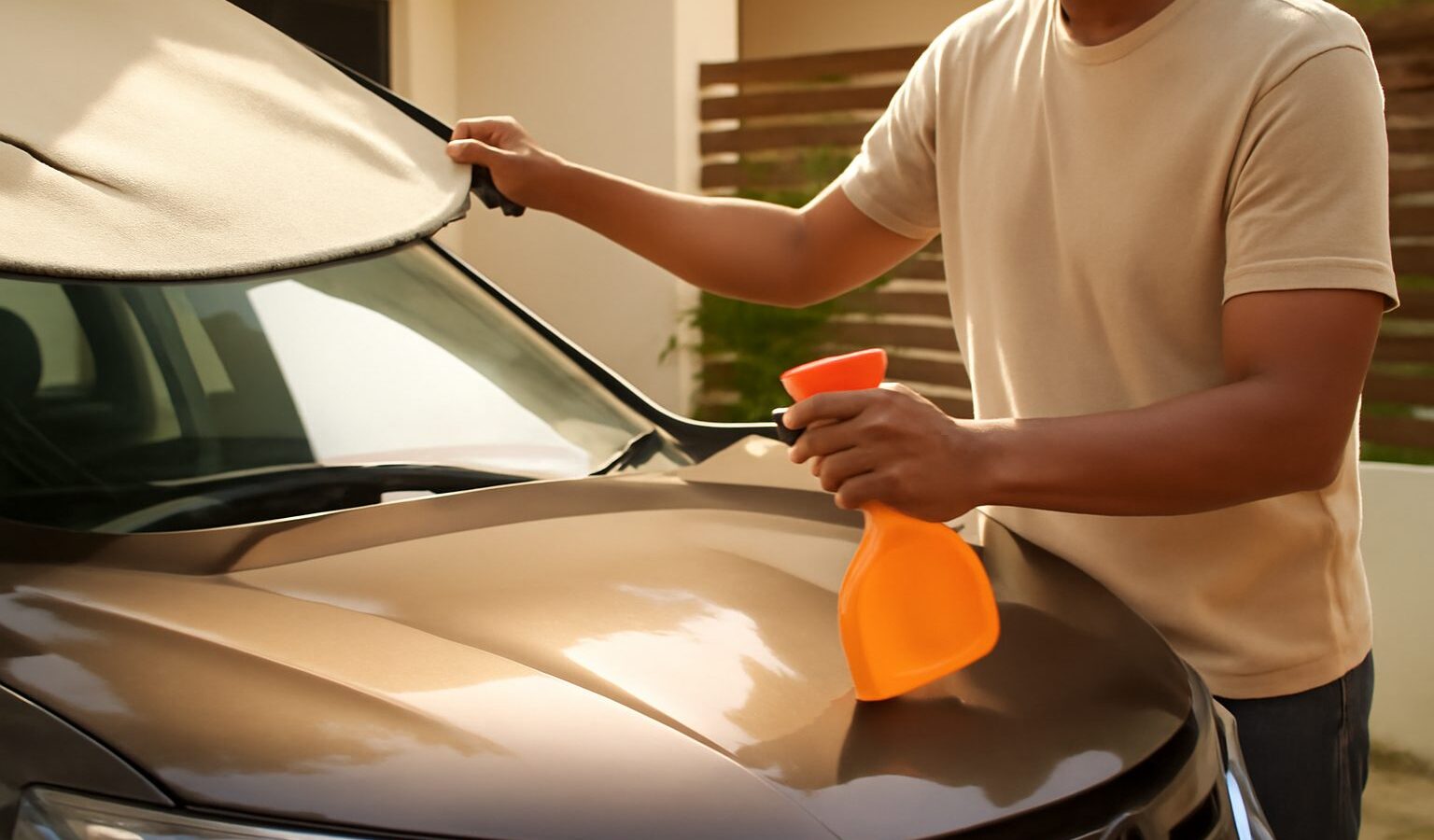
Singapore sits almost on the equator, so your car bakes under strong, near-vertical sunshine all year round. That relentless ultraviolet light, combined with heat, haze and the occasional acidic downpour, is hard on paintwork. Protecting car paint here is less about one expensive treatment and more about a few sensible habits repeated over the life of the car. This guide explains what the sun actually does to your paint and the practical, honest steps that help keep it glossy. It is general information to help you care for your car, not a substitute for advice from a trusted workshop or detailer.
What the Tropical Sun Does to Your Paint
Modern car paint is built in layers. On top sits a clear coat, a thin transparent film that carries the gloss and shields the coloured layer beneath. Ultraviolet radiation slowly breaks down the binders in that clear coat. Over years of tropical exposure you may see fading, a chalky or dull look, and in bad cases the clear coat peeling or flaking, most often on flat, sun-facing panels like the roof, bonnet and boot lid.
Heat makes things worse. A dark car parked in the open can get extremely hot to the touch, which speeds up chemical breakdown and bakes on any dirt or droppings left on the surface. Our frequent haze adds fine particles that settle on the paint, and the sudden monsoon rain that follows a hot day can be mildly acidic, leaving spots if it dries in the sun. None of this ruins a car overnight, but left unchecked over years it dulls the finish and can hurt resale value.
Park Smart and Use Shade
The cheapest paint protection is shade, and the easiest habit is choosing where you park.
- Use covered or basement carparks whenever you can, such as HDB multi-storey decks, condo basements and mall carparks. A roof over the car removes most direct UV and keeps the surface far cooler.
- If you must park in the open, look for genuine shade from a building or trees, but weigh it up: tree cover invites bird droppings and sticky sap, which bring their own problems.
- Try to vary where the sun hits. Reversing in versus driving in changes which panels face the afternoon sun over time.
- For a car that lives outdoors, a proper breathable car cover is worth considering. Choose a soft-lined, correctly sized cover and only fit it on a clean, dry car, as grit trapped underneath can rub fine scratches into the paint. Avoid cheap plastic tarpaulins that flap and scuff in the wind.
Shade will not do everything, but reducing daily UV and heat load is the single biggest favour you can do your paintwork.
Wash Regularly and Wash Correctly
Washing is protection, not just cosmetics. Dirt, haze particles, dead insects and bird droppings all sit on the clear coat and attack it, so removing them promptly matters more than getting a mirror shine.
- Rinse first. Flush loose grit off with plenty of water before you touch the paint, so you are not grinding sand into it.
- Use two buckets, one with car shampoo and one with clean water to rinse your mitt. This keeps grit out of the soapy water.
- Use a proper car shampoo, never dishwashing liquid or household detergent, which strip protective layers and dry out trims and seals.
- Wash top to bottom, working in sections, and rinse the mitt often. The lower body and wheels are dirtiest, so do them last.
- Dry with a clean microfibre cloth. Letting a car air-dry in our sun leaves mineral water spots that are annoying to remove.
Wash in the shade or early morning, not under the midday sun, because water and shampoo dry too fast on a hot panel and leave streaks. A fortnightly wash suits most cars in Singapore, more often if you park under trees or drive dusty routes.
Deal With Bird Droppings and Sap Immediately
Bird droppings are one of the most common causes of paint damage here, and they are urgent. They are acidic and, baked by the sun onto a hot panel, they can etch a permanent mark into the clear coat within hours. Tree sap and dead insects behave similarly.
The rule is simple: remove them as soon as you notice. Dampen a soft microfibre cloth with water or a little quick-detailer spray, lay it over the spot to soften the mess, then wipe gently without scrubbing. Never rub a dry dropping, as the grit acts like sandpaper. If a dull etched patch remains after cleaning, that is clear-coat damage, and a professional detailer can advise whether light polishing will help.
Waxing, Sealants and Coatings Explained
A protective top layer gives UV and contaminants something to attack before they reach your clear coat, and it makes washing easier. There are three broad options, described generically as products and prices vary widely.
| Protection type | Roughly how long it lasts | Effort and cost | Best for |
|---|---|---|---|
| Natural or synthetic wax | Weeks to a couple of months | Cheap, DIY, reapply often | Owners who enjoy regular hands-on care |
| Paint sealant | Several months | Moderate, DIY-friendly | A longer-lasting, low-fuss barrier |
| Professional ceramic coating | A year or more | Higher cost, done by a detailer | Set-and-forget durability and gloss |
Wax is the traditional choice: affordable and easy to apply yourself, but it wears off quickly in our heat and rain, so you reapply every month or two. A synthetic sealant lasts longer for a similar effort. A professional ceramic coating bonds a harder, longer-lasting layer and resists UV and water spotting well, but it costs more and needs proper surface preparation, so it is a job for an experienced detailer. Whichever you pick, no coating makes paint scratch-proof or removes the need to wash, and none of them undoes existing damage.
A Simple Year-Round Routine
Protecting car paint comes down to consistency rather than any single product. A realistic routine for Singapore looks like this:
- Park under cover whenever possible, and use a good cover if the car lives outdoors.
- Wash every week or two, in the shade, with proper car shampoo and the two-bucket method.
- Remove bird droppings, sap and insects the moment you spot them.
- Reapply wax or sealant on schedule, or maintain a coating as the detailer advises.
- Once or twice a year, inspect flat panels for early dullness or fading and act before it spreads.
Expect effort rather than magic. Paint care is ongoing, and the payback is a car that still looks sharp and holds its value years later. For deeper problems such as etched clear coat, oxidation or peeling, see a qualified detailer or workshop rather than reaching for aggressive DIY abrasives that can make matters worse.