
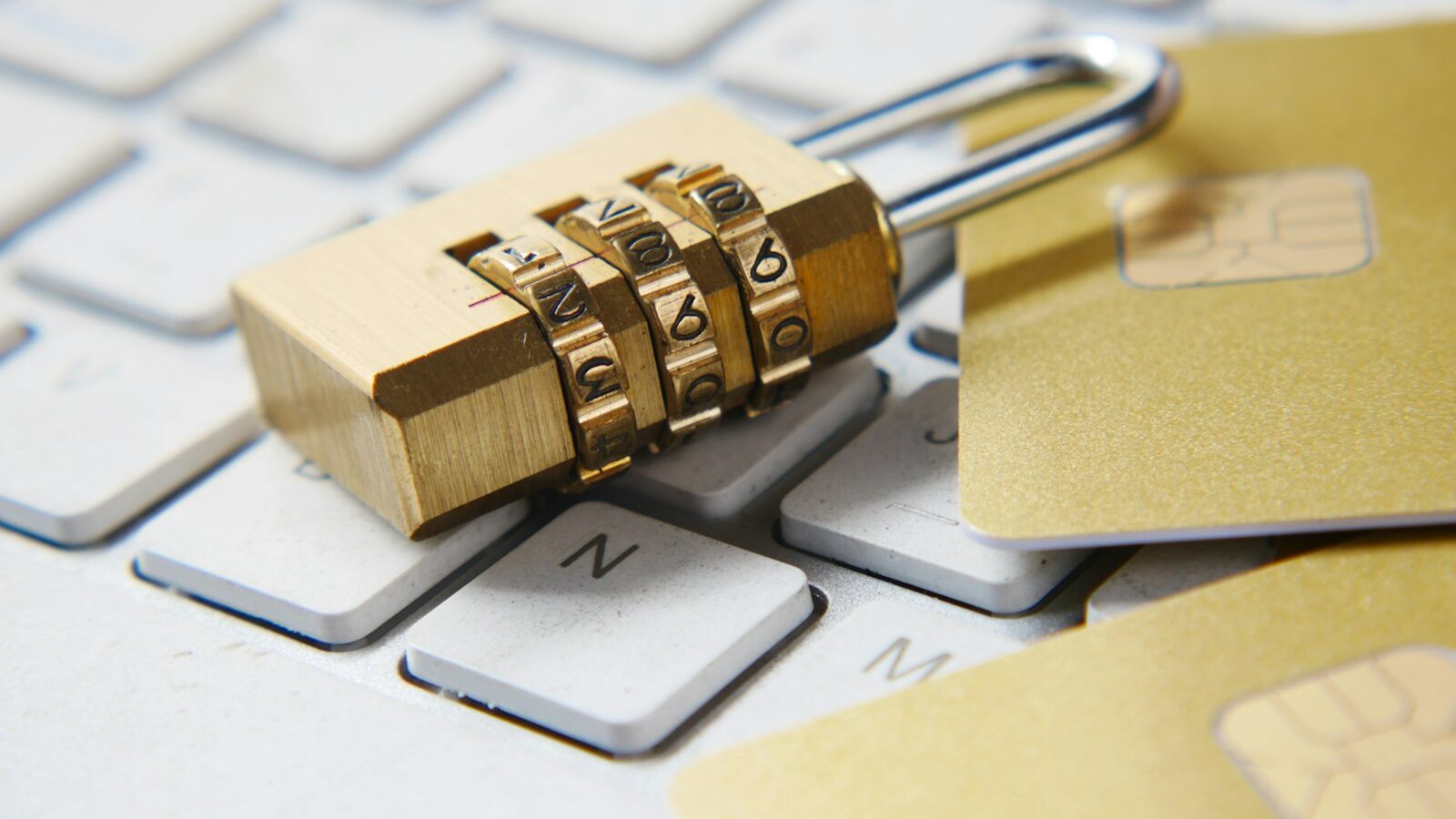
Your personal data is valuable, and protecting it online is increasingly important. This guide covers why it matters, practical steps, good habits, and staying in control of your personal information. This is a general overview.
Why protecting your data matters
Your personal data, information about you, your activities, accounts and identity, is valuable and worth protecting, especially as so much of life now involves sharing data online. Protecting your data online matters because misuse or exposure of personal information can lead to problems such as fraud, scams, identity issues, privacy loss, and other harms. As data is collected, shared and stored by many services, and as threats like data breaches and scams exist, taking sensible steps to protect your data helps safeguard your privacy, security and peace of mind. Being mindful and proactive about your data is an important part of a safe digital life. Understanding why protecting your data online matters, that personal data is valuable and its misuse can cause real harm, helps you take data protection seriously, so you can adopt sensible habits and precautions to safeguard your personal information, privacy and security online, an increasingly important responsibility as more of life involves sharing and storing data digitally.
Practical steps
| Step | Broadly |
|---|---|
| Strong account security | Passwords and authentication |
| Mindful sharing | Limiting what you share |
| Privacy settings | Controlling your information |
| Scam awareness | Guarding against threats |
Several practical steps help protect your data online. Strong account security is foundational, using strong, unique passwords, enabling available authentication features, and keeping login credentials private. Mindful sharing means being thoughtful about what personal information you share online, with whom, and on which platforms, sharing only what is necessary and appropriate. Privacy settings on accounts, apps and services let you control who sees your information and how it is used, so reviewing and adjusting them is worthwhile. Scam awareness, guarding against phishing, fraud and deceptive attempts to obtain your data, is essential. Keeping devices and software secure also protects your data. Understanding these practical steps, strong account security, mindful sharing, privacy settings, and scam awareness, helps you take concrete action to protect your data, so you can safeguard your personal information through sensible, effective measures, reducing the risk of your data being exposed, misused or stolen, and taking practical control of your online privacy and security.
Good habits
Beyond specific steps, protecting your data online is largely about maintaining good, ongoing habits and awareness. Cultivate a mindful, security-conscious approach to your online activity, thinking before you share, click or provide information, and staying alert to risks. Regularly review your account security, privacy settings and the apps and services you use. Keep informed about online risks and good practices, as these evolve. Be cautious with unfamiliar or untrusted sites, links and requests. Treat your personal data as valuable and worth guarding as a matter of routine. Consistent good habits provide far more protection than one-off measures. Understanding the importance of good habits, a mindful, security-conscious approach, regular review, staying informed, and routine caution, helps you protect your data effectively over time, so that safeguarding your personal information becomes a natural, ongoing part of how you use the internet, providing consistent, lasting protection rather than sporadic or reactive efforts, which is the most effective way to keep your data safe amid evolving digital risks.
Staying in control
Protecting your data online is ultimately about staying in control of your personal information, deciding what you share, with whom, and how it is used, as far as you can. Be aware that services collect and use data, understand and use the privacy controls available to you, and make deliberate choices about the platforms and services you use and the information you provide. Being an informed, intentional user, rather than sharing carelessly or ignoring privacy, helps you retain meaningful control over your data. While complete control is not always possible, sensible awareness and choices significantly improve your privacy and security. Understanding how to stay in control of your data, by being aware of data collection, using privacy controls, and making deliberate choices about sharing and services, helps you take an active, empowered approach to your online privacy, so you retain as much control as possible over your personal information, making informed decisions rather than passively surrendering your data, which puts you in a stronger position to protect your privacy and security online.
Balancing privacy and convenience
Protecting your data online involves balancing privacy with the convenience and benefits of digital services, which often involve sharing some data. The goal is not to avoid all digital services but to use them thoughtfully, being mindful of the data involved and taking sensible precautions, so you enjoy their benefits while protecting your privacy and security where it matters most. Consider the trade-offs of the services you use, apply stronger protection to more sensitive data and accounts, and make informed choices suited to your comfort level. A balanced, sensible approach lets you participate fully in digital life while safeguarding your data. Understanding how to balance privacy and convenience, using digital services thoughtfully while taking sensible precautions and protecting what matters most, helps you protect your data realistically in a connected world, so you can enjoy the benefits of digital services and online life while maintaining sensible, effective protection of your personal information, striking a practical balance rather than either neglecting privacy or forgoing the conveniences of modern digital life.
The takeaway
Your personal data is valuable, and protecting it online is increasingly important, as misuse or exposure can cause real harm such as fraud, scams and privacy loss. Practical steps, strong account security, mindful sharing, using privacy settings, and scam awareness, provide concrete protection, while good, ongoing habits, a mindful, security-conscious approach, regular review, and staying informed, offer the most effective, lasting defence. The goal is to stay in control of your personal information through awareness and deliberate choices, balancing privacy with the convenience of digital services by using them thoughtfully and protecting what matters most. With sensible habits and precautions, you can enjoy digital life while safeguarding your data, privacy and security. This is a general overview to help you protect your data online.
Explore more: VPNs and online privacy · Password security and managers · Cybersecurity basics in Singapore