
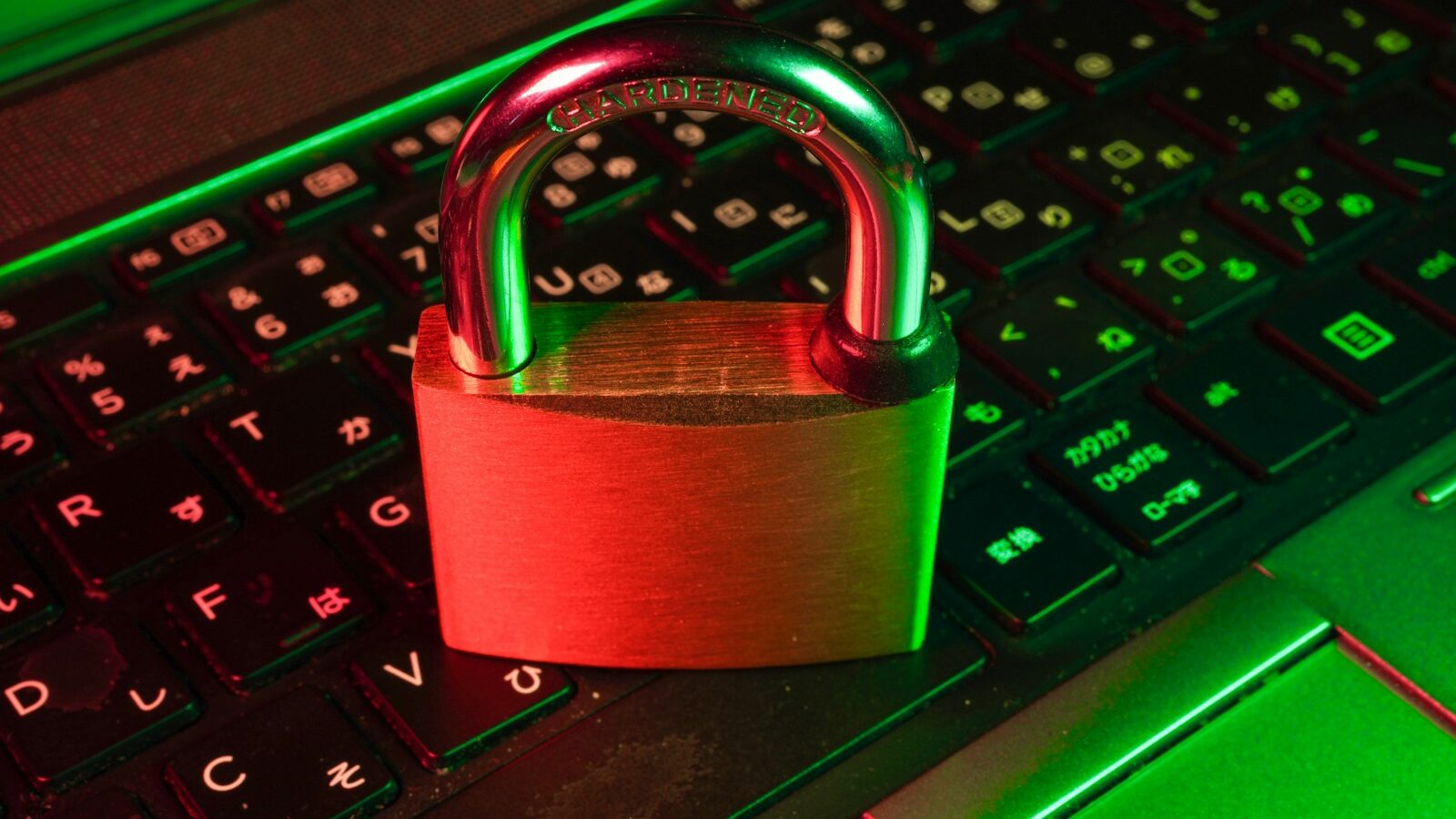
Passwords are the front line of your online security, and managing them well is essential. This guide covers why strong passwords matter, good practices, password managers, and extra security. This is a general overview for everyone.
Why password security matters
Passwords are the front line of your online security, protecting access to your accounts, information, money and digital life. Weak, reused or compromised passwords are a common way accounts get hacked, so good password security is one of the most important and accessible things you can do to protect yourself online. With so many accounts and the prevalence of threats like data breaches and hacking, managing passwords well matters more than ever. Fortunately, good password practices, and tools like password managers, make strong security achievable for everyone. Understanding why password security matters, that passwords are the key defence protecting your accounts and digital life, and that weak or reused ones are a common vulnerability, helps you prioritise it as a fundamental part of your online safety, so you can adopt the strong password practices and tools that provide effective, accessible protection for your accounts and personal information against the common threat of account compromise.
Good password practices
| Practice | Broadly |
|---|---|
| Strong passwords | Long, complex, hard to guess |
| Unique per account | Not reusing passwords |
| Keep them private | Never share or expose them |
| Update when needed | Change compromised passwords |
Several good password practices greatly improve your security. Use strong passwords, long and complex enough to be hard to guess or crack, rather than simple, common or predictable ones. Use unique passwords for different accounts, so that if one is compromised, others remain safe, reusing passwords is a major risk. Keep your passwords private, never sharing them or exposing them to others or to phishing attempts. Change passwords when needed, such as if an account may be compromised or a breach occurs. Managing many strong, unique passwords is challenging, which is where password managers help greatly. Understanding good password practices, strong, unique, private passwords, updated when needed, helps you protect your accounts effectively, so you can significantly reduce the risk of account compromise through these fundamental habits, addressing the most common password vulnerabilities, with tools like password managers making these practices practical to maintain across your many accounts.
Password managers
Password managers are tools that help you create, store and manage strong, unique passwords for all your accounts, securely, so you do not have to remember them all or resort to weak or reused passwords. A password manager can generate strong passwords, store them securely, and fill them in when needed, meaning you only need to remember one strong master password (and secure that well). This makes it practical to follow good password practices across all your accounts, solving the challenge of managing many strong, unique passwords. Using a reputable, trustworthy password manager is important, as is securing it well. For most people, a password manager greatly improves both security and convenience. Understanding how password managers help, by securely creating, storing and managing strong, unique passwords so you need only remember one master password, helps you see them as a valuable tool, so you can consider using a reputable password manager to make strong password security practical and convenient across all your accounts, overcoming the difficulty of managing many strong passwords and substantially strengthening your online security.
Extra security
Beyond strong passwords, additional security measures further protect your accounts. Two-factor or multi-factor authentication, which requires a second verification step beyond your password, adds a valuable extra layer of protection, so enabling it where available is highly recommended, as it significantly improves security even if a password is compromised. Being alert to phishing and scams that try to steal passwords and codes is essential, never enter your credentials in response to suspicious requests. Keeping your devices and accounts secure, and monitoring for unusual activity, also helps. Combining strong passwords with these extra measures provides robust protection. Understanding the value of extra security, especially two-factor authentication, alongside phishing awareness and device security, helps you strengthen your online protection beyond passwords alone, so you build robust, layered security for your accounts, significantly reducing the risk of compromise even if a password is exposed, which is increasingly important given the prevalence and sophistication of online threats.
Building good habits
Effective password and account security comes down to building and maintaining good habits consistently. Make strong, unique passwords, ideally via a password manager, and two-factor authentication your standard practice across your accounts. Stay alert to phishing and scams, keep your devices and software secure, and address any compromised accounts or breaches promptly. Review and improve your security over time, and extend good practices to all your important accounts. These habits, once established, provide strong, ongoing protection with little effort. Encouraging good password habits among family, including those less tech-savvy, extends the benefit. Understanding that good security comes from consistent habits, standard use of strong unique passwords, password managers and two-factor authentication, plus phishing awareness and device security, helps you build lasting, effective protection, so that safeguarding your accounts becomes a natural, ongoing part of your digital life, providing robust security against the common threats to your accounts and personal information with minimal ongoing effort once the habits are in place.
The takeaway
Passwords are the front line of your online security, and managing them well is one of the most important and accessible things you can do to protect your accounts, information and digital life. Good practices, strong, unique, private passwords, updated when needed, address the most common vulnerabilities, and password managers make these practical by securely creating, storing and managing strong passwords so you need only remember one master password. Extra security, especially two-factor authentication, along with phishing awareness and device security, provides robust, layered protection. Building these into consistent habits gives lasting, effective security with little ongoing effort. Prioritising password security is a fundamental, accessible way to keep yourself safe online. This is a general overview for everyone.
Explore more: Protecting your data online · Cybersecurity basics in Singapore · Cybersecurity for seniors