
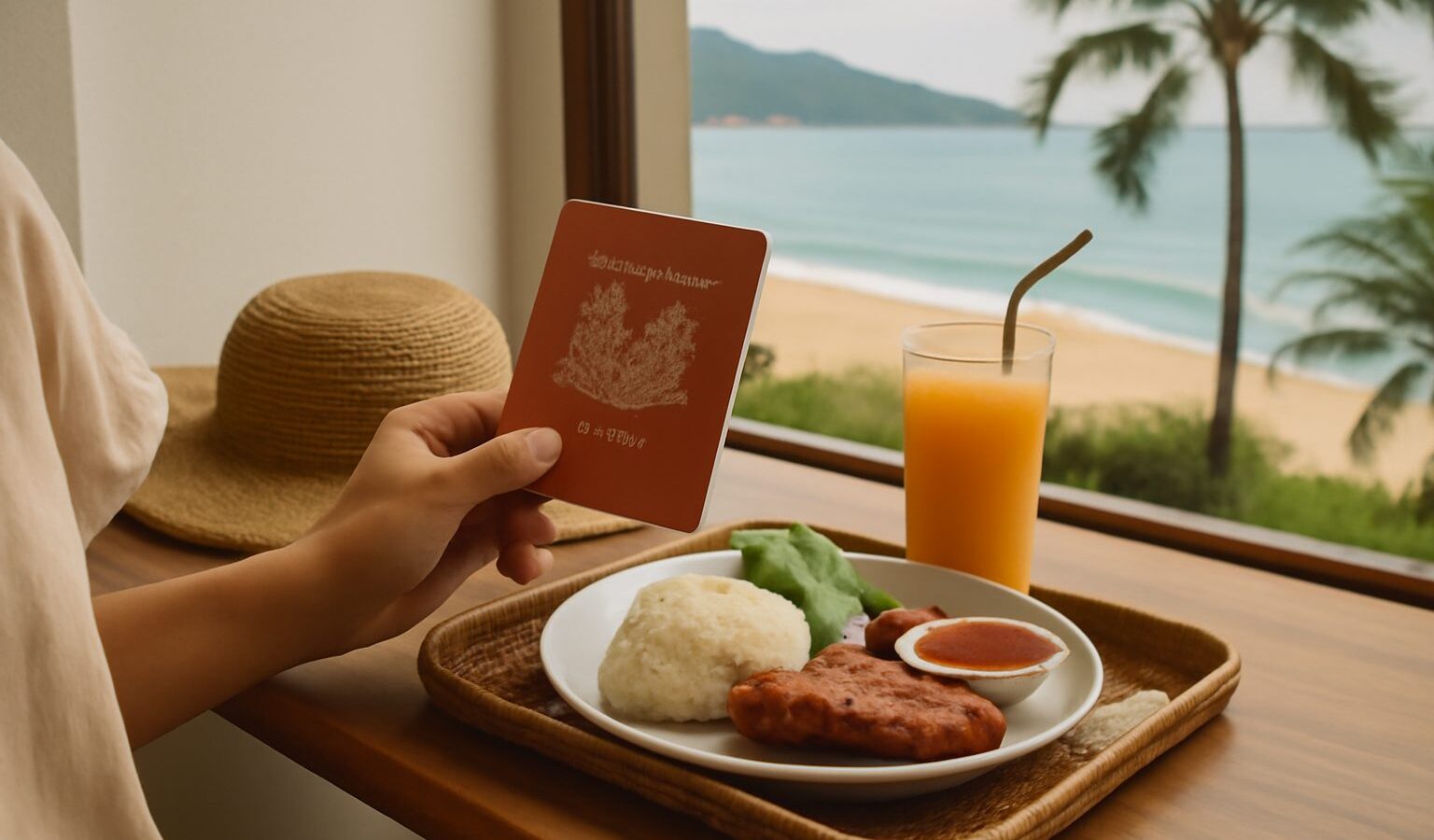
Most Singaporeans who want a Vietnamese beach think of Da Nang, Nha Trang or Phu Quoc. Quy Nhon rarely makes the list, and that is exactly its appeal. This coastal city on Vietnam’s south central coast has a long town beach, rocky coves to the north, a working fishing culture and seafood that is cheap by Singapore standards, without the high-rise resort strips that crowd its better-known neighbours.
This guide covers how to reach Quy Nhon from Singapore (almost always through Ho Chi Minh City), how to split your days, and why it rewards a slower, less scheduled trip. Flight routes and schedules change often, so treat the routes below as patterns and check current options with the airlines before booking.

Where Quy Nhon Is and What Makes It Different
Quy Nhon sits roughly halfway between Ho Chi Minh City and Da Nang on the central coast. It was historically the main city of Binh Dinh province, and following Vietnam’s 2025 administrative reorganisation of provinces, you may see it listed under a merged province in newer maps and booking sites. The town itself has not changed: a crescent of sand facing the South China Sea, a promenade lined with seafood restaurants, and hills that drop straight into the water.
What sets it apart for a Singapore traveller:
- Pace. There is no nightlife strip to speak of. Evenings mean a walk along the beachfront and a plastic stool at a seafood stall.
- A real city, not a resort enclave. People live and work here. Mornings start early with fishing boats coming in and locals exercising on the sand.
- Variety within a short drive. The Eo Gio and Ky Co areas to the north offer clear water and dramatic rock formations, while Cham towers in and around the city add history.
If you have already done the classic cities in our Vietnam from Singapore overview, Quy Nhon is a natural next step.
Getting There: Routes via Ho Chi Minh City
There is generally no direct flight from Singapore to Quy Nhon, so plan on one connection. The most common route is Singapore to Ho Chi Minh City (Tan Son Nhat), then a short domestic flight to Phu Cat Airport, which serves Quy Nhon and sits some distance inland from the city. Hanoi and Da Nang are alternative gateways, but Ho Chi Minh City usually offers the most connections from Singapore.
| Route option | How it works | Best for |
|---|---|---|
| Fly SIN to HCMC, connect same day to Phu Cat | One booking or two separate tickets; transfer at Tan Son Nhat domestic terminal | Short trips where every day counts |
| Fly SIN to HCMC, overnight, fly next morning | A night in Saigon breaks up the journey | Families, or travellers wary of tight self-transfers |
| Fly SIN to Da Nang, then train or domestic flight south | Combine Hoi An or Hue with Quy Nhon | Longer trips covering the central coast |
| Train from HCMC or Nha Trang to Dieu Tri station | Reunification Express line; then a short ride into Quy Nhon | Slow travellers who enjoy rail journeys |
A few practical points on connections:
- Separate tickets carry risk. If your international and domestic flights are on separate bookings and the first is delayed, the second airline has no obligation to rebook you. Leave a generous buffer or overnight in Ho Chi Minh City.
- International to domestic transfers at Tan Son Nhat usually mean clearing immigration, collecting bags and walking to the domestic terminal to check in again. Check the airport’s current guidance.
- From Phu Cat to town, use an airport shuttle, a metered taxi or a ride-hailing app.
- Entry rules for Singapore citizens have been visa-exempt for short stays for many years, but always confirm current Vietnam entry requirements with the Vietnamese authorities or your airline before you fly. Other passport holders should check e-visa rules.
How to Spend a Slow Week in Quy Nhon
Quy Nhon works best when you resist the urge to tick off a list. A loose structure helps:
Days one and two: settle into town. Walk the beachfront promenade at sunrise and sunset, when it is most lively and least hot. Visit the Twin Towers (Thap Doi), a pair of Cham towers right in the city, and wander the local market to see the morning’s catch.
Day three: head north to the coves. The coastal road north of the city leads to Eo Gio, a dramatic headland with walking paths, and to Ky Co, a sheltered bay with clear water that is often reached by boat or a short drive and walk. Go early, carry plenty of water and wear proper footwear on rocky paths.
Day four: a beach village day. Small fishing villages near the city, such as Bai Xep, offer guesthouses, rocky swimming spots and a slower pace even than central Quy Nhon. Some travellers spend a night or two there instead.
Days five onwards: repeat what you liked. Return to the cove you loved, book a massage, take a cooking lesson through your accommodation, or simply read on the beach.
Safety notes for the coast:
- Swim only where locals swim and check sea conditions. Rips and rough water can appear, especially outside the calmer season.
- The sun is strong and shade on rocky headlands is limited. Bring hats and sunscreen and drink more water than you think you need.
- Do not walk on coral or remove shells, and respect any signs restricting access to protected areas.
What to Eat in Quy Nhon
Seafood is the headline. Beachfront restaurants typically display live tanks and charge by weight, so confirm the price of a dish before it is cooked. Look out for:
- Banh xeo tom nhay, small crispy pancakes with tiny jumping prawns, a Quy Nhon speciality.
- Bun cha ca, a fishcake noodle soup popular across the central coast.
- Banh hoi, fine woven rice vermicelli sheets served with grilled meat.
- Grilled squid, scallops and snails from the evening stalls.
- Banh it la gai, a dark sticky rice cake that is a regional souvenir.
If you are moving between cities, our Hue travel guide covers another distinctive central Vietnamese food culture worth pairing with this trip.
Why Quy Nhon Suits Slower Trips
Quy Nhon is best for travellers who are tired of itineraries. It suits:
- Couples and solo travellers who want quiet beaches and long walks rather than shopping and clubs.
- Families with older children who enjoy swimming, boat rides and simple food, and who are happy without theme parks.
- Returning Vietnam visitors looking for something less polished than Da Nang.
It is less suitable if you want a big resort ecosystem, plenty of English signage, or nightlife. English is spoken in hotels but less so at street stalls, so a translation app helps.
Best Time to Go and Planning Tips
The central coast has a wetter season, typically in the later months of the year, when storms and rough seas are more likely. The drier months are generally better for swimming and boat trips. Weather patterns vary year to year, so check forecasts closer to your dates.
Before you go:
- Cash and cards. Larger hotels take cards, but markets and small eateries prefer Vietnamese dong in cash. ATMs are available in town.
- Getting around. Grab and local taxis work in town; for the coves, hire a car with driver through your hotel or a reputable operator.
- Connectivity. A local SIM or eSIM is useful for maps and ride-hailing.
- Travel insurance. Make sure it covers water activities and any motorbike riding, and check licence conditions if you plan to ride.
If Quy Nhon appeals but you want an even shorter hop, our guide to Ho Tram for a quiet Vietnam beach break covers a beach area within driving distance of Ho Chi Minh City. And for a taste of quiet coast without leaving home, there is always a St John’s Island weekend.
Further reading: Con Dao From Singapore: Vietnam’s Quiet Island Escape · Mui Ne From Singapore: Sand Dunes and Kitesurfing