
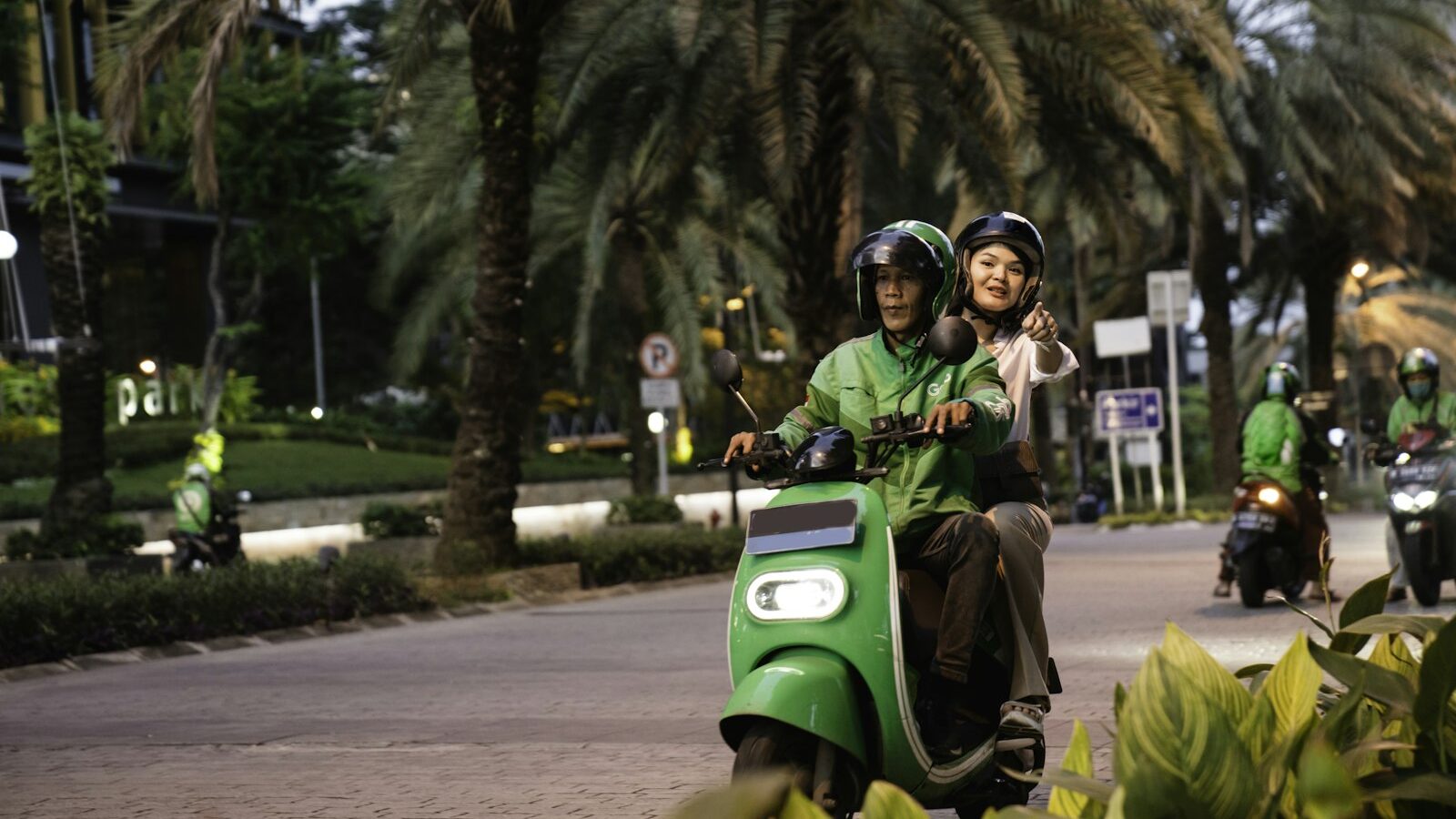
A trip to Vietnam from Singapore opens up a long, varied country of buzzing cities, beautiful coastline, misty highlands and some of the best food in the world, all for a short flight and a friendly budget. From the frenetic energy of the south to the historic north and the beach towns in between, Vietnam offers a different trip depending on where you land. This guide covers the main gateways, when to go, what to eat, and how to plan a route that suits a long weekend or a longer adventure.
Getting there
Vietnam has several international gateways, and the flight time from Singapore depends on which you choose:
- Ho Chi Minh City (SGN) in the south: roughly two hours.
- Da Nang (DAD) in the centre: roughly three hours.
- Hanoi (HAN) in the north: roughly three and a half hours.
Full-service and budget carriers serve these routes, with competitive fares when booked ahead. Treat any price as a rough guide, since it varies with season and holidays, and check current Vietnamese entry requirements, including any visa or e-visa rules, before you fly, as these are set by the authorities and can change.
Where to go
Because Vietnam is long and diverse, pick a region rather than trying to see it all in one short trip.
- Ho Chi Minh City (the south). Fast, modern and full of energy, with markets, history, rooftop bars and easy day trips to the delta and tunnels. A great first taste.
- Hanoi (the north). Atmospheric and historic, with a charming old quarter, lakes and food culture, and the gateway to the famous limestone bays and northern mountains.
- Da Nang and Hoi An (the centre). Beaches and a beautifully preserved ancient trading town, a favourite for a relaxed mix of coast and culture.
- Nha Trang and Phu Quoc. Beach and island destinations for those who mainly want sun and sea.
For a short trip, choose one hub. For a week or more, combine two, using domestic flights to bridge the distances.
When to go
Vietnam’s weather varies by region, since the country spans a long stretch of latitudes.
- The south is warm year-round, with a drier season roughly from late in the year into spring, and a wetter season mid-year.
- The centre tends to be driest and sunniest around the middle of the year, with a wetter, storm-prone spell towards the end.
- The north has a cooler winter and a hot, humid summer, with pleasant spring and autumn shoulder seasons.
Because conditions differ so much, check the outlook for the specific region you are visiting.
What to eat
Vietnamese food is a highlight in itself, fresh, balanced and endlessly varied. Do not miss:
- Pho, the iconic noodle soup, especially for breakfast.
- Banh mi, the crusty filled baguette.
- Fresh spring rolls and grilled meats over rich noodle salads.
- Regional specialities that change from city to city.
- Vietnamese coffee, strong and often served with condensed milk.
Eat where it is busy and freshly cooked, sit on the little plastic stools with the locals, and try the regional dishes each city is known for.
Things to do
- Wander old quarters and markets, and visit historic and cultural sites.
- Take a cruise among the famous limestone karst bays in the north.
- Relax on central and southern beaches, or explore an island.
- Explore the countryside, from the Mekong Delta to northern rice terraces.
- Enjoy the cafe culture and street-side coffee ritual.
- Join a cooking class to take the flavours home.
Budgeting and money
Vietnam is excellent value, with delicious street food and comfortable stays at modest prices. The currency is the Vietnamese dong; cash is still widely used, especially at markets and street stalls, though cards and mobile payments are increasingly accepted in cities. Carry small notes for street food and taxis, use reputable exchange outlets, and treat any prices you research as a rough guide.
Quick planning checklist
- Choose one region for a short trip; combine two for a longer one.
- Check passport validity and current Vietnamese entry and visa rules early.
- Book domestic flights ahead if bridging north and south.
- Carry cash in dong for street food and small vendors.
- Use ride-hailing apps in the cities for fair fares.
- Buy travel insurance for the trip.
Getting around
Within cities, ride-hailing apps for cars and motorbikes are cheap and convenient, and they take the guesswork out of fares. Between regions, short domestic flights save a lot of time given the distances, while trains and buses offer a slower, scenic alternative. Traffic in the big cities is famously busy, so cross roads calmly and steadily, and consider guided transport for day trips further afield.
Good to know before you go
- Traffic and crossing roads. City traffic, especially motorbikes, is intense. Cross slowly and steadily, and let the flow move around you rather than darting.
- Cash is king. Carry small notes in dong for street food, markets and short taxi rides, even as card and mobile payments grow in the cities.
- Ride-hailing. Apps for cars and motorbike taxis take the haggling out of getting around and are widely used.
- Bargaining. Gentle bargaining is expected at markets, but not in fixed-price shops and restaurants.
- Connectivity. A local SIM or eSIM is cheap and makes maps, translation and ride-hailing much easier.
Planning your route
For a long weekend, fly into one hub, Ho Chi Minh City or Da Nang for the shortest hops, and focus on that area’s food, culture and a single day trip. For a week or more, pair a city with the coast or the northern bays, using a domestic flight to connect them. Vietnam from Singapore rewards travellers who go deep rather than wide, so resist the urge to rush the whole country in one visit. Check the latest travel, health and weather advice from official sources before you go, and come with an appetite, because the food alone is worth the trip.
Explore more: Bangkok from Singapore, Weekend getaways from Singapore, Travel insurance in Singapore