
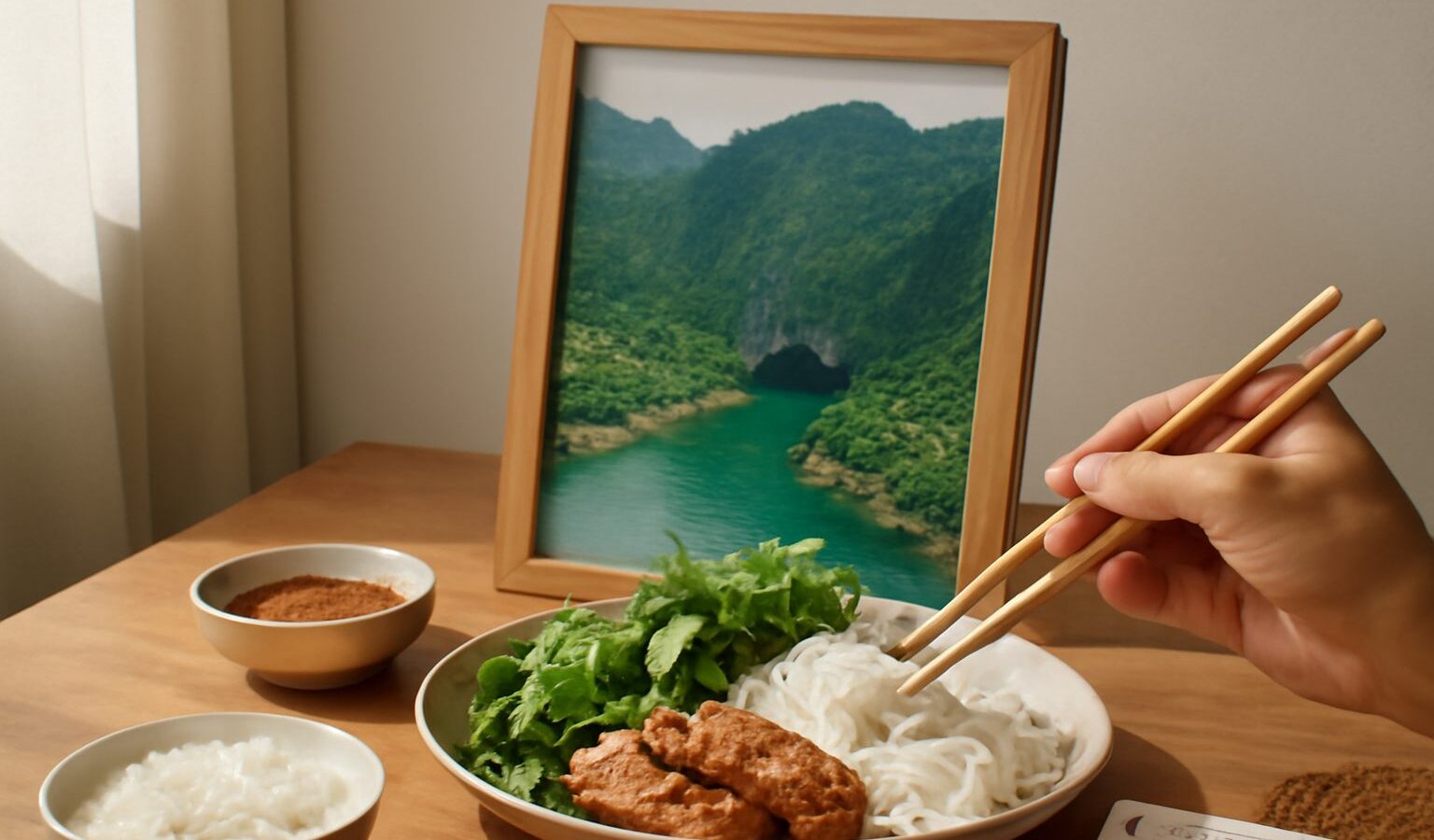
Getting to Phong Nha from Singapore takes a little more planning than a beach break, but the reward is extraordinary: the Phong Nha-Ke Bang National Park in central Vietnam holds some of the largest and most spectacular caves on Earth, set in a landscape of limestone karst, jungle and slow rivers. This UNESCO-listed area is quieter than Vietnam’s big cities and built for travellers who want caves, countryside and calm. This guide explains how to reach it from Changi, when to go and what not to miss.
Getting There From Changi
There are no direct flights from Singapore to this remote corner of Quang Binh province, so the trip involves a connection. The most common approach is to fly from Changi to a Vietnamese hub such as Hanoi or Da Nang, then continue by a short domestic flight to Dong Hoi, the nearest airport, or by train or road. The reunification rail line along the coast stops at Dong Hoi and is a scenic, budget option. From Dong Hoi it is a straightforward transfer of around an hour to the village of Son Trach, the main base for the park.
Because routings, carriers and timings change, confirm the current connections when you book rather than assuming a fixed schedule, and allow a comfortable buffer between flights.
On entry: Vietnam’s visa and entry rules depend on your passport and change over time. A Singapore passport and a China passport can face different conditions, so check the official Vietnamese immigration or e-visa guidance for your own nationality before booking, and confirm passport validity and Singapore re-entry with ICA.
When to Go and How Long to Stay
Central Vietnam has a distinct wet and dry pattern, and this matters for caves. The drier stretch, broadly from around late winter into summer, is generally the most reliable window, since heavy rain later in the year can flood river caves and close certain routes. Weather varies year to year, so check conditions close to your trip and build in flexibility.
Two to three full days in the Phong Nha area is a sensible amount for most travellers: enough to see the headline caves, take a boat trip and enjoy the countryside without rushing. Many combine it with a few days in Hue, Da Nang or Hanoi to justify the longer journey.
The Caves and What to See
The caves are the reason to come, and they range from easy to genuinely adventurous:
- Phong Nha Cave: reached by a memorable boat trip up the river, an accessible introduction to the park’s underground rivers.
- Paradise Cave (Thien Duong): a vast, dry cave with a long walkway past towering formations, one of the most beautiful and accessible in the park.
- Dark Cave (Hang Toi): a more active outing combining a zip line, swimming and a mud bath, popular with younger travellers.
- Son Doong: the largest cave in the world, accessible only on a small number of expensive, permit-controlled multi-day expeditions run by a licensed operator, and booked far ahead.
Above ground, the karst scenery, rice fields and quiet lanes are lovely to cycle, and the Bong Lai valley is known for its laid-back countryside stops.
Getting Around and Where to Base Yourself
Most travellers base themselves in or around Son Trach village, where guesthouses, homestays and small hotels cluster near the river within reach of the cave entrances. It is relaxed, green and walkable, with easy access to tour meeting points.
Getting around is simple:
- Bicycles are perfect for the flat valley roads and villages.
- Motorbike or scooter hire suits confident riders wanting to reach farther sights, though ride carefully and wear a helmet.
- Guided tours and shuttles cover the caves that need transport, tickets or safety support, and are the easiest option for Paradise Cave and the adventure trips.
The table below sketches how the main options compare for a Singapore visitor.
| Getting around | Best for | Note |
|---|---|---|
| Bicycle | Villages and valley scenery | Cheap, flat, and relaxed |
| Scooter hire | Confident riders, farther sights | Wear a helmet, ride slowly |
| Guided tour | Caves needing tickets or gear | Easiest for first-timers |
| Train or transfer | Reaching Dong Hoi and the park | Scenic and budget-friendly |
What and Where to Eat
Food here is simple, fresh and good value. Expect Vietnamese staples such as pho and other noodle soups, banh mi, grilled meats, spring rolls and plenty of rice dishes, often served at family-run spots and homestays. Quang Binh has its own local specialities worth trying when offered. Favour busy, freshly cooked stalls, and stick to sealed bottled water and drinks without loose ice to keep your stomach settled.
Costs, Money and Practical Tips
Phong Nha is affordable once you arrive, with cheap food, budget-friendly homestays and reasonable tour prices; the Son Doong expedition is the dramatic exception and costs a great deal. The main expense for most people is simply getting there. Prices and exchange rates change, so treat any figure as a rough guide and check current rates before you travel.
A few practical notes:
- Language: Vietnamese is standard, and English is understood in tourism spots, though a translation app helps.
- Connectivity: a local eSIM or SIM is cheap and useful, though signal can be patchy in the hills and caves.
- Cave safety: follow guides closely, wear proper footwear, and respect closures during high water.
- Respect the park: it is a protected UNESCO site, so do not touch formations, take nothing and leave no litter.
- Health and insurance: buy travel insurance that covers adventure activities, and check MOH or a travel clinic before you go.
Phong Nha rewards the extra effort of getting there with scenery that feels genuinely remote and caves that few places on Earth can match. Pair it with central Vietnam and you have a trip that stands apart from the usual short-haul circuit.
Explore more from Sky Media: Mandalay from Singapore, Vientiane from Singapore and Surabaya from Singapore.