
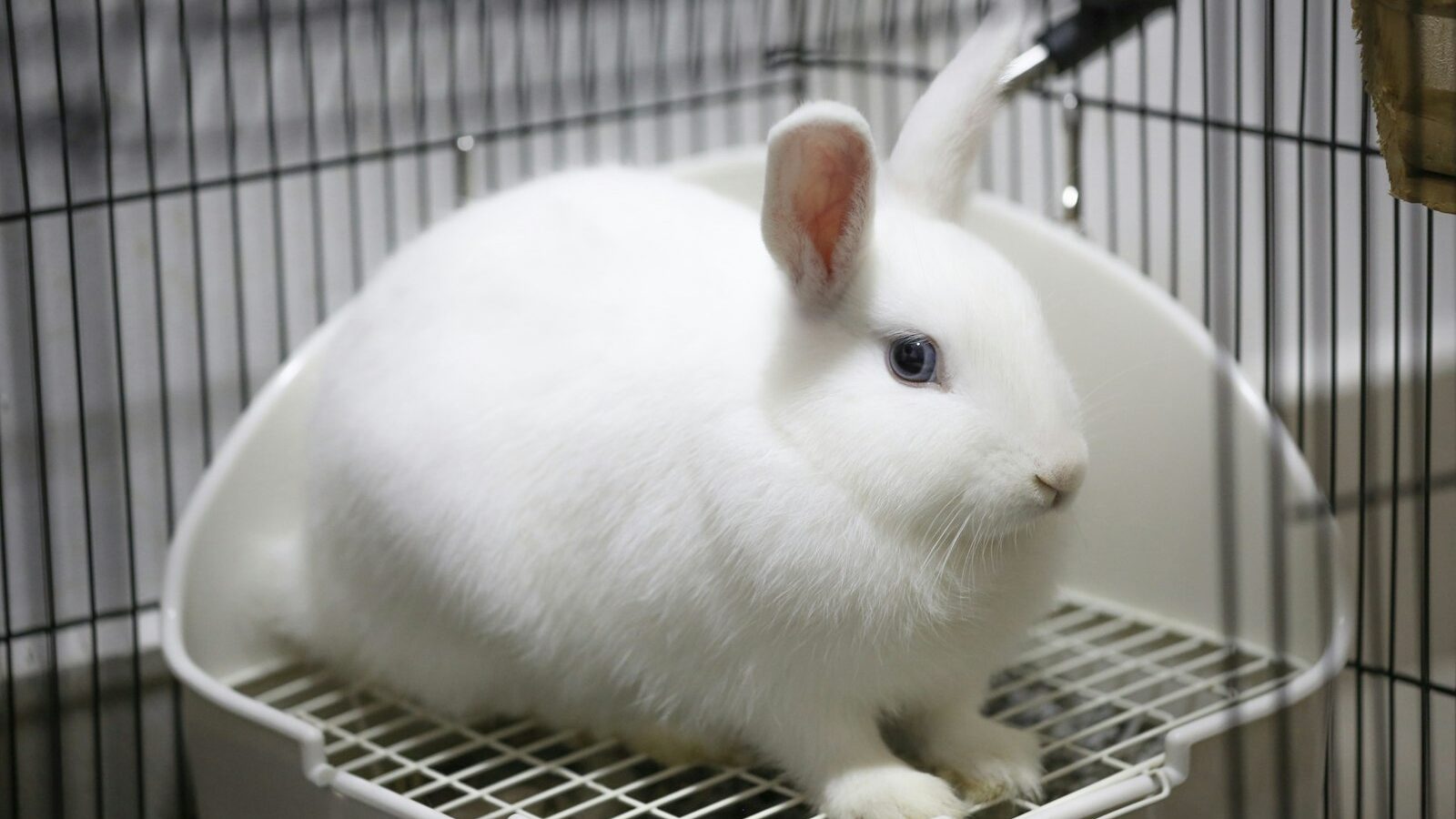
Many people are surprised to learn that rabbits can be litter trained, often more reliably than a cat. Rabbits are naturally clean animals that like to do their business in one or two chosen corners, and rabbit litter training simply works with that instinct rather than against it. Done well, it lets a house rabbit roam a Singapore flat without leaving mess everywhere, which makes life far pleasanter for everyone. It takes patience and a sensible setup, not magic. This guide explains how to get there kindly. It is general care information, not veterinary advice, so please see a licensed vet for anything to do with your rabbit’s health, sterilisation or diet.
Why Rabbits Take So Well to a Litter Box
Rabbits are creatures of habit with a strong preference for toileting in the same spot. In the wild this keeps their living area clean and their scent contained. At home, that same instinct is exactly what you harness. Once a rabbit understands that the litter box is the right place, it will usually return to it on its own.
Two things make the biggest difference to success. The first is sterilisation. An unsterilised rabbit, especially once it reaches sexual maturity, is driven to mark territory with droppings and urine, which makes consistent litter habits very hard. Sterilising, which a licensed vet can advise on and perform, greatly reduces marking, calms behaviour and carries important health benefits too. The second is age and patience. A young bunny has a shorter attention span, so expect a settled routine to take time.
It also helps to understand that rabbits scatter a few droppings as scent markers, particularly early on or when somewhere new. This eases as they mature, settle and feel secure in their territory.
Setting Up the Litter Box and Hay
The setup is where most of the work is done, and a good arrangement almost trains the rabbit for you. The clever trick is that rabbits like to eat and toilet at the same time, so you place hay right where you want them to go.
A workable setup includes:
- A shallow litter tray with a low entry so the rabbit can hop in easily. A corner or a larger cat tray both work.
- A rabbit-safe litter such as paper-based pellets or plain kiln-dried wood pellets. Avoid clumping cat litter, clay and softwood shavings like pine and cedar, which can harm rabbits if eaten or breathed in.
- A generous pile of fresh hay placed at one end of the tray, or in a hay rack positioned just above it.
- Placement in the corner the rabbit already favours, since it is far easier to follow their choice than to impose your own.
Hay is not just for the toilet corner. It should make up the bulk of a rabbit’s diet for healthy digestion and teeth, so having them munch hay over the tray serves two purposes at once. Keep the hay clean by topping it from above so droppings stay below.
The Training Routine Step by Step
With sterilisation planned or done and the setup ready, the routine itself is gentle and repetitive. Rabbits learn by consistency, not correction.
- Start small. Confine the rabbit to a pen or a single room with the litter tray, rather than giving it a whole flat at once. A smaller space makes the right choice obvious.
- Watch where it naturally toilets, and move the tray to that corner if needed.
- When you see stray droppings, pop them into the tray so the scent reinforces the message.
- Never punish accidents. Shouting or rubbing a rabbit’s nose in mess frightens a prey animal and teaches it to fear you, not to use the tray.
- Reward calm success quietly, and clean accidents thoroughly with a pet-safe cleaner so no lingering scent invites a repeat.
- Expand the space slowly. Only once the rabbit is reliable in one room do you open up more, adding an extra tray for each new area.
Progress is rarely a straight line, and a rabbit that was perfect may slip when you change the furniture or the routine. That is normal. Go back a step, shrink the space again, and rebuild the habit.
Common Setbacks and How to Fix Them
Most litter troubles trace back to a handful of causes, and matching the sign to the likely reason saves a lot of frustration.
| What you see | Likely reason | What helps |
|---|---|---|
| Marking around the flat | Not yet sterilised | Talk to a vet about sterilising |
| Suddenly missing the tray | Too much space too soon | Shrink the area, add a tray |
| Weeing over the tray edge | Tray too small or low sides | Use a bigger or higher-backed tray |
| Refusing a clean tray | Litter type disliked | Try a different rabbit-safe litter |
| Straining or bloody urine | Possible health problem | See a licensed vet promptly |
That last row matters most. A rabbit that suddenly stops using its tray, strains, passes very little, or shows blood may be unwell, and rabbits hide illness well. Treat any sudden change alongside signs of pain, a lost appetite or lethargy as a reason to contact a licensed or emergency vet quickly, since rabbits can deteriorate fast.
A Long and Rewarding Commitment
Litter training is really just one part of sharing your home with a rabbit, and it is worth seeing the whole picture before or soon after you commit. Rabbits are AVS-approved pets in Singapore, but they are a serious, long-term responsibility that can live around eight to twelve years or more. They need space to hop and stretch, daily fresh hay, companionship and gentle handling, and they cope poorly with our heat, so a cool, shaded, well-ventilated spot indoors matters a great deal.
A few responsible foundations:
- Get a rabbit only from an AVS-licensed source or, better still, adopt from a licensed shelter or rehomer, as many rabbits need homes.
- Arrange sterilisation and a health check with a vet experienced in rabbits, sometimes called an exotics or small-mammal vet.
- Budget honestly for food, litter, safe housing and vet care, including the occasional emergency.
- Rabbit-proof cables and skirting, since a free-roaming rabbit will chew.
Rabbit litter training is one of the small joys that makes life with a house rabbit work, and it comes down to sterilising, a thoughtful setup and steady patience. Follow the rabbit’s instincts, keep hay by the tray, expand freedom slowly, and clean up calmly when things slip. For sterilisation, diet and any health worry, always turn to a licensed vet who can advise on your particular rabbit.