
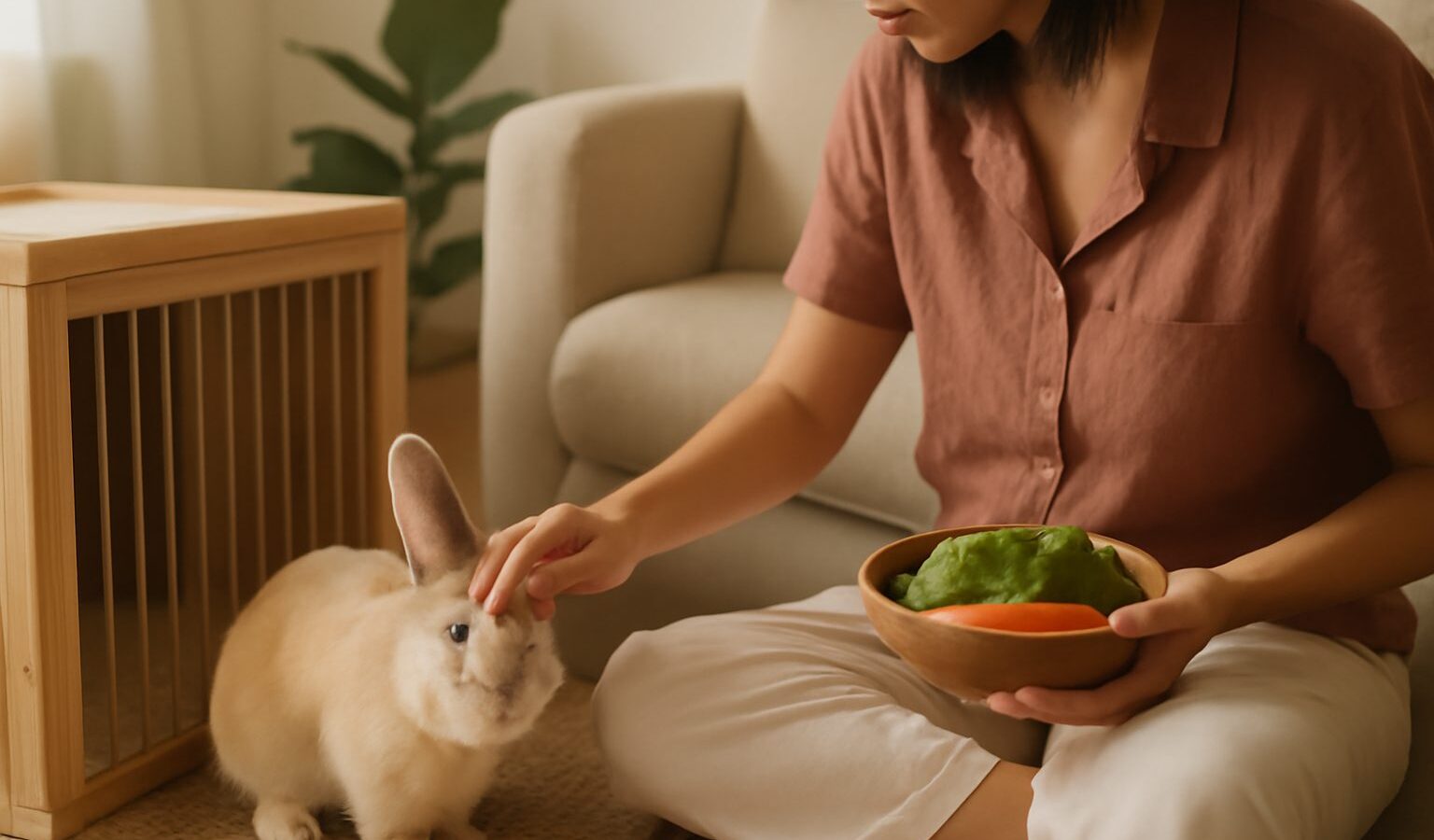
Rabbits are quiet, clever and surprisingly full of personality, which is exactly why so many people fall for them. But keeping rabbits in Singapore is a bigger commitment than the cute image suggests. A rabbit is not a low-effort starter pet or a gift for a child who wanted something fluffy. Cared for well, rabbits can live for many years, form real bonds, and become gentle, litter-trained companions. Cared for badly, they suffer quietly. This guide covers the reality of rabbit ownership here so you can decide with your eyes open.
A quick note on health. This article is general information, not veterinary advice. Rabbits are exotic pets with specific needs, so for anything to do with your own rabbit’s health, consult a licensed vet who sees rabbits, ideally an exotics vet.
The Reality Behind the Cute Image
The picture of a rabbit as an easy, cage-bound pet is misleading. Rabbits are intelligent, social animals that need space, company, enrichment and daily interaction. They can be litter-trained, they recognise their people, and they show clear likes and dislikes. They also need years of consistent care, regular cleaning, a carefully managed diet, and a vet who understands them.
Just as importantly, rabbits are prey animals. In the wild, looking fine is a survival skill, so a sick rabbit often hides its symptoms until it is very unwell. Being picked up, cornered or startled feels genuinely frightening to them, which is why so many rabbits dislike being carried and why they are often a poor match for young children who want to cuddle. Understanding this prey mindset is the single most useful thing a new rabbit owner can learn, because it explains almost everything about how to house, handle and read a rabbit.
Housing, Space and Keeping Cool
Forget the small hutch or cramped cage. Rabbits need far more room than people expect, and in most Singapore homes an indoor set-up works best, keeping them safe from the heat, from other animals, and from the risks of being outdoors.
- Space to move. Give your rabbit a large pen or a rabbit-proofed room with space to hop, stretch up, and do the little leaps rabbits do when they are happy. Time out of the pen each day to explore is essential, not optional.
- Rabbit-proofing. Rabbits chew, so protect cables, skirting and anything toxic, and block gaps they could squeeze into. Provide safe chew toys and cardboard to satisfy the urge.
- Litter habits. Rabbits naturally tend to toilet in one area, so a litter tray with rabbit-safe litter and some hay makes them easy to keep clean once they are settled and, ideally, sterilised.
- Keeping cool. This matters enormously in our climate. Rabbits cope poorly with heat and humidity and can suffer heat stress dangerously fast. Keep them in the coolest, well-ventilated part of the home, out of direct sun, with constant fresh water and shade. Many owners use fans directed nearby rather than straight on, ceramic tiles to lie on, or air-conditioning during the hottest hours. Signs of overheating are an emergency and need a vet at once.
Good housing is not a luxury for rabbits. It is the difference between a bored, stressed animal and a relaxed, confident one.
Diet, Handling and a Rabbit-Savvy Vet
Diet is where many well-meaning owners go wrong. A rabbit’s digestive system is built to process fibre almost constantly, so the foundation of the diet is unlimited good-quality hay, which also wears down teeth that grow continuously. Alongside hay, offer suitable fresh leafy greens and a measured amount of pellets, with treats kept small and occasional. Fresh water must always be available. A diet too high in pellets, sugary treats or the wrong foods leads to serious digestive and dental problems, so when in doubt, check with a rabbit vet rather than guessing.
Handling should always respect the prey mindset. Get down to their level, let them come to you, and build trust with time and treats rather than grabbing. When you must lift a rabbit, support the whole body securely, never by the ears or scruff, because a frightened rabbit can injure its spine kicking to escape. Gentle, patient handling turns a nervous rabbit into a sociable one.
Two more essentials round out responsible care. First, find a vet who genuinely sees rabbits, as not every clinic treats exotics, and ideally register before you have an emergency. Second, talk to that vet about sterilisation, which is widely recommended for rabbits and can improve litter habits, reduce certain health risks, and calm hormonal behaviour, as well as preventing unwanted litters. Because rabbits hide illness, regular check-ups and watching for changes in eating, droppings and energy are important parts of keeping them well.
Adopt Rather Than Buy on Impulse
Singapore has many rabbits needing homes, often surrendered by owners who underestimated the commitment. Adopting gives one of them a second chance and usually means the rabbit has been health-checked and, in many cases, sterilised. The SPCA and the House Rabbit Society Singapore are good starting points, and reputable groups will help match you with a rabbit that suits your home and offer advice as you settle in.
Please avoid impulse buys, festive gifts, or bringing a rabbit home because it looked adorable in a shop window. A rabbit is a multi-year responsibility, and abandoning one is both cruel and illegal. Releasing a pet rabbit outdoors is never a kindness, as domestic rabbits cannot survive on their own here. If you are unsure whether rabbit ownership fits your life, that honesty is a good sign, and adoption groups will happily talk it through before you commit.
Matching Rabbit Needs to Real Life
Use this table to sense-check whether you can meet a rabbit’s core needs day to day.
| Rabbit need | How to meet it |
|---|---|
| Lots of space to move | Large indoor pen or rabbit-proofed room, plus daily free-roam time |
| Constant fibre for gut and teeth | Unlimited good-quality hay as the diet’s foundation |
| Staying cool in the heat | Coolest, ventilated spot, shade, fresh water, fans or aircon as needed |
| Feeling safe as a prey animal | Gentle, low handling, quiet spaces, no grabbing or lifting by the ears |
| Company and enrichment | Daily interaction, chew toys, and consideration of a bonded companion |
| Health and welfare | A rabbit-savvy exotics vet, sterilisation, and regular check-ups |
Is a Rabbit Right for You?
Rabbits reward the people who take them seriously with years of gentle, quietly affectionate company. The commitment is real, the diet and housing are specific, the heat demands care, and the vet needs to be one who knows exotics. If you can offer space, patience and a cool, safe home, and you would rather adopt than buy on a whim, a rabbit can be a genuinely lovely companion. If that sounds like more than you can give right now, choosing not to get one is itself a responsible, welfare-minded decision.
Whatever you decide, remember that this guide is general information and not a substitute for professional care. For anything concerning your rabbit’s health or diet, speak to a licensed vet who sees rabbits.
Explore More
Because rabbits need a clinic that treats exotics, our guide to choosing a vet in Singapore helps you find one before you need it. And if you are weighing where your rabbit should come from, read adopting vs buying a pet in Singapore to see why adoption is so often the kinder, wiser choice. When in doubt about your own rabbit, always speak to a licensed vet.