
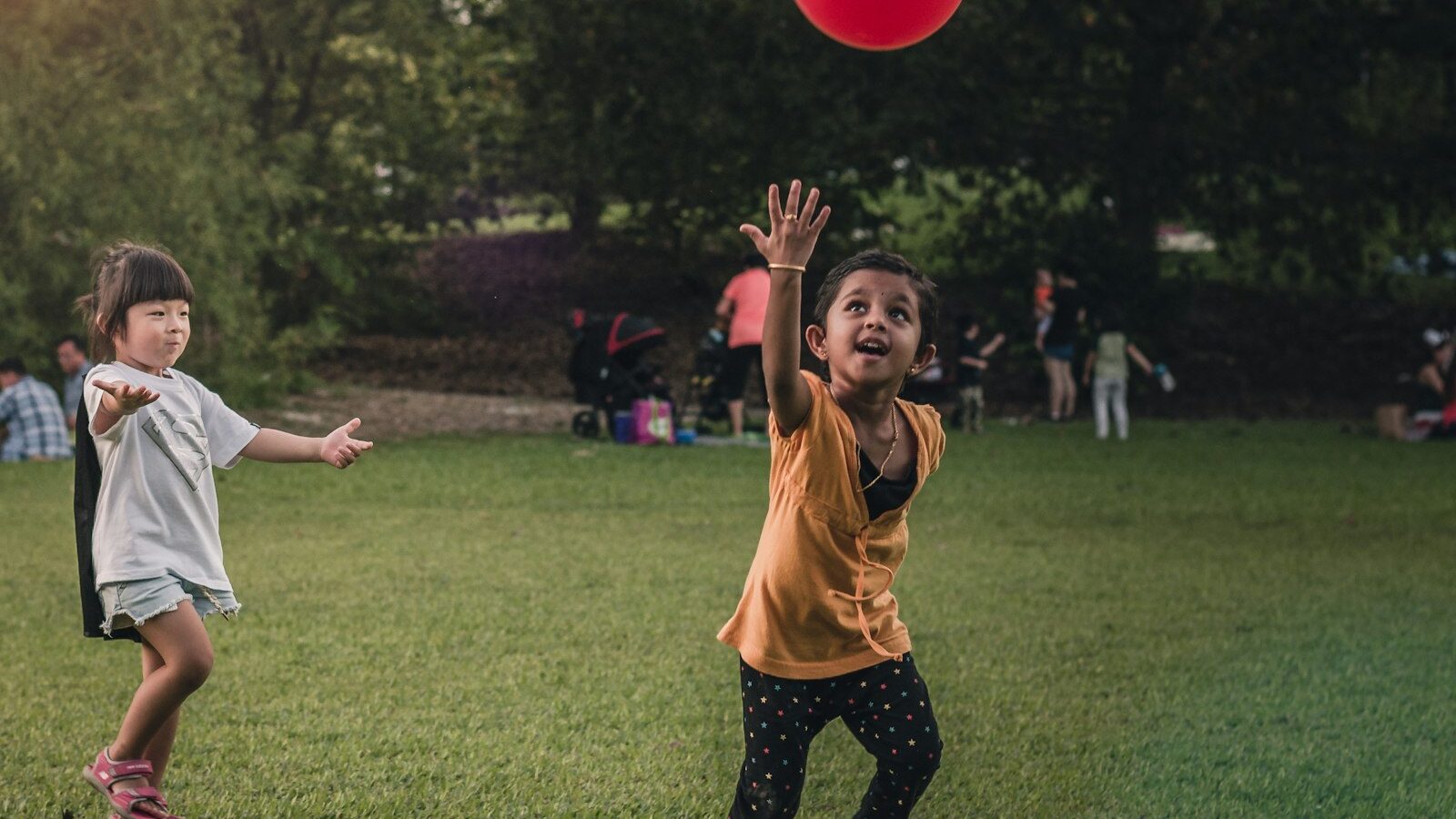
Ask most parents what they truly hope for their children, and beneath the grades and the milestones, one word keeps surfacing: kind. In a busy, high-achieving Singapore, raising kind kids in Singapore can feel like swimming against the current, yet kindness and empathy are among the most valuable gifts we can nurture. The good news is that they are not fixed traits you either have or lack. They grow, day by day, through warmth, example, and small everyday moments. This guide offers gentle, practical ways to help caring come naturally to your child.
Why Kindness and Empathy Are Worth Nurturing
Empathy is the ability to sense and care about what another person feels. Kindness is what we do about it. Together they sit at the heart of good friendships, strong families, and a happy life, and they are quietly powerful for a child’s own wellbeing too. Children who feel for others tend to make friends more easily, handle conflict better, and carry a steadier sense of self-worth.
It helps to remember that empathy develops gradually. A toddler is naturally the centre of their own world, and that is normal, not selfish. The ability to truly see another viewpoint grows over years, alongside their brain and their experiences. So the aim is not a perfectly selfless child by next week, but a slow, steady deepening of care, watered by the way we live at home.
None of this means raising a pushover. Kind children can still be strong, set boundaries, and stand up for themselves and others. In fact, real kindness often takes courage, like being the one who sits with a lonely classmate or speaks up when something is not fair.
You Are the First and Best Example
Children learn kindness far more from what we do than what we say. They are always watching how we treat the people around us, especially those who can do nothing for us in return. The way you speak to the hawker uncle, thank the bus driver, greet the cleaner at the void deck, or talk about a helper or grandparent at home teaches more than any lecture on manners.
- Narrate your own caring. Let them see the why: “I’m bringing soup to Mrs Lim next door because she isn’t feeling well.”
- Treat your child with empathy. When you respond gently to their big feelings, you are showing them exactly how it is done. Children who feel understood learn to understand others.
- Mind how you speak about people. How we talk about neighbours, relatives, and strangers, kindly or critically, quietly shapes how our children view the world.
- Own your slip-ups. When you are short-tempered, a simple “I’m sorry I snapped, I was tired” models repair and shows that kindness includes making things right.
You do not need to be perfect. A home where people apologise, forgive, and keep trying teaches empathy more powerfully than one that only ever looks polished.
Everyday Habits That Grow a Caring Heart
Empathy is built in ordinary moments, and there are simple habits that help it along without turning into a chore.
- Name feelings often. Talk about emotions in yourselves, in others, and in the characters in storybooks. “How do you think he felt when his tower fell?” Reading together is one of the finest empathy-builders there is.
- Ask the wondering question. When your child sees someone upset, gently prompt, “I wonder how she’s feeling? What might help?” This grows the habit of considering others.
- Give them ways to help. Let them comfort a crying sibling, carry groceries for grandma, or choose an item for a donation drive. Kindness becomes real when it is practised, not just praised.
- Practise gratitude simply. A quick round at dinner of “one good thing today” or a thank-you note to a teacher keeps hearts turned toward appreciation.
- Praise the character, not just the act. “You were being kind” or “You’re a helpful person” tells a child who they are becoming, which is more lasting than praising the deed alone.
Keep it light and genuine. Forced kindness on demand, “Say sorry now,” teaches the words without the feeling. It is better to help a child understand why sorry matters, even if it takes a little longer.
Kindness Amid Sibling Squabbles and Real Life
Home is where empathy gets its toughest and best workout, often between siblings. Squabbles are not a sign you are failing; they are practice ground for negotiation, sharing, and repair. Rather than always refereeing, you can coach: “Your brother looks upset. What happened, and how can we make it fair?” Helping each child see the other’s side, without taking sides yourself, builds real perspective.
The same goes for the wider world. Gently point out kindness when you spot it, and talk honestly about unfairness your child notices. Involving the family in small acts of giving, a food donation, helping an elderly neighbour, sharing with those who have less, turns values into lived experience. In our diverse Singapore, everyday respect across cultures, races, and abilities is empathy in action, and children absorb it best by seeing it modelled warmly at home.
Comparing What Helps and What Hinders
| Everyday moment | What quietly hinders empathy | What gently nurtures it |
|---|---|---|
| A child grabs a toy | “Don’t be selfish!” and a lecture | “Your friend looks sad. How can you both play?” |
| Someone is upset | Rushing to fix or dismiss it | Naming the feeling and wondering together |
| Your child is kind | Ignoring it or over-rewarding it | Noticing it warmly, naming the character |
| You lose your temper | Pretending it didn’t happen | Apologising and repairing openly |
| Seeing unfairness | Changing the subject | Talking it through honestly and simply |
Being Patient With the Slow Bloom of Empathy
Kindness is a long game, and it does not run in a straight line. Your caring child will still snatch a toy, ignore a sad friend, or blurt something unkind, and that is part of learning, not proof of a hard heart. Meet these moments with the same warmth you are trying to grow, guiding rather than shaming. Celebrate the small signs: the unprompted hug, the shared snack, the worried “Are you okay, Mummy?” Over the years, these tiny moments add up. With your steady example and a home full of warmth, you are raising a person whose kindness will quietly ripple out for a lifetime. Every child and family is different, so trust your own gentle instincts as you go.
Explore more
Kindness gets its most honest practice between siblings, so you may find it helpful to read our guide on managing sibling rivalry. Since empathy grows from a child who feels understood, see helping kids manage big emotions, and for warm, firm guidance that teaches without shaming, try positive discipline that works.