
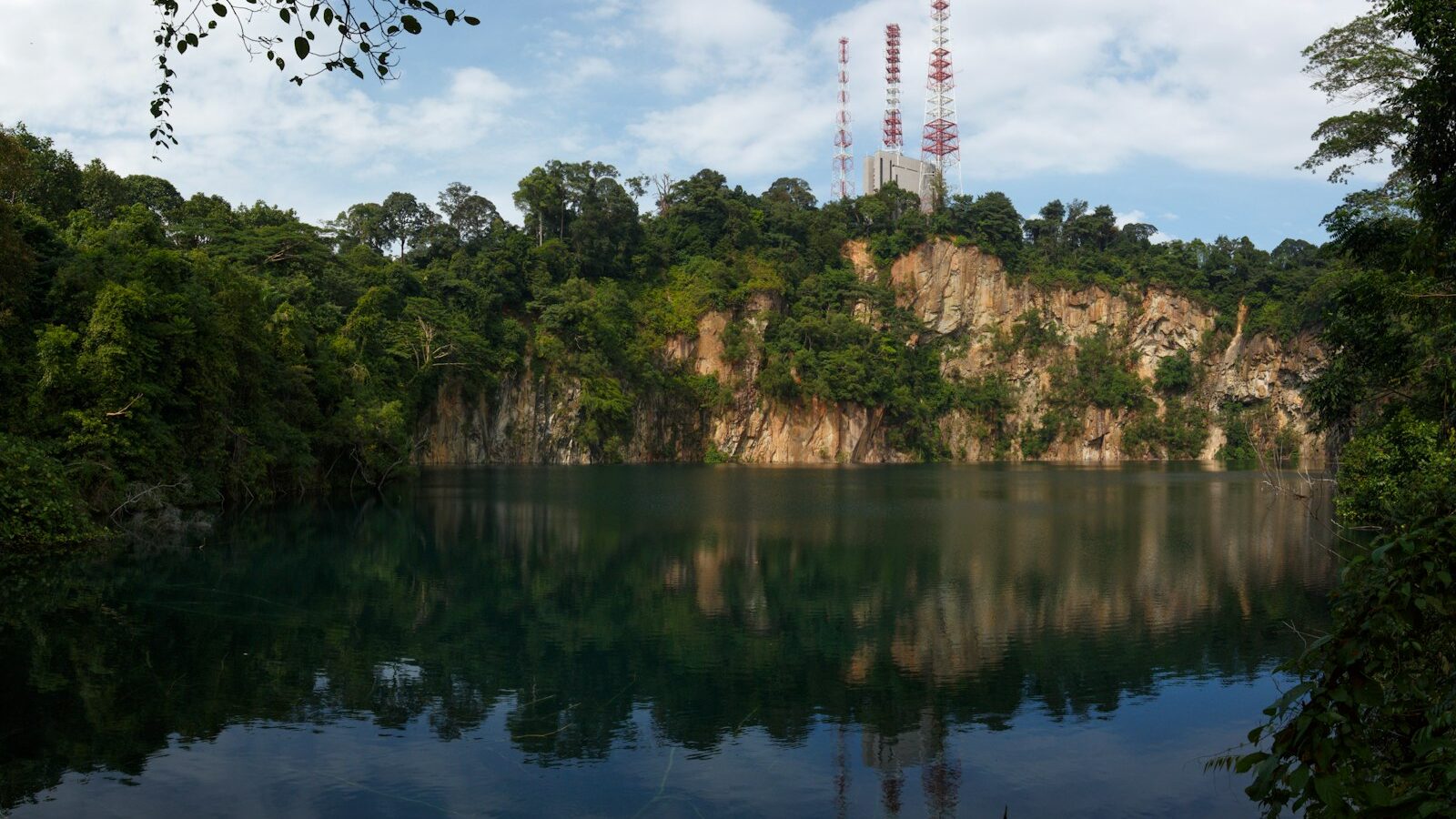
On a green ridge in the west of the island stands a place that holds one of the most stirring chapters of the Battle of Singapore. Bukit Chandu Singapore, meaning Opium Hill in Malay, was the setting for the Battle of Pasir Panjang in February 1942, where soldiers of the Malay Regiment made a determined stand during the final days of fighting before the fall of Singapore. Today the site is home to Reflections at Bukit Chandu, a war interpretation centre run under the National Heritage Board that honours those soldiers and helps visitors understand their story. Set within a lush ridge landscape, it joins remembrance with nature in a way found nowhere else on the island.
This guide covers the history of the hill, what you will find at the centre and along the ridge, and how to plan a respectful visit to one of Singapore’s most meaningful heritage sites.
The Battle of Pasir Panjang and the Malay Regiment
In February 1942, as the campaign for Singapore reached its final, desperate stage, the ridges of the western part of the island became a line of defence. At Pasir Panjang and Bukit Chandu, soldiers of the Malay Regiment fought to hold their positions against a determined advance. The stand made here has become a lasting symbol of courage and loyalty, and it is closely associated with Lieutenant Adnan bin Saidi, an officer of the Malay Regiment whose leadership and sacrifice during the battle are remembered with deep respect.
The Malay Regiment’s defence of Bukit Chandu is honoured today as an example of duty and bravery under overwhelming pressure. In keeping with the approach of the National Heritage Board and Singapore’s norms around war memory, the story is told factually and with dignity, focusing on remembrance rather than sensational detail. This guide does not invent casualty numbers or specific claims; the centre’s own displays and official sources provide the careful record.
The hill’s older name, Opium Hill, points to an even earlier history, when the area was linked to opium processing in the colonial period. That layer, too, is part of the site’s long story, though it is the wartime stand that gives Bukit Chandu its enduring meaning.
Reflections at Bukit Chandu Today
Reflections at Bukit Chandu occupies a restored colonial-era bungalow on the ridge, one of the few such buildings that survive in the area. Reopened in recent years with refreshed galleries, the centre uses artefacts, storytelling and immersive displays to bring the events of 1942 to life and to honour the soldiers who fought here.
| Feature | What it offers | Why visit |
|---|---|---|
| The interpretation galleries | Displays on the battle and the Malay Regiment | Understand the stand at Bukit Chandu |
| The heritage bungalow | A restored colonial-era building | A rare surviving structure on the ridge |
| The ridge setting | Greenery and trails around the centre | Links remembrance with nature |
| Connections to Kent Ridge | Paths towards the wider park | Extends the visit into the landscape |
The galleries are the heart of the experience, guiding visitors through the events of the battle and the people who lived them. The restored bungalow itself is part of the story, a tangible link to the period, quietly evocative of the era in which the fighting took place.
Just as memorable is the setting. The centre sits amid greenery on the ridge, and the surrounding area connects to the wider Kent Ridge landscape. Walking here, with birdsong in the trees and the city glimpsed beyond, adds a reflective dimension to the visit that a purely indoor museum could not offer.
The Ridge, the Park and the Wider Landscape
Bukit Chandu is part of a chain of ridges and parks in the western part of Singapore, and its connection to Kent Ridge Park gives visitors the chance to combine heritage with a gentle outdoor outing. The Southern Ridges network of green spaces in this part of the island links parks and hills with trails and elevated walkways, and the area around Bukit Chandu forms part of this larger tapestry of nature and history.
For Singaporeans, this blend is especially resonant. A place of hard fighting has become a place of quiet greenery, where the memory of sacrifice sits alongside the everyday pleasures of a walk in the park. For newcomers, the ridge offers an accessible way to understand both the natural beauty of the west and the weight of its wartime past.
The National Heritage Board’s stewardship ensures that the story is told with care and accuracy. The emphasis throughout is on honouring the Malay Regiment and all who defended the ridge, and on giving visitors the context they need to reflect meaningfully rather than to be entertained.
Planning Your Visit to Bukit Chandu
Bukit Chandu is located in the western part of Singapore near the Pasir Panjang and Kent Ridge area, and it is generally reachable by public transport with a combination of MRT and bus, followed by a walk up to the ridge. Because the approach involves some uphill walking and because access details can change, it is worth checking directions before you go.
A few tips will help you visit well:
- Check hours and admission on the official website in advance, as opening times and any ticketing are set by the centre and may vary.
- Wear comfortable shoes and bring water, since reaching the site and exploring the surrounding ridge involves walking on slopes and paths.
- Treat the site with respect. This is a place of remembrance connected to real sacrifice, so keep noise low and be mindful of the tone of your visit.
- Combine with a ridge walk if you have time and energy, linking the heritage visit to the greenery of the surrounding parks.
Because the setting is green and outdoors, bring sun protection and insect repellent, and check the weather before setting out.
A Hill Worth Climbing
Reflections at Bukit Chandu asks visitors to remember a stand made under the hardest of circumstances, and it does so with dignity and care. Standing on the ridge, amid the trees and the quiet, it is easy to feel the distance between that February in 1942 and the peaceful present, and to appreciate what was given so that the present could be reached. For anyone seeking to understand Singapore’s wartime heritage and to honour the Malay Regiment, Bukit Chandu is a place that stays with you long after you descend the hill.
Explore more
To continue exploring Singapore’s wartime heritage, visit the Kranji War Memorial in the north and the Changi Chapel and Museum in the east. For more coastal defence history within an easy reach of the western ridges, plan a trip to Labrador Park and its wartime tunnels.