
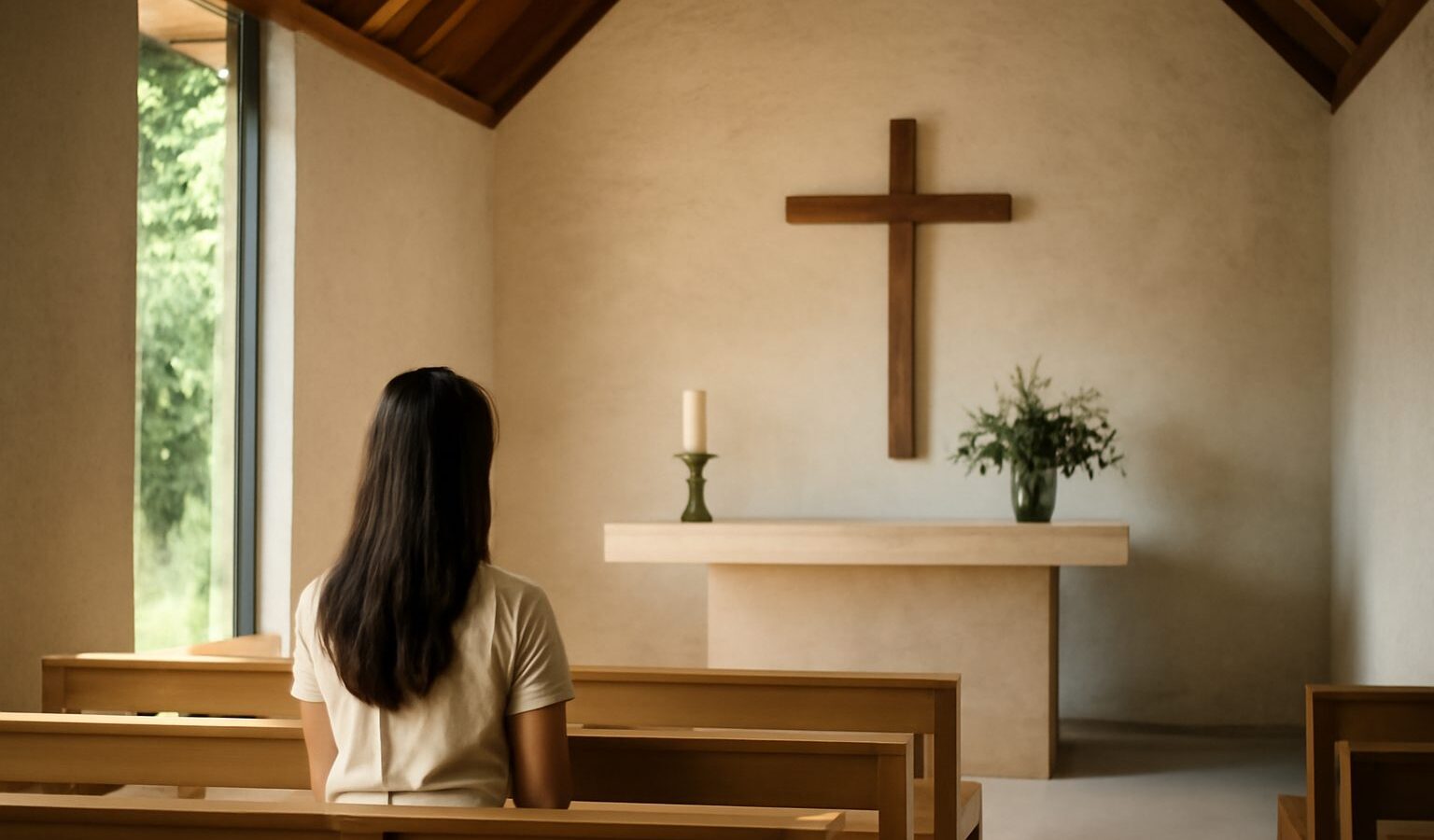
Of all the places that carry the memory of the Japanese Occupation, few are as quietly powerful as the Changi Chapel Museum Singapore. Set in the east of the island near the historic Changi Prison, this national museum tells the story of the prisoners of war and civilians who were interned in the Changi area during the Second World War. It is a place of remembrance rather than spectacle, where ordinary objects, letters and photographs speak of endurance, faith and small acts of humanity in the hardest of times. For Singaporeans and visitors alike, it offers a careful, respectful way to understand a defining chapter of the nation’s history.
This guide covers the museum’s background, what you will find inside, and how to plan a considered visit. Because the subject is real suffering within living memory, it is a site that rewards a slow, thoughtful approach.
The History of Changi as a Place of Internment
After the fall of Singapore in 1942, the Changi area became a major site of internment during the Japanese Occupation. Prisoners of war and civilians were held here in difficult conditions for the duration of the war. Within that hardship, the internees built a remarkable inner life: they organised education, staged performances, kept records and, importantly, created chapels where they could worship and find comfort.
One of the most enduring symbols to emerge from this period is the chapel. Simple structures built by the internees themselves, these chapels became places of hope and quiet resistance to despair. After the war, one such chapel was eventually taken to Australia, while the idea of the Changi chapel endured as a powerful emblem of faith under pressure. The museum today carries this story forward through a replica chapel that stands as a focal point for reflection.
In keeping with guidance from historians and the National Heritage Board, this guide avoids inventing specific figures for those interned or lost. Visitors who wish to understand the full scale and detail of events should turn to the museum’s own displays and to official archives.
Inside the Changi Chapel and Museum
The museum was refreshed and reopened in recent years with updated galleries that present the story with sensitivity and depth. Its collection brings together personal artefacts, reproductions and documents that together trace daily life in internment.
| Highlight | What it is | Why it moves visitors |
|---|---|---|
| The replica chapel | An open-air chapel in the courtyard | A focal point for remembrance and reflection |
| Personal artefacts | Objects, letters and items from internees | Shows daily life, resilience and faith |
| The Changi Murals story | The account of wartime murals painted by a prisoner | A testament to art and spirit in captivity |
| Archival records | Photographs and documents | Grounds the story in real evidence |
The replica chapel is the emotional centre of the visit. Standing in the courtyard, it invites quiet contemplation, and many visitors leave a moment of stillness here. Inside the galleries, the personal objects are often what stay with people: a handmade item, a fragile letter home, a photograph that puts a face to the history.
The museum also tells the story of the celebrated wartime murals painted by an interned soldier in a chapel elsewhere in the Changi area. These works, created in extraordinary circumstances, have become an important part of Singapore’s wartime heritage, and the museum helps visitors understand their meaning and their careful preservation.
Why Changi Chapel and Museum Matters
Changi Chapel and Museum is more than a record of events. It is a place that asks visitors to consider how people hold on to dignity and hope when almost everything else has been taken from them. That focus on the human experience, rather than on battles or statistics, is what gives the museum its lasting impact.
For Singapore, the site is part of a wider network of wartime heritage that the National Heritage Board and its partners maintain and interpret. Together with the memorials and battle sites across the island, it helps residents and newcomers grasp the Japanese Occupation and its long shadow over the country’s path to independence. The museum handles this responsibility with restraint, avoiding sensationalism and letting the objects and stories speak for themselves.
The east of Singapore adds its own texture to the visit. Changi today is known for its airport, its village, its beach and its relaxed, breezy character, yet just beneath that surface lies this deep layer of memory. Holding both in mind, the everyday and the historical, is part of what makes a trip here so meaningful.
Planning Your Visit
The museum is located in the Changi area in the east of Singapore, near the historic Changi Prison, and it is generally reachable by public transport using a combination of MRT and bus. Because routes, admission arrangements and opening hours can change, always check the official museum website before you go rather than relying on assumptions.
To make the most of your visit, keep a few things in mind:
- Confirm hours, tickets and any booking requirements on the official website in advance, as these are set by the museum and may vary.
- Approach the site with respect. This is a place of remembrance connected to real suffering. Keep noise low, follow photography guidelines and be mindful of other visitors, some of whom may have personal connections to the history.
- Allow enough time to read the displays properly. Rushing through undercuts the experience; an unhurried visit lets the stories land.
- Consider a guided experience if one is offered, as context greatly enriches what you see.
Because the neighbouring Changi Prison remains an operational facility, confine your visit and any photography to the museum grounds and follow all posted guidance.
A Story Worth Sitting With
Changi Chapel and Museum does its work quietly. It does not overwhelm or dramatise; it simply presents the truth of what people endured and how they carried themselves through it. Visitors often leave changed in a small but real way, more aware of the cost of the war and more moved by the resilience it revealed. In a fast-moving city, this calm, honest museum offers something increasingly rare: the space to remember, and to reflect.
Explore more
To continue tracing Singapore’s wartime heritage, visit the Kranji War Memorial, the Commonwealth war cemetery in the north of the island. For the fighting on the western ridges, see Reflections at Bukit Chandu, and to step inside the underground command centre of the campaign, plan a trip to The Battlebox at Fort Canning.