
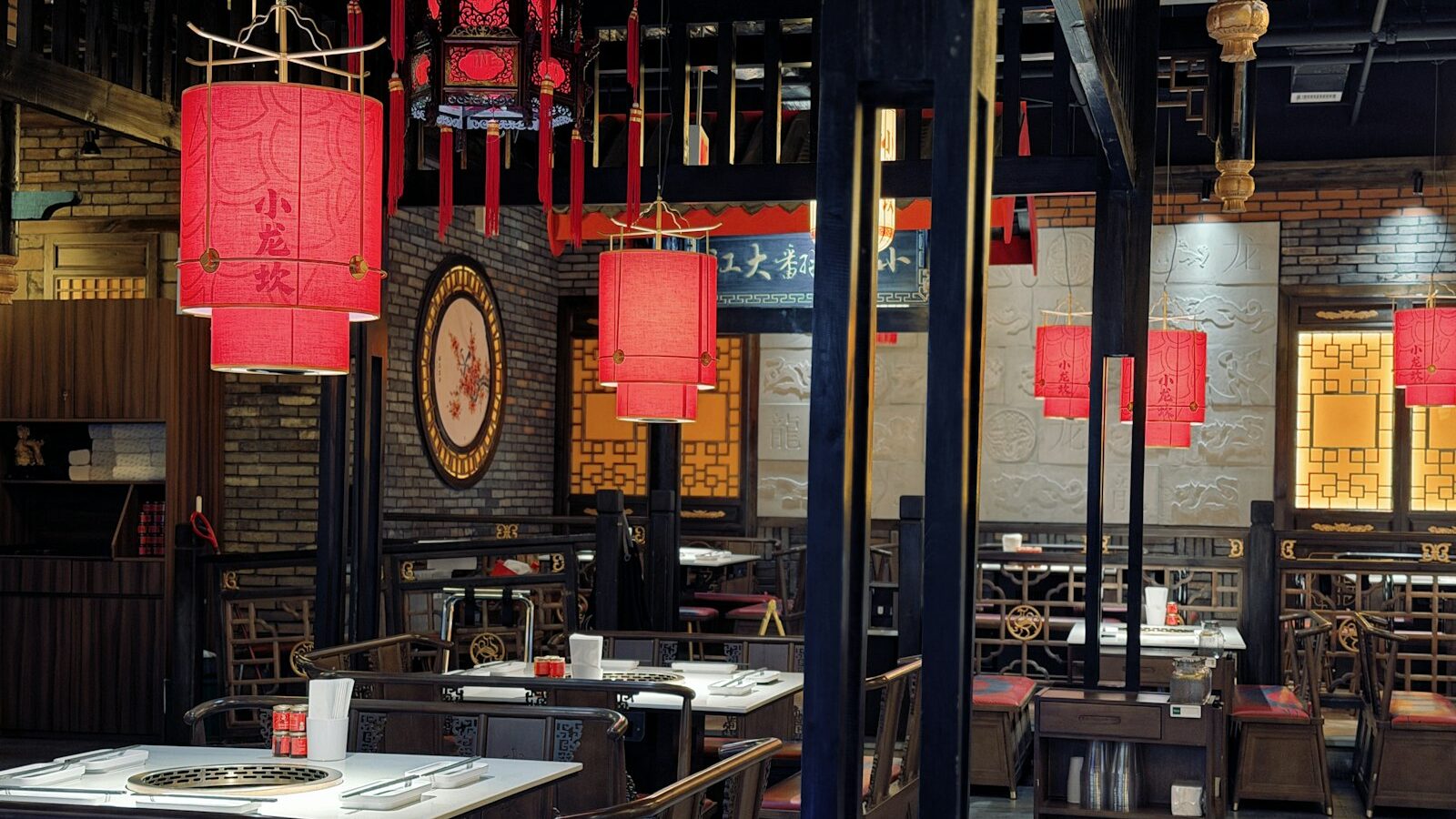
Finding a regional chinese restaurant singapore newcomers can trust to taste like home is easier than it first looks, once you understand that “Chinese food” here means two very different things. The local Singaporean-Chinese food you meet at hawker centres grew from southern immigrant roots generations ago and has evolved its own sweeter, more Southeast Asian character. Alongside it sits a fast-growing world of restaurants run by and for mainland Chinese, cooking the food of specific provinces the way you would recognise it back home. This guide walks through the main regional cuisines, what defines each, and how to find the authentic ones by area and type rather than by chasing a single name.
Why “Chinese Food” Splits in Two Here
Understanding the split saves you disappointment. Local dishes such as char kway teow, Hainanese chicken rice and Singapore-style Hokkien mee are delicious, but they are not what your grandmother made. In the last two decades, waves of migration from the mainland have filled districts like Geylang, parts of Chinatown, the city fringe around Jalan Besar, and suburban malls with kitchens cooking genuine provincial food. When you crave the real thing, you are usually looking for these newer, mainland-run places rather than the heritage hawker stalls.
Sichuan: Numbing Heat and Big Flavour
Sichuan (Chuan cai) is probably the easiest regional cuisine to find in Singapore, because its bold, mala character travels well and locals have embraced it. The defining trait is ma la, the tingling numbness of Sichuan peppercorns married to dried chilli heat. Look for shui zhu yu (fish in chilli oil), mapo tofu, kung pao chicken, twice-cooked pork and, above all, ma la xiang guo, the pick-your-ingredients dry pot that has become a national obsession. Authentic Sichuan kitchens cluster wherever there are large mainland communities, and many advertise in Chinese first. A menu heavy on peppercorn oil and offal is a good sign.
Cantonese: The Refined Southern Classic
Cantonese (Yue cai) food is the most established Chinese regional cuisine in Singapore, thanks to early Cantonese settlers and Hong Kong influence. It prizes freshness, gentle seasoning and technique over spice. This is the home of dim sum brunches, roast meats like char siew and crispy pork, steamed live seafood, double-boiled soups and silky congee. For the real experience, look to dedicated Cantonese and Hong Kong-style restaurants in the city and in Chinatown, and to hotel Chinese restaurants for the more refined end. Yum cha here is a genuine weekend ritual.
Hokkien and Teochew: Singapore’s Own Roots
Hokkien (from Fujian) and Teochew (Chaoshan) food form the DNA of local Chinese cooking, so you meet them everywhere, though often in localised form. Hokkien cuisine leans on braises, popiah, oyster omelette and hearty stir-fries. Teochew food is prized for its restraint and respect for the ingredient: steamed fish, braised duck and goose in a soy master stock, oyster porridge, and cold crab. For something close to Chaoshan authenticity, seek out Teochew-specialist restaurants and the traditional braise (lou) specialists rather than a generic zi char stall.
Hunan: Fresh Chilli, Smoke and Sourness
Hunan (Xiang cai) is the sharper cousin of Sichuan. Where Sichuan numbs, Hunan burns with fresh and pickled chillies and a savoury, sometimes sour and smoky edge, with far less peppercorn. Signatures include steamed fish head with chopped chilli (duo jiao yu tou), smoked cured pork with dried vegetables, and stir-fries built on real heat. Hunan restaurants are fewer than Sichuan ones but growing, and they tend to sit where mainland office and student crowds gather. If you want heat without the numbing, this is your cuisine.
Dongbei and Northern Food: Comfort by the Plateful
For newcomers from the northeast, Dongbei food is pure homesickness relief. Portions are huge, flavours are hearty, and wheat rules over rice. Look for guo bao rou (sweet-sour crispy pork), di san xian (potato, aubergine and pepper), pork and cabbage stews, and plenty of dumplings. Related northern staples such as hand-pulled noodles, knife-shaved noodles, big steamed buns and scallion pancakes appear here too. Dongbei restaurants often double as gathering spots for the northeastern community and are found in heartland and city-fringe areas with cheaper rents.
Xinjiang and Halal Chinese: Lamb, Cumin and Fire
Xinjiang food offers something no other regional cuisine does: cumin-heavy, halal Chinese cooking built around lamb. The icons are grilled lamb skewers dusted with cumin and chilli, big-plate chicken (da pan ji) served over hand-pulled belt noodles, and lamb pilaf. Because it is halal, Xinjiang food also suits Muslim diners and is a useful bridge cuisine for mixed groups. These restaurants are a smaller niche, so a targeted online search is usually how you find them.
Hotpot: The Social Centre of It All
Hotpot (huo guo) deserves its own mention because it is less a regional dish than a national pastime among mainlanders here. Chongqing and Sichuan-style mala broths dominate, but you will also find clear, tomato, mushroom and pork-bone soup bases, and northern-style lamb hotpot. Singapore has everything from large branded chains famous for their service to individual bubbling-pot spots for solo diners. Hotpot is where friendships and homesickness both get sorted out, so it is worth knowing your neighbourhood options.
How to Find the Authentic Ones
Finding genuine regional food is a skill you can learn quickly:
- Search in Chinese. Use map apps and review platforms with Chinese search terms like 川菜, 东北菜 or 湖南菜 plus your area. Chinese-language results surface mainland-run kitchens that English searches miss.
- Use the apps mainlanders use. Community groups on WeChat, and lifestyle apps popular with the Chinese diaspora, carry honest recommendations from people with the same palate as you.
- Read the room and the menu. A menu written Chinese-first, staff speaking Mandarin or a regional dialect, and a dining room full of mainland diners are the strongest signals of authenticity.
- Follow the communities. Areas with dense mainland populations, student clusters and city-fringe rentals reliably grow authentic restaurants nearby.
- Ask your own community. Fellow newcomers from your province will know exactly which place tastes right.
Regional Cuisines at a Glance
| Cuisine | Defining flavour | Signature dishes | Best way to find it |
|---|---|---|---|
| Sichuan | Numbing mala, chilli oil | Shui zhu yu, mapo tofu, ma la xiang guo | Easy; search 川菜, common near mainland areas |
| Cantonese | Fresh, delicate, savoury | Dim sum, roast meats, steamed seafood | City and Chinatown, hotel restaurants |
| Teochew | Light, ingredient-led | Steamed fish, braised duck, cold crab | Teochew and braise specialists |
| Hunan | Fresh and pickled chilli, smoky | Chopped-chilli fish head, cured pork | Growing; near office and student crowds |
| Dongbei | Hearty, wheat-based, generous | Guo bao rou, di san xian, dumplings | Heartland and city-fringe areas |
| Xinjiang | Cumin, lamb, halal | Lamb skewers, da pan ji, pilaf | Niche; targeted online search |
| Hotpot | Customisable broths, social | Mala and clear broths, lamb hotpot | Chains and neighbourhood spots islandwide |
A Few Practical Tips
- Weekday lunch sets are often the cheapest way to try a new regional kitchen.
- If a place is packed with diners from that province, trust it over the reviews.
- Many authentic spots are cash-friendly and app-payment-friendly, so carry both.
- Craving home cooking you cannot find on a menu? Stock a Chinese supermarket and cook it yourself.
- Bookmark two or three reliable places per cuisine so a homesick evening is never a gamble.
Singapore may not be your home province, but somewhere on this island a kitchen is cooking your childhood dinner. The trick is to search the way you would back home, in your own language, and to follow your own community to the table.
Explore more: Chinese Supermarkets and Groceries in Singapore · Mandarin-Friendly Neighbourhoods in Singapore