
Finding a good chinese supermarket Singapore newcomers can cook from is one of the first things that makes a new home feel like home. The good news is that Chinese ingredients are everywhere here, because ethnic Chinese make up about three-quarters of the population and Chinese cooking is part of everyday life. You will not struggle to find light soy sauce, dried noodles or a bag of frozen dumplings. The trick is knowing which type of shop to visit for which ingredient, because the cheapest chilli bean paste and the best fresh greens rarely sit under the same roof. This guide breaks down your options by shop type and area, so you can stock a kitchen that tastes like the food you grew up with.
Mainstream Supermarket Chains
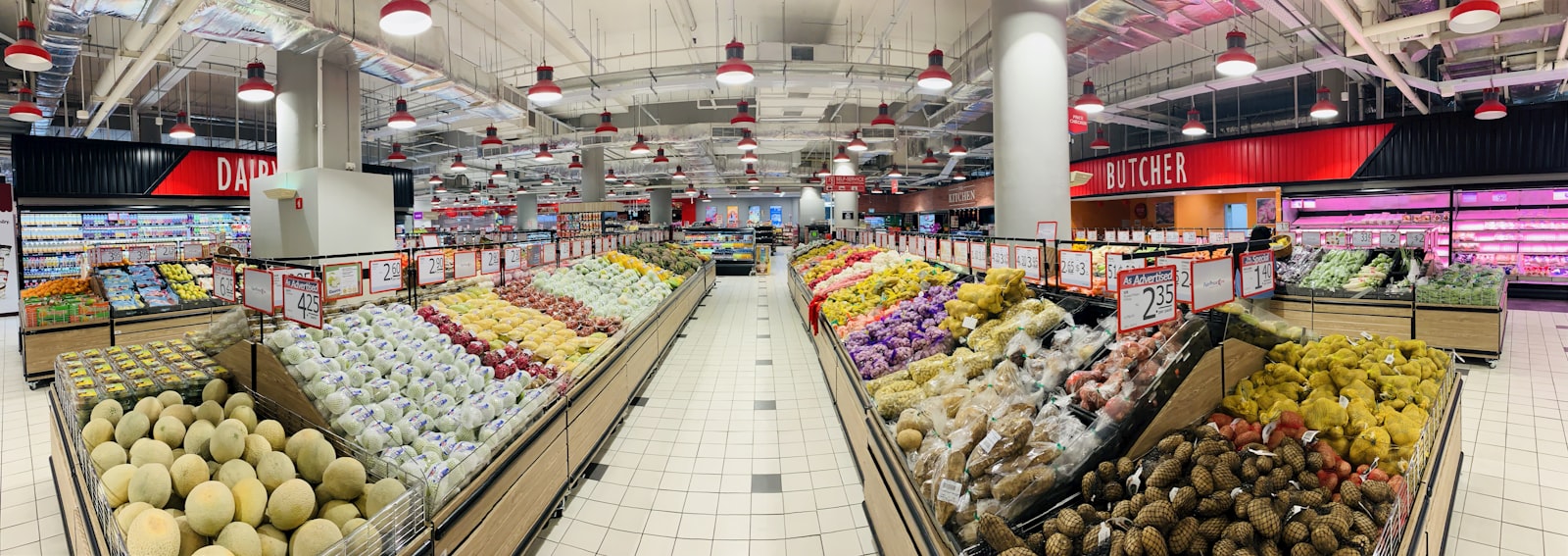
Singapore’s big supermarket chains are your everyday workhorse, and most of them carry a solid Chinese section as standard. You will find several national chains ranging from budget warehouse-style stores to mid-range neighbourhood outlets and premium supermarkets in shopping malls. Almost every one of them stocks the basics you need for Chinese home cooking.
Expect to find light and dark soy sauce, oyster sauce, sesame oil, Shaoxing cooking wine, doubanjiang, dried shiitake, wood ear fungus, dried noodles, rice vermicelli, tofu in several forms, century eggs, and frozen dumplings, buns and wontons. Fresh produce sections carry pak choi, kai lan, chye sim, Chinese cabbage, winter melon, lotus root, spring onion, ginger and garlic. Rice is sold in large bags, and you can compare jasmine, Thai and Japanese varieties easily.
The premium supermarkets, usually found in central malls, go further and import regional speciality items, Sichuan peppercorns of decent grade, better dried chillies, and a wider frozen dim sum range, though you pay more for the convenience. Budget chains keep prices low but stock a narrower selection. A practical habit is to use a mid-range chain near your flat for weekly staples and reserve a premium store for the harder-to-find seasonings.
Dedicated Asian and Chinese Grocers
When the mainstream chains fall short, dedicated Asian grocers fill the gap. These range from large speciality supermarkets aimed at the mainland Chinese community to small shophouse grocers tucked into heartland estates and older shopping centres. Areas with a strong mainland presence, such as parts of the city fringe and certain heartland towns, tend to have shops stocking exactly the brands and regional items you remember from home.
This is where to hunt for the specific things a general supermarket skips, proper Sichuan and Hunan seasonings, mala hotpot bases, a wide wall of dried goods, preserved vegetables, black vinegar, quality Chinese tea, mooncakes in season, and northern-style frozen dumplings and flour products. Many of these grocers also carry fresh hand-pulled noodles, fresh tofu skin, and cuts of meat prepared the way Chinese cooking uses them, thin hotpot slices, pork belly and spare ribs. Staff usually speak Mandarin, so you can ask for what you want by its Chinese name.
Wet Markets for Fresh Produce
For fresh ingredients, nothing beats a wet market. These are traditional fresh-produce markets, often part of a hawker centre, found in nearly every housing estate across the island. Large, well-known wet markets in areas like Chinatown, Geylang, Tekka and various heartland towns run in the morning and are busiest before lunch.
Wet markets are where you get the freshest and often cheapest vegetables, live and freshly killed seafood, fresh pork, poultry, and stalls specialising in tofu, eggs, dried goods and spices. For Chinese cooking this is ideal, you can buy a whole fish and have it cleaned and scaled, ask the pork seller for the exact cut and fat ratio you want, and pick up fresh beancurd sheets or freshly made rice noodles. Prices are usually by weight and a little bargaining or loyalty to a regular stall goes a long way. Bring your own bag, small cash notes, and go early for the best pick.
Online and Delivery Options
If you work long hours or live far from a good grocer, online shopping covers a lot of ground. The major local supermarket chains all run delivery services and apps, so weekly staples can arrive at your door. General e-commerce and grocery-delivery platforms also list Asian and Chinese speciality sellers, which is handy for bulky or heavy items like rice, cooking oil, cases of instant noodles and hotpot base kits.
For very specific regional products, community group buys organised through WeChat neighbourhood groups are popular among mainland newcomers, letting a block or estate pool an order for items shipped in bulk. Just check delivery timing for anything frozen or chilled, and read the seller ratings before committing to a large order.
Where to Buy What
| Ingredient type | Best source | Why | Tip |
|---|---|---|---|
| Everyday sauces and staples | Mainstream chain | Convenient, consistent stock | Buy a mid-range chain near home |
| Regional and hotpot seasonings | Dedicated Chinese grocer | Wider, more authentic range | Staff speak Mandarin, ask by name |
| Fresh produce, seafood, meat | Wet market | Freshest, often cheapest | Go early, bring cash and a bag |
| Frozen dumplings and dim sum | Chain or Asian grocer | Both stock a decent range | Premium stores carry more variety |
| Bulky items, rice, oil | Online delivery | Saves carrying weight | Compare app prices before buying |
Tips for Cooking Chinese Food Here
- Learn the local names. Some vegetables go by Cantonese or Malay names on labels, so kai lan, chye sim and pak choi are worth memorising.
- Stock a core pantry first. Light and dark soy, oyster sauce, sesame oil, cooking wine, doubanjiang, cornflour and dried shiitake will cover most home dishes.
- Check for a heavy wok burner. Many flats have induction or ceramic hobs, so a flat-bottomed wok and slightly adjusted technique help.
- Freeze in portions. Buy dumplings, sliced hotpot meat and stock in bulk, then freeze in meal-sized bags.
- Ask stallholders for advice. Wet market sellers will tell you what is in season and how to cook an unfamiliar fish or cut.
Stocking a Chinese kitchen in Singapore is genuinely easy once you match the shop to the ingredient. Use a nearby chain for the everyday run, a dedicated grocer for the seasonings that matter, and a wet market for anything fresh. Prices, imports and stock change, so it is always worth exploring a couple of shops near your home to find your own regular spots.
Explore more: Regional Chinese Restaurants in Singapore · Cost of Living in Singapore · Renting in Singapore Guide