
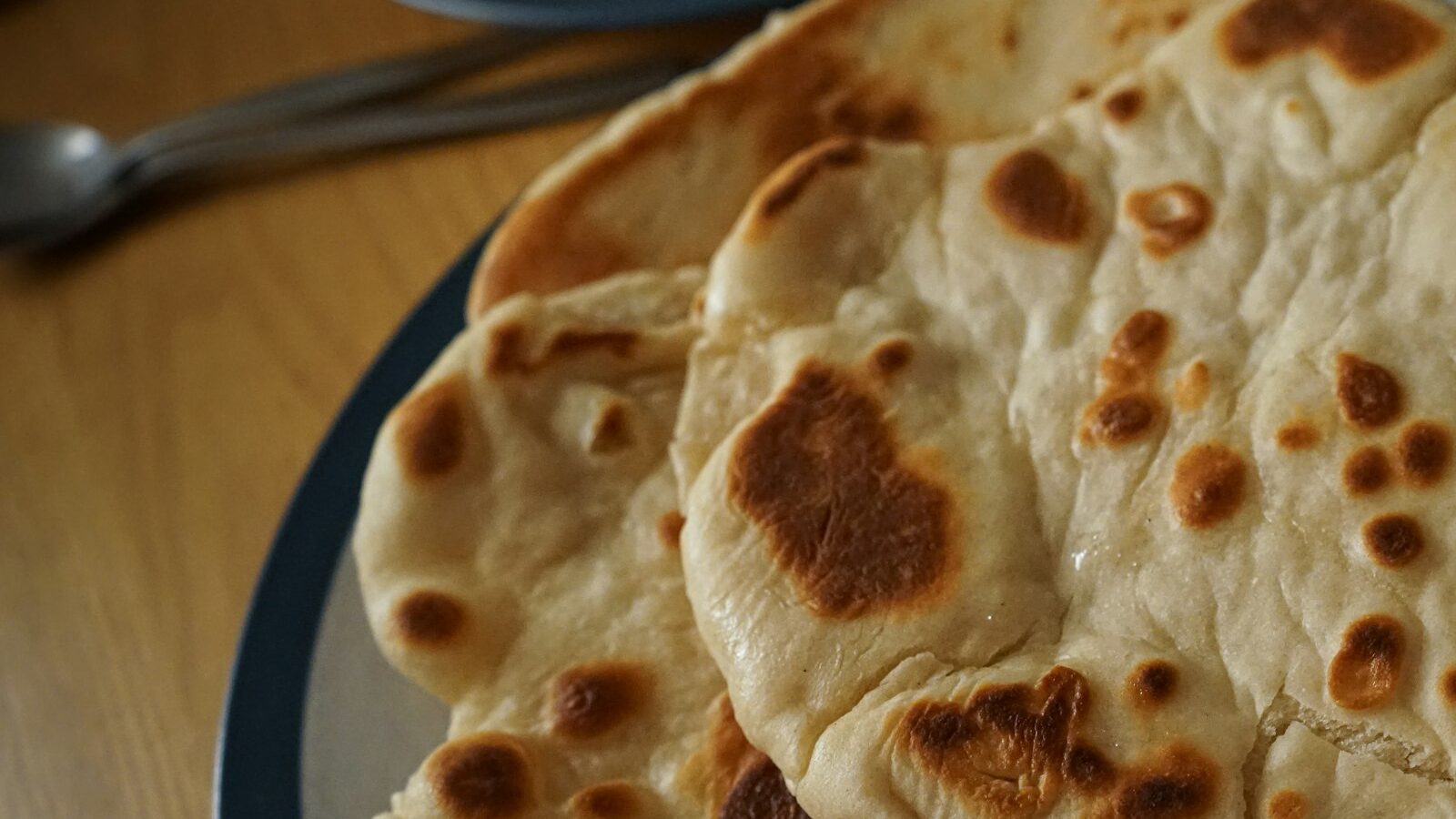
Few dishes feel as comforting as a hot plate of roti prata. This crisp, flaky flatbread is a cornerstone of everyday eating here, equally at home at a weekday breakfast, a lazy weekend brunch, or a 2am supper run. If you are new to Singapore, prata is one of the first foods worth trying; if you grew up here, it is probably already part of your routine. This guide walks you through what it is, how it is made, the classic orders, and the culture that surrounds it.
What is roti prata?
Roti prata is a pan-fried flatbread with roots in South Indian cooking, adapted and beloved across Singapore and Malaysia (where a close cousin goes by the name roti canai). The dough is made from flour, water, fat, and a little salt, then worked, rested, and stretched until it is almost translucent. Cooked on a hot griddle, it turns golden and crisp on the outside while staying soft and layered within.
The name gives you a clue to its character: “prata” points to the flattening and folding that gives the bread its signature layers. Every good plate has that contrast of a shatter-crisp edge and a chewy, buttery centre. It is almost always served with a bowl of curry for dipping, and it is meant to be eaten with your hands, torn into pieces and dunked.
How prata is made
Watching prata being made is part of the fun, and many stalls let you see the action from the counter. The process looks effortless in skilled hands, but it takes years to master.
- Rest the dough. Balls of dough are coated in oil or ghee and left to rest, which relaxes the gluten so the dough can stretch without tearing.
- Flip and stretch. The cook slaps and flings a dough ball across an oiled surface, spinning it out into a thin, wide sheet. This flipping is the showpiece move that develops the thin layers.
- Fold. The thin sheet is folded inwards into a smaller square or coil, trapping air and fat between the layers.
- Griddle it. The folded dough goes onto a hot flat griddle with a little oil, cooking until both sides are crisp and golden.
- Fluff and serve. Some cooks clap the finished prata between their hands to loosen the layers before it lands on your plate.
That folding-and-frying method is what separates prata from a plain flatbread. The trapped fat steams and crisps the layers, giving you the flaky texture that makes it so moreish.
The classic orders
Part of the joy of prata singapore style is how you can customise it. Ordering is simple once you know the words. Here are the mainstays:
- Plain (kosong). The original and, for many, the best. “Kosong” means “empty” in Malay, so this is prata with nothing added, letting the bread and curry shine.
- Egg. An egg is cracked onto the stretched dough before folding, giving a richer, slightly custardy layer inside. Kosong egg prata, the pairing of a plain piece and an egg piece, is a common go-to order.
- Cheese. Grated cheese is folded in so it melts into gooey pockets, a favourite with kids and newcomers alike.
- Onion, garlic, or mushroom. Savoury add-ins folded into the dough for extra flavour.
Modern and sweet versions
Prata has kept evolving, and many stalls now offer creative takes alongside the classics:
- Banana, chocolate, or condensed milk prata for a dessert-style treat.
- Ice cream prata, where a scoop is wrapped in warm bread.
- Prata bomb, a thicker, richer version loaded with egg and other fillings.
- Coin prata, made small and extra crisp, great for sharing.
- Murtabak, a heftier cousin stuffed with spiced minced meat, egg, and onion, usually ordered as a meal in its own right.
If you are ordering for the first time, a plain and an egg with a side of curry is the perfect starter combination. Add cheese or a sweet one if you are still hungry.
The curries that come with it
Prata without curry is only half the experience. The curry is usually included, and you can often ask for a top-up. The common styles include:
- Fish curry. A tangy, spiced gravy that is arguably the classic partner, tart and savoury against the buttery bread.
- Mutton curry (mutter). A deeper, meatier gravy for those who like it hearty. You may hear it called mutter curry.
- Dhal. A milder lentil-based curry, gentle in flavour and a good choice if you prefer less heat.
Many stalls set out more than one type so you can mix and match. If you are unsure about spice levels, ask, as most cooks are happy to point you to the milder option.
Quick tips for first-timers
- Order in pairs: one plain and one egg is a solid, filling combination.
- Eat it fresh and hot, as prata loses its crispness as it cools.
- Use your right hand to tear and dip if you want to eat the local way.
- Not sure what to get? Ask for “kosong” and a bowl of dhal to keep it simple.
- Pair it with a cup of teh tarik, the frothy pulled milk tea, for the full experience.
When locals eat prata
Prata is genuinely an any-time food. Traditionally it is a breakfast dish, a warm and filling start to the day. It is just as popular at supper, when friends gather late into the night over plates of prata and glasses of teh tarik. In between, it makes an easy lunch or a comforting snack. That flexibility is a big part of why it is so woven into daily life here.
Mamak and 24-hour culture
Much of prata’s charm lives in the eateries that serve it, often casual coffee shops and Indian-Muslim restaurants sometimes referred to as mamak stalls. Many operate around the clock, which is why prata is the unofficial food of the late-night supper crowd, students revising for exams, shift workers, and friends winding down after a night out.
These spots are famously unfussy and affordable. You sit at a simple table, order at the counter or from a passing server, and food arrives quickly and hot. As a rough guide, a plain prata is one of the more wallet-friendly bites you can find, though prices vary from place to place, so treat any figure as a ballpark rather than a fixed rate.
Is prata halal?
Prata has deep roots in Singapore’s Indian-Muslim community, and many stalls that serve it are Muslim-owned and prepare food without pork or lard. That said, halal status is never automatic. If observing halal matters to you, look for a valid halal certification displayed at the stall or check with the staff directly, as certification is issued per outlet and can change. When in doubt, ask, since the people behind the counter will know their own kitchen best.
Making prata part of your Singapore life
Whether you are here for a season or for good, roti prata is one of the easiest ways to feel at home in Singapore’s food culture. It is cheap, comforting, endlessly customisable, and available at almost any hour. Start with a plain and an egg, find a curry you love, and you will quickly understand why locals never tire of it.
Explore more: Must-try hawker food in Singapore and A guide to halal food in Singapore