
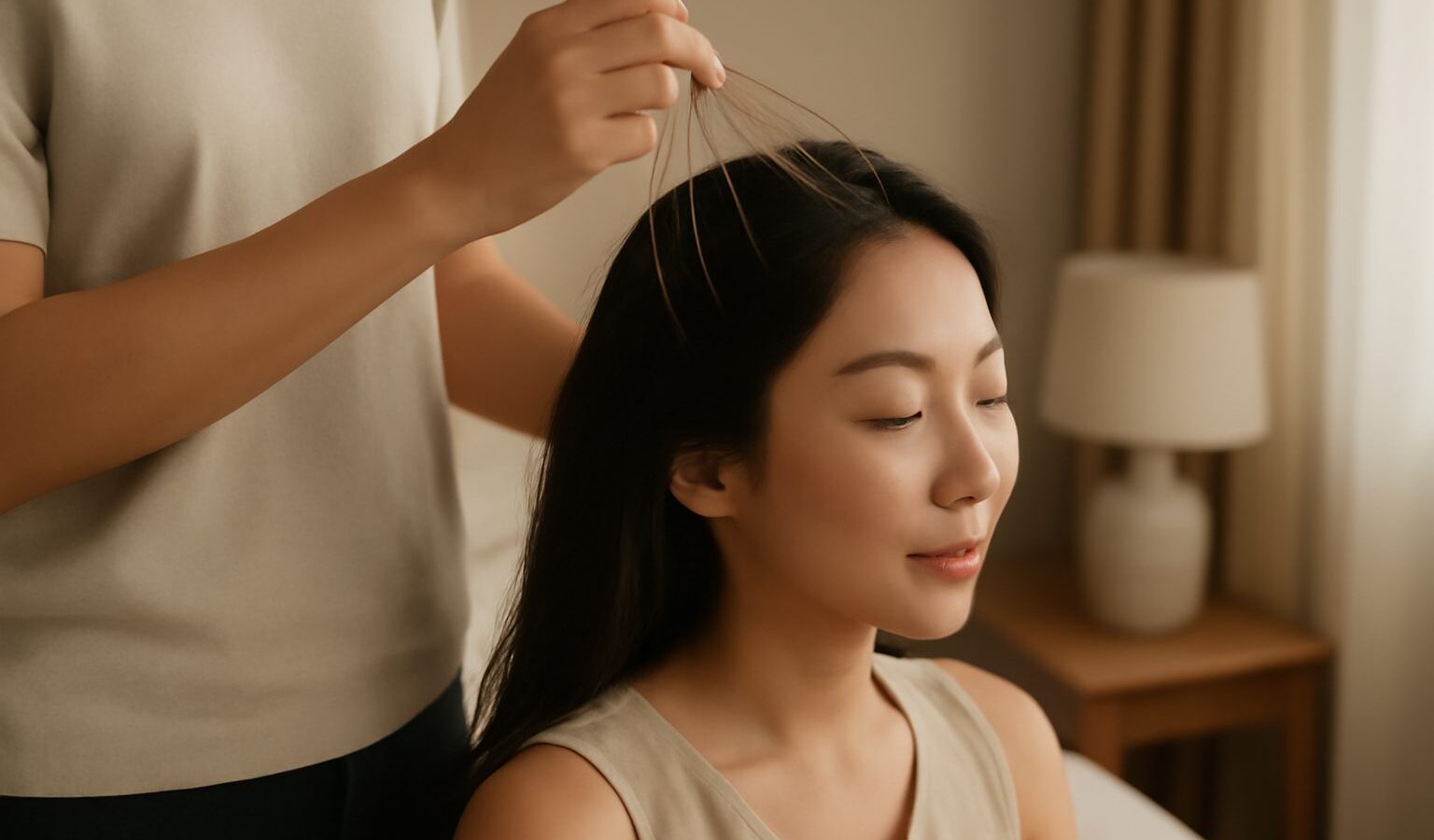
Rubbing your scalp feels wonderful, and the idea that it might also grow thicker hair is appealing. A scalp massage singapore routine has become a popular self-care ritual, folded into shampoo time or a quiet evening wind-down. Before you pin all your hopes on it, though, it is worth being honest about what the evidence does and does not show. Scalp massage is relaxing, pleasant, and low-risk, but its hair-growth benefits are limited and based on small, early studies. It is best thought of as a gentle, feel-good habit rather than a proven treatment.
What the Evidence Really Says
The research on scalp massage and hair growth is thin. A few small studies and surveys have suggested that regular massage might be associated with slightly thicker hair or reduced hair loss over months, possibly by stimulating blood flow to the follicles or by mechanically stretching the cells around them. These findings are interesting, but the studies are small, short, and far from conclusive. There is no strong proof that massage alone will regrow hair that has already thinned significantly.
So the honest picture is this: scalp massage may offer a modest supporting benefit for some people, but it is not a reliable fix for hair loss. If you enjoy it and it fits your routine, there is little downside. If you are expecting dramatic regrowth, you are likely to be disappointed. Setting realistic expectations from the start will save you frustration.
Where massage clearly shines is stress relief. It feels soothing, helps you unwind, and can become a small daily ritual you look forward to. Given how much stress can affect wellbeing, that alone is a decent reason to do it, even setting hair aside.
Why People See Some Results Anyway
If someone starts massaging their scalp and notices their hair looking better, several things may be at play. Massaging encourages you to spend gentle, mindful time on your scalp, which often means you also cleanse more thoroughly, remove build-up, and stop tugging your hair harshly. Healthier scalp habits generally support the hair you have.
It also helps distribute your scalp’s natural oils along the hair and can loosen flakes and product residue, which pairs neatly with good scalp care and dandruff practices. A clean, comfortable scalp is simply a better environment for hair to grow from. None of this means the massage itself regrew hair, but the overall routine can leave your hair looking and feeling better.
Some people combine massage with topical products they believe help, such as certain plant oils. If you are curious about one popular option, our guide to rosemary oil for hair explains where the evidence stands there too, which is similarly limited and emerging rather than settled.
How to Massage Your Scalp Properly
You do not need anything fancy. Your fingertips work perfectly well.
- Use the pads of your fingers, not your nails, to avoid scratching the scalp.
- Apply gentle, firm pressure and move in small circles.
- Work across the whole scalp: hairline, crown, sides, and nape.
- Aim for around five minutes, a few times a week.
- Keep the pressure comfortable. It should feel relaxing, never painful.
You can do it on a dry scalp, during shampooing, or with a little oil if your scalp is dry. Silicone scalp massage brushes are widely available and can make it easier on the hands, though clean fingers are just as effective. If you use a brush, wash it regularly so it does not harbour build-up.
Be gentle, especially if your hair is fragile or you are already experiencing shedding. Aggressive rubbing can tangle hair and stress the strands, which is the opposite of what you want.
Fitting It Into a Singapore Routine
In our humid, sweaty climate, scalps can get oily and congested quickly, so a short massage while you cleanse can help you feel fresher and work product through more evenly. Just avoid heavy oils near the roots if you are already prone to greasiness, and rinse thoroughly afterwards.
If you want to understand the bigger picture of how hair actually grows, sheds, and renews, our explainer on the hair growth cycle puts massage in context and shows why patience matters with anything hair-related. Real change, when it comes, unfolds over months, not days.
One important caution: scalp massage is not a treatment for medical hair loss. If you are noticing sudden, patchy, or significant hair loss, or your scalp is itchy, inflamed, painful, or flaking badly, please see a doctor or dermatologist. These can be signs of conditions that need proper assessment, and early advice gives you the best options.
Enjoy scalp massage for what it reliably is: a calming, pleasant ritual that supports a healthy scalp and helps you relax. If it nudges your hair in a good direction too, treat that as a welcome bonus rather than the main event.