
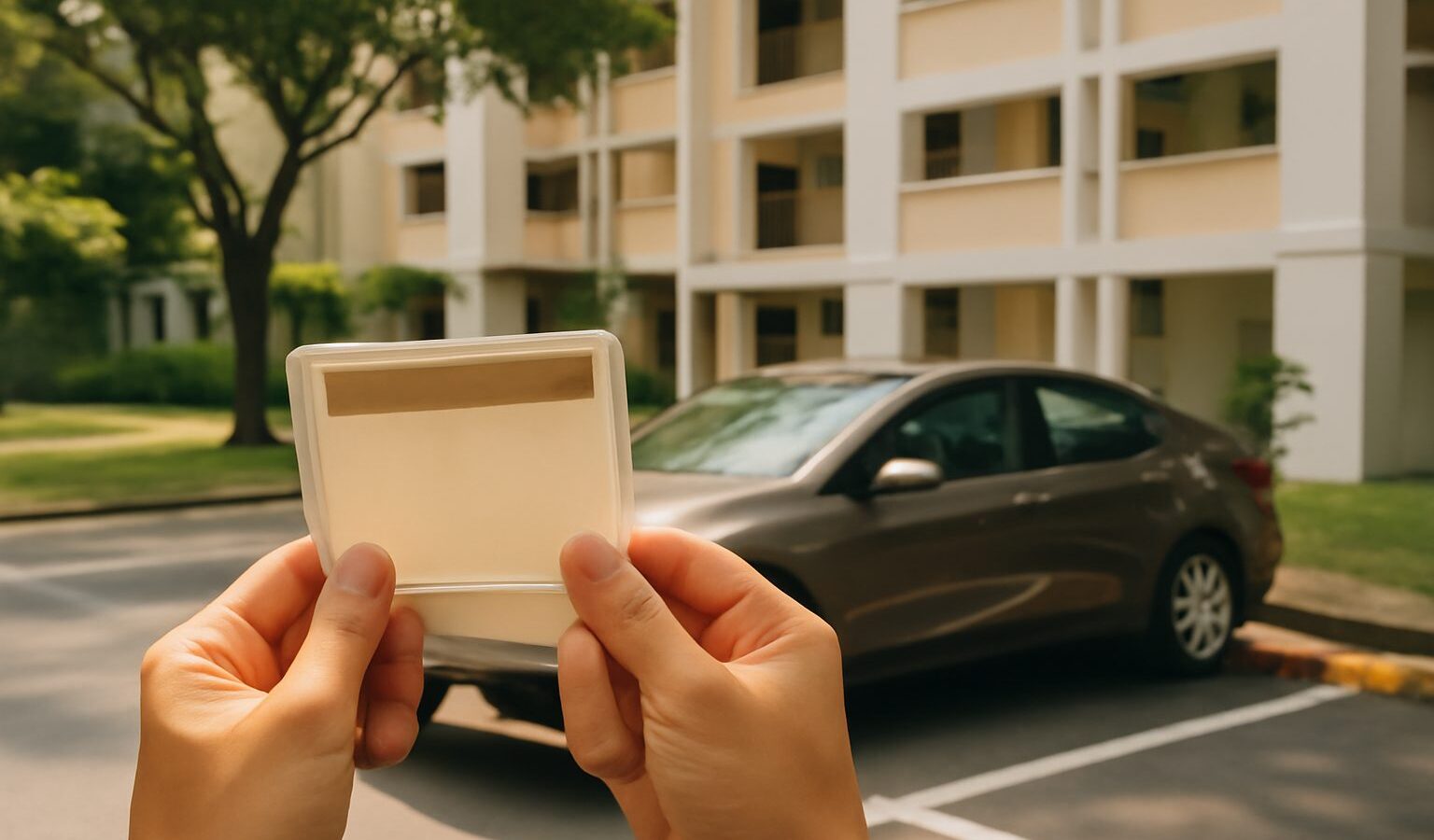
If you park in the same place most days, whether near home or at work, paying per entry quickly adds up. That is where season parking comes in. A season parking singapore drivers can apply for gives you the right to park in a chosen carpark for a fixed monthly fee, rather than paying each time. It is one of the simplest ways to make regular parking more predictable and often cheaper. This guide explains how it works and what to consider, without quoting rates, since those are set by the operators and change over time.

What Season Parking Is
Season parking is a monthly arrangement that lets you park in a specified carpark for a recurring fee. Instead of tapping in and out and paying by the hour or per entry, you hold a valid season parking ticket, sticker, or digital pass tied to that carpark and, in some cases, a specific vehicle.
The main appeal is cost certainty and convenience. For anyone who parks in the same location day after day, a flat monthly rate is usually easier on the wallet and the mind than counting up daily charges. You also avoid the small daily friction of finding coins or opening an app every single time.
It is worth knowing that season parking usually guarantees the right to park in that carpark, but not a specific reserved lot. During busy periods you may still need to hunt for a free space.
HDB, URA, and Private Carparks
Season parking in Singapore is offered by several types of operator, and the rules differ.
Public carparks run by the HDB and URA are common choices for residents and workers, especially in housing estates and town centres. Many people take up season parking at the HDB carpark near their flat for overnight and daily parking. Rates, eligibility, and whether a carpark offers residential or non-residential season parking are set by the authorities, so check the current details and apply through the official channels.
Private carparks, such as those at condominiums, commercial buildings, and shopping malls, run their own season parking schemes through the building management or the appointed operator. Terms, availability, and pricing vary widely from place to place, so you deal directly with that operator.
Because rates, categories, and eligibility differ across the HDB, URA, and private operators, and change from time to time, always verify the current figures and terms with the relevant operator rather than assuming. Do not rely on old information from a neighbour or an outdated post.
Residential Versus Non-Residential
For public carparks, there is often a distinction between residential and non-residential, or office, season parking. Residential season parking is generally intended for people who live nearby and typically covers overnight and off-peak use, while non-residential covers daytime working hours. Some drivers hold different types depending on whether they need to park near home, near work, or both.
The exact definitions, hours, and what each category permits are set by the operator, so confirm which type fits your situation and how the hours work before you apply.
How to Apply
The application process depends on who runs the carpark.
For HDB and URA carparks, applications are handled through the official government channels, and you will usually need details such as your vehicle registration and supporting documents. For private carparks, you apply through the building’s management office or its appointed parking operator.
In general, be ready to provide:
- Your vehicle registration number
- Identification and, for residential schemes, proof of address
- Payment details for the recurring fee
Approval and the start date depend on availability, since popular carparks can have limited season parking allocations or waiting lists. Apply early if you are relying on a specific carpark.
Is Season Parking Worth It?
Whether season parking pays off comes down to how often and how long you park. If you park in the same carpark most days, a monthly rate is usually cheaper and far more convenient than paying per entry. If your parking is occasional or spread across many locations, paying as you go may work out better.
It helps to look at your parking as one part of your overall cost of driving. Our guide to lowering your car running costs puts parking in context alongside fuel, insurance, and servicing, and for the bigger picture, the cost of owning a car in Singapore is worth a read.
A few practical questions to weigh up:
- How many days a month do you actually park there?
- Does the carpark get full at the times you need it?
- Do you need both home and work season parking, or just one?
- Is there a cheaper public option nearby if the private rate is steep?
A Note on Everyday Parking
Season parking covers your regular spot, but you will still park elsewhere from time to time. Knowing the wider system helps, from short-term charges to finding a space in busy areas. Our overview of parking in Singapore rounds out the everyday side of things for trips beyond your usual carpark.
The Bottom Line
Season parking in Singapore is a smart, money-saving option for anyone who parks regularly in the same place, offering a predictable monthly fee instead of daily charges. Choose the right type for your needs, whether HDB, URA, or a private carpark, and apply through the correct official channel. Because rates and eligibility are set by the operators and change over time, always confirm the current figures and terms directly with them before committing.
Official sources: Land Transport Authority (LTA)