
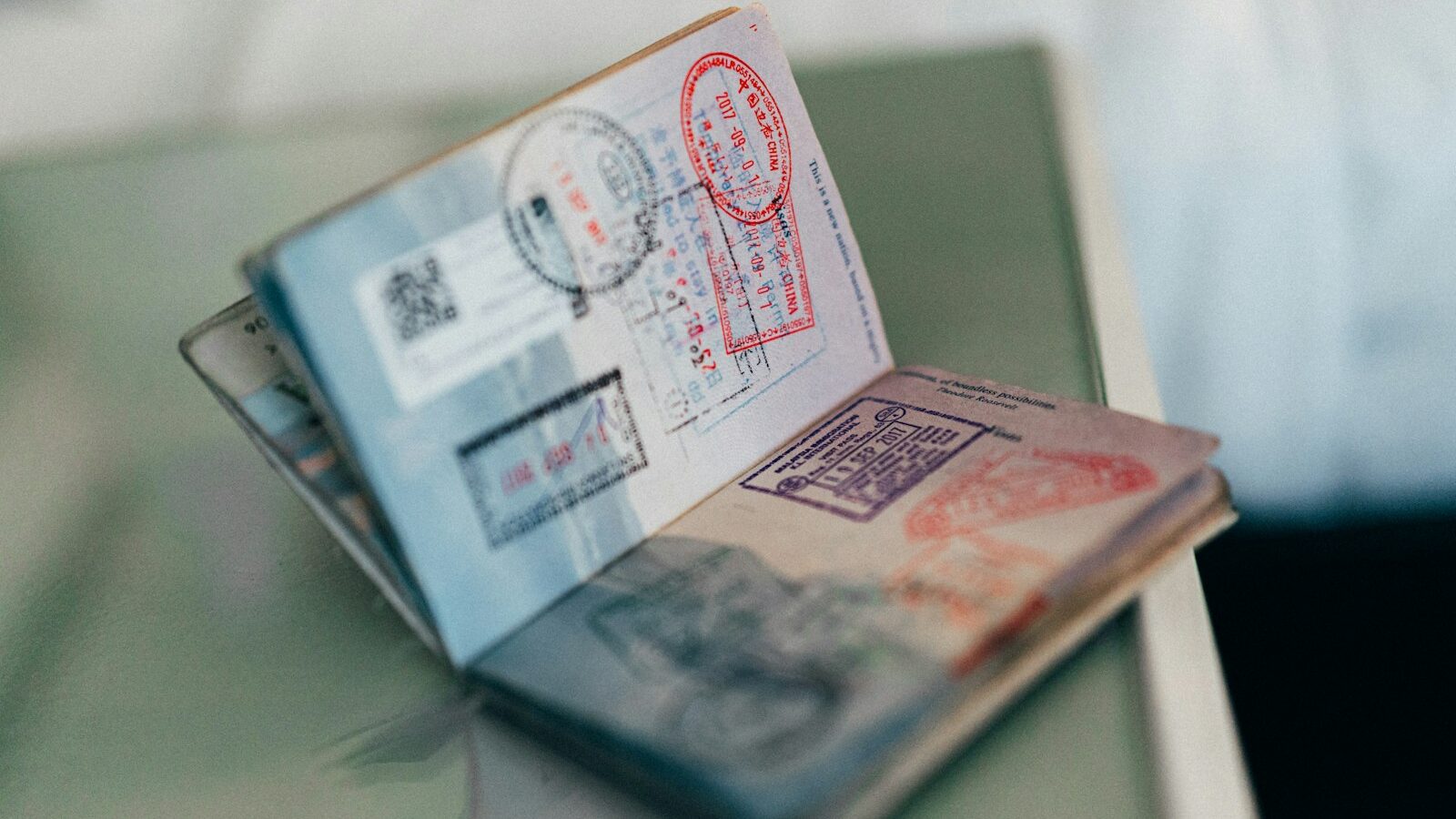
Becoming a Singapore citizen is usually the last step in a longer journey, one that most people reach after several years as a Permanent Resident (PR). It is not a form-filling exercise so much as a considered decision, because Singapore does not allow adults to hold dual citizenship, so taking it up means giving up the passport you hold now. This guide sets out who can apply, how the application actually works, what the Immigration and Checkpoints Authority (ICA) weighs, and the practical trade-offs to think through before you commit. It is general information rather than legal advice, and the definitive rules always sit with ICA and the relevant agencies.
Who can apply
There is no single route to citizenship. ICA assesses applications under several categories, and which one applies to you shapes both your eligibility and the documents you will need. The common paths are:
- Permanent Residents: the most common route. Applicants are generally aged 21 or above and have held PR status for a period of years before applying. Your record as a PR, including how settled and contributing you are, matters here.
- Spouses of Singapore citizens: a foreign spouse married to a citizen may apply, typically after a period of marriage and residence in Singapore. You will usually need to be a PR as well.
- Children of Singapore citizens: unmarried children under 21 who are PRs can be included in a parent’s application or sponsored separately. Children born overseas to a Singapore citizen parent may also have a claim to citizenship by descent, which is a separate ICA process from naturalisation.
- Aged parents: in limited circumstances, an elderly PR parent of a citizen may be sponsored.
If you are not yet a PR, that is almost always the necessary first step. Sorting out PR status, and holding it long enough to build a track record, comes before a citizenship application makes sense.
How the application works
Applications are submitted online through ICA’s e-Service, and the process is document-heavy. You cannot rush it: gathering paperwork properly is the part most applicants underestimate. Broadly, the flow runs as follows:
- Prepare your documents. Collect identity papers, your PR records, educational and professional qualifications, employment and income records, and family and marriage certificates. Documents not in English generally need an official translation.
- Submit online via ICA. Complete the e-Service application, upload your supporting documents, and pay the processing fee. Include eligible family members (spouse, children under 21) where you intend to apply together.
- Assessment by ICA. The application is reviewed against ICA’s criteria. Processing can take many months, and ICA may request further documents or clarification during this time.
- Outcome. ICA notifies you of the decision. Approval is at the authorities’ discretion; there is no automatic entitlement, and being eligible is not the same as being approved.
The table below groups the kinds of documents ICA typically expects. Treat it as a planning checklist, and confirm the exact list for your category on ICA’s site, since requirements vary by route.
| Category | What it typically covers |
|---|---|
| Identity and status | Passport, birth certificate, PR re-entry permit and identity card |
| Family | Marriage certificate, children’s birth certificates, family details |
| Education and qualifications | Certificates, transcripts, professional accreditation |
| Employment and income | Employment letters, payslips and income tax records (IRAS) |
What ICA weighs in a decision
ICA does not publish a scoring formula, and there is no fixed number of years or income that guarantees approval. Instead, assessment is holistic, looking at whether you are likely to sink roots and integrate. Applicants who understand this focus on substance rather than ticking boxes. The considerations that genuinely count include:
- Length and stability of residence: how long you have lived in Singapore and how consistently, rather than spending most of the year abroad.
- Economic contribution: your employment, income and tax history, or your business and its role here, seen over time rather than a single strong year.
- Family and social ties: a Singaporean spouse or children, and how embedded your household is in local life.
- Integration: genuine involvement in the community, familiarity with local norms, and a demonstrated intention to make Singapore your permanent home.
- Age and qualifications: your ability to keep contributing over the long term.
Common missteps are treating citizenship as a natural reward for time served, submitting a thin application with gaps or unexplained absences, or applying while your circumstances (job, residence, marriage) are still unsettled. A well-prepared, complete and honest application does far more for your chances than any single credential.
Giving up your current citizenship
This is the single most important trade-off, and the one that catches people out. Singapore does not permit adults to hold dual citizenship. If your application is approved, you will be required to renounce your existing citizenship before you can formally take up Singapore citizenship. That has real, practical consequences worth mapping out in advance:
- It is usually hard to reverse. Regaining a renounced citizenship, or resuming Singapore citizenship if you later gave it up, is not guaranteed and is often difficult.
- Your home country’s rules also apply. Some countries make renunciation slow, costly or conditional, and a few restrict it. Check with your country of origin’s authorities, not only with ICA.
- Practical ripple effects. Property ownership, inheritance, pensions, business rights and even visa-free travel in your country of origin can change once you are no longer its citizen.
- Travel and family: visiting relatives or maintaining ties abroad may now require visas, and family members who do not naturalise keep a different status.
Because this step is largely irreversible, it deserves proper thought and, where the stakes are high, professional advice on the tax and legal consequences in both countries.
National Service, and the family angle
For families with sons, National Service (NS) is a decisive factor to understand before applying, not after. Male applicants and the male children of new citizens and PRs generally incur NS liability under the rules administered by MINDEF and the Ministry of Home Affairs. In practice this means:
- Sons are affected too. Second-generation males (sons of citizens or PRs) are typically liable for full-time NS and subsequent reservist obligations.
- Timing matters. When a boy takes up citizenship or PR relative to his age can affect his obligations, so families often plan around this deliberately.
- It is a commitment, not a formality. Attempting to enjoy the benefits of status and then leave to avoid NS is treated seriously and can affect the whole family’s future dealings with the authorities.
Discuss the NS implications as a household. For many families it is a meaningful part of belonging here; either way, it should be understood clearly rather than discovered later.
After approval: taking up citizenship
Approval is not the finish line. Before you become a citizen there is a defined sequence to complete, and it is worth knowing so nothing stalls:
- The Singapore Citizenship Journey. New citizens complete an orientation programme designed to build familiarity with Singapore’s history, values and society.
- Renunciation and the Oath. You renounce your previous citizenship as required, then take the Oath of Renunciation, Allegiance and Loyalty, and collect your Singapore Citizenship Certificate.
- Registering as a citizen. With your certificate, you apply for your NRIC and Singapore passport, and cancel your foreign identity and travel documents in line with both countries’ rules.
Only once these steps are done are you fully a citizen, with the right to vote, to hold a Singapore passport, and access to the responsibilities that come with it, including NS for eligible males.
The takeaway
Applying for Singapore citizenship is a considered, largely irreversible decision that usually follows years as a PR. Work out which category you fall under, build a complete and honest application, and be realistic that eligibility does not guarantee approval. Above all, weigh the renunciation of your current citizenship and, for families, the NS obligations, before you begin rather than after. Because the eligibility rules, documents and processes are set by the authorities and do change, confirm the current details with ICA, and check your country of origin’s rules on renunciation with its own authorities. This is general information, not professional advice; for significant tax, legal or property consequences, seek qualified guidance.
Explore more: Singapore citizenship guide · Immigration and PR policy explained · Renewing your PR in Singapore