
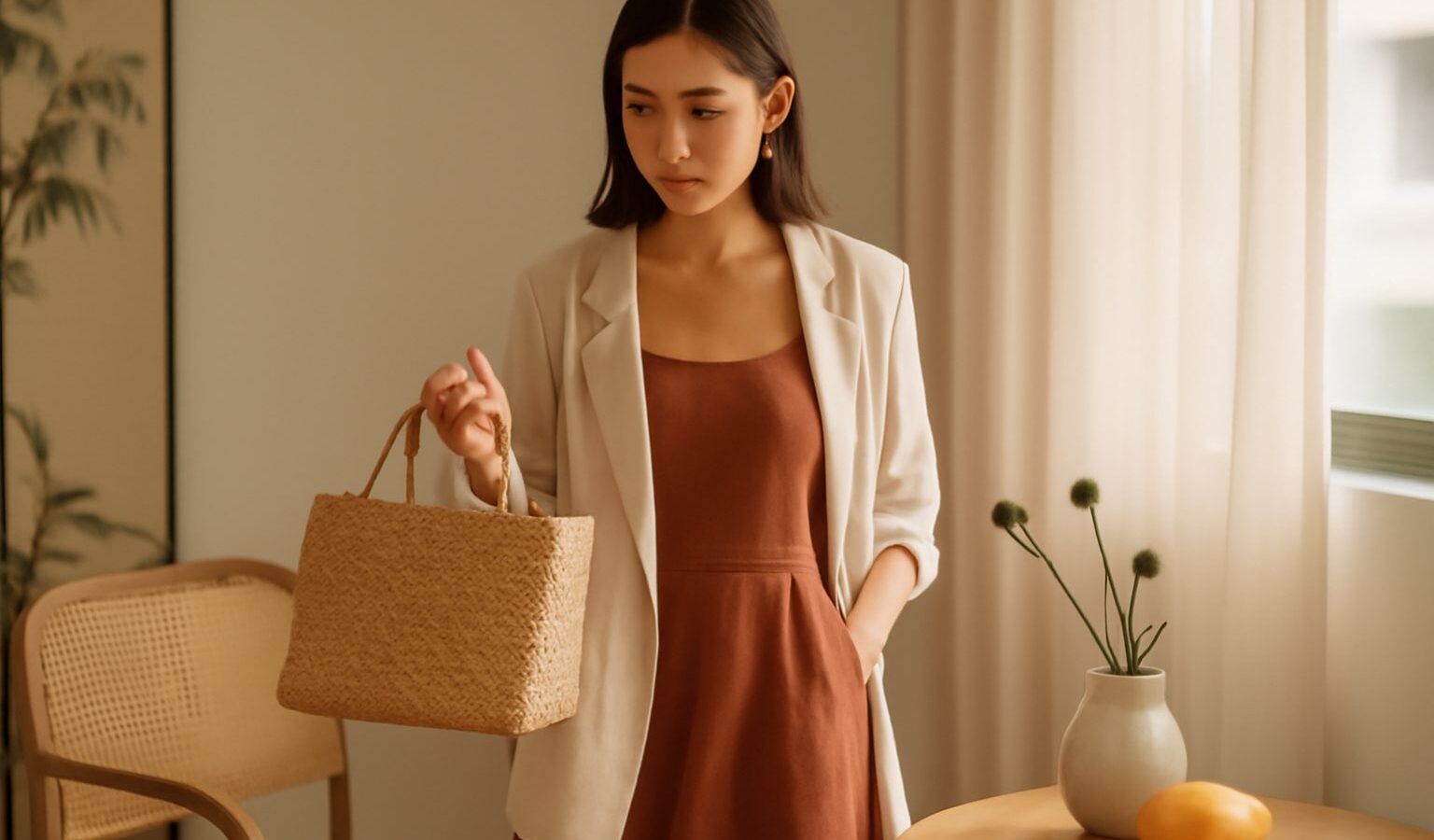
Singapore fashion is shaped by two things above all: a hot, humid climate and a mix of cultures living side by side. Put those together and you get a way of dressing that is practical, layered with heritage, and increasingly confident about being made here rather than imported wholesale. The mainstream picture is familiar, with malls full of international brands and fast fashion, but underneath that runs a steady, growing community of local designers and independent labels building something with more of a point of view. This guide looks at how the scene works, what home-grown designers are doing, how people actually dress for the tropics, and how to support local labels without guesswork.
Dressing for the Tropics
Any honest conversation about Singapore fashion starts with the weather. It is warm and humid all year, so the clothes that work here are the ones that let you move, breathe, and stay presentable through a day that might swing between blazing sun and heavy air-conditioning.
That practical reality has quietly shaped local style. Lightweight, breathable fabrics like cotton and linen are staples. Loose, easy silhouettes tend to win over heavy, structured ones. The art of dressing here is often about layering smartly: something light for the outdoors, with a thin extra layer for the cold indoors of offices, malls, and the train. Footwear leans towards sandals, slip-ons, and breathable shoes for most of the year.
None of this means style takes a back seat. If anything, the constraint pushes designers to be inventive with cut, drape, and fabric rather than relying on the heavy tailoring that suits cooler climates. Good tropical dressing is a skill, and the local scene has spent a long time refining it.
What Home-Grown Designers Are Doing
The most interesting part of Singapore fashion is the independent and home-grown segment. These are designers and small labels working outside the big international chains, often selling online, at pop-ups, at markets, and through a handful of multi-label boutiques.
Their work tends to cluster around a few approaches:
- Ready-to-wear built for the climate, with an emphasis on wearable, everyday pieces cut for the heat rather than seasonal collections copied from cooler places.
- Heritage and craft-informed design, drawing on the region’s textile traditions, batik, and cultural dress, and reworking those references into contemporary clothing. This is done with varying degrees of directness, and the best of it is respectful rather than superficial.
- Modest and occasion wear, including labels serving communities who dress modestly and a healthy trade in festive and bridal wear tied to cultural celebrations.
- Accessories, jewellery, and small goods, often where new designers start because the barrier to entry is lower.
- Slow and considered production, with a number of independents making in small runs, focusing on quality and longevity over volume.
Because labels open, rebrand, and close regularly, this guide keeps to what designers are doing rather than fixing on names that may change. If a particular label catches your eye, it is worth checking that it is still trading and checking current details before you plan a visit or a purchase.
Heritage Threads in Local Style
Singapore’s cultural mix shows up in what people wear, and local designers draw on it. Traditional and cultural dress remains part of everyday life, especially around festivals, weddings, and religious occasions, and it sits comfortably next to modern clothing rather than being sealed off as costume.
Regional textile traditions are a recurring source of inspiration. Batik, songket, and other heritage fabrics appear both in traditional garments and, increasingly, in contemporary pieces that reinterpret them. Peranakan culture, with its distinctive dress and embroidery, is another well local designers return to. The care here matters: traditions belong to communities and vary between families and groups, so the most thoughtful designers treat these references as living heritage to work with respectfully rather than motifs to lift.
The takeaway is that heritage in Singapore fashion is not nostalgia. It is a set of living materials and forms that designers keep finding new uses for, which is part of why the local scene feels rooted rather than generic.
Where the Scene Sits: A Comparison
It helps to see how the home-grown scene compares with the mainstream options most people default to. This table is a general guide, not a strict ranking.
| Segment | What it offers | Typical price | Where you find it |
|---|---|---|---|
| International fast fashion | Trend-led, high volume, familiar | Low to mid | Large malls, chain stores |
| International mid to luxury | Global brands and prestige labels | Mid to high | Flagship stores, department stores |
| Local independent labels | Distinct point of view, climate-aware | Mid, varies widely | Online, pop-ups, boutiques |
| Heritage and cultural wear | Traditional and festive dress | Varies by piece | Specialist shops, cultural enclaves |
Most people mix across these segments rather than staying in one. A wardrobe here might pair chain-store basics with one or two local pieces and something cultural kept for special occasions.
How to Support Local Labels
Backing home-grown fashion is more straightforward than it looks, and it matters more than for large brands because the margins and audiences are smaller.
A few practical ways in:
- Follow local designers and independent boutiques on social media, where most announce drops, restocks, and pop-up appearances.
- Visit design markets, craft fairs, and pop-up events, which are among the easiest places to meet several local labels in one trip and see the clothes in person.
- Buy fewer, better pieces. Much of the local scene leans towards considered, longer-lasting design, which fits well with a slower approach to your wardrobe.
- Ask about materials and where things are made. Independent makers are usually happy to talk, and it helps you buy well.
If you are just starting to explore, treat it as an ongoing habit rather than a single shopping trip. The scene rewards regulars: turning up to markets, keeping an eye on new labels, and spreading the word all help a small designer keep going. Over time you build a wardrobe that suits the climate, reflects where you live, and quietly supports people making clothes close to home. That, more than any single trend, is what gives Singapore fashion its own character.
Explore more
Fashion is one thread in the wider creative story, so it pairs naturally with our guide to Singapore’s design and creative scene and our overview of the Singapore theatre and arts scene. For the heritage side of local style, read our Peranakan culture guide and explore the ethnic enclaves where cultural dress and textiles remain part of daily life.