
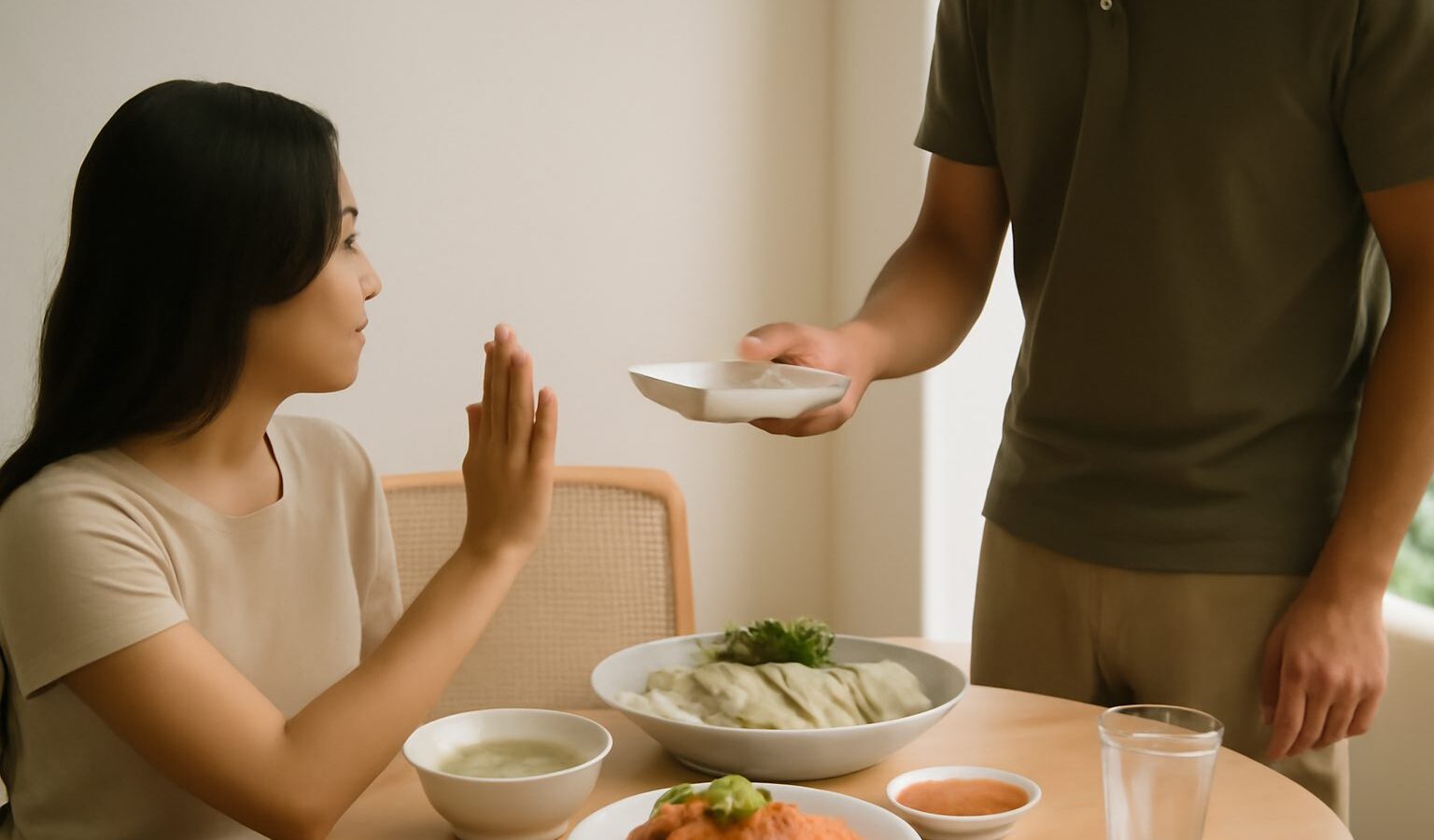
Every city has its unwritten rules, and Singapore etiquette runs on a quiet, practical logic once you learn to read it. Singapore is orderly, multicultural, and famously fond of doing things properly, so the social norms here tend to reward a little patience, a little consideration, and a willingness to observe before you leap. None of it is hard, and locals are forgiving of honest mistakes. Still, getting the basics right earns you goodwill quickly and helps you blend in rather than stand out.
This is a warm, practical rundown of how people behave in shared spaces, at the table, and with one another, so you can move through daily life here with ease.
Chope-ing Seats and the Tissue Packet Rule
Walk into any busy hawker centre or food court at lunchtime and you will see packets of tissue sitting alone on tables. This is “chope-ing”, the local custom of reserving a seat by leaving a small item on it, usually a humble packet of tissue paper. It is one of the most Singaporean things you will encounter, and it genuinely works. An unwritten social contract means people respect a choped seat and look elsewhere.
A few pointers so you handle it gracefully:
- To chope, place a tissue packet, umbrella, or something cheap on the seat, then go order your food. Do not use your phone or wallet; that is asking for trouble.
- If you see a choped table, leave it be even if the owner is not in sight. They are almost certainly in the queue.
- Chope only what you need. Reserving a table for eight when your group is two is poor form.
- During peak hours, be ready to share a large table with strangers. A quick “excuse me, can share?” is perfectly normal and welcome.
Chope-ing is efficient and fair once you accept the premise, and joining in is a small but satisfying sign that you have settled in.
Queueing, the National Sport
Singaporeans queue for everything, and they queue seriously. Lines form quickly, move in an orderly fashion, and cutting is one of the fastest ways to draw disapproval. This applies far beyond food. Expect neat queues at bus stops, MRT platforms, taxi stands, and ATMs.
On public transport there are a few habits worth adopting straight away. Let passengers exit the train or bus before you board, standing to the sides of the doors rather than blocking the middle. Move into the centre of the carriage so others can get on. Offer priority and reserved seats to the elderly, pregnant women, and anyone who needs them more than you do. Keep your phone conversations and music low, since loud noise on public transport is frowned upon.
Escalator etiquette is real too. People generally keep left if standing so those in a hurry can walk on the right. Follow the flow and you will rarely go wrong.
Dining Like a Local
Eating is central to life here, and the table has its own gentle rules. At hawker centres, you typically order and pay at each stall, carry your own food back, and increasingly, return your tray to the designated points after eating. Clearing your table has become both a courtesy and a habit worth keeping.
When dining with locals, especially at Chinese meals, dishes are usually shared in the middle and you take from communal plates. Using the serving spoon provided, rather than your own utensils, is the polite move. If you are eating with Malay or Indian friends in a traditional setting, remember that the right hand is used for eating and passing food, as the left is considered unclean. When in doubt, watch what your hosts do and follow their lead.
A note on halal and dietary considerations, since Singapore is diverse: many Muslim friends eat only halal food and do not consume pork or alcohol, many Hindus do not eat beef, and vegetarianism is common across communities. If you are hosting or ordering for a group, a quick, respectful check on preferences is always appreciated. Practices vary between families and individuals, so ask rather than assume.
Gifts, Greetings, and Personal Space
Singaporeans are warm but not overly effusive on first meeting. A handshake is standard, though some, particularly more traditional or religious individuals, may prefer a nod or a slight bow instead of physical contact. A friendly smile carries you a long way.
Gift-giving comes with a few culturally specific notes worth knowing, especially around festivals and home visits:
- Bring a small gift when invited to someone’s home, such as fruit, snacks, or a treat to share. It is a kind gesture rather than an obligation.
- Present and receive gifts, business cards, and items of importance with both hands where you can. It reads as respectful.
- During Chinese New Year, red packets (hongbao) of money are given by married adults to children and unmarried juniors. Avoid clocks and sharp objects as gifts to Chinese friends, as they carry unlucky associations.
- Around Hari Raya, green packets serve a similar purpose in the Malay community, while Deepavali brings its own warm traditions of sweets and visiting.
Details vary by family and community, so treat these as friendly guidelines rather than strict rules, and nobody will mind an honest slip.
Public Behaviour and Local Sensibilities
Singapore has a well-earned reputation for cleanliness and order, backed by rules that visitors should take seriously. Littering, jaywalking, and smoking outside designated areas can attract fines. Eating and drinking are not allowed on the MRT and buses, and that includes water and sweets. Public spaces are kept tidy by shared effort, so bin your rubbish and keep things neat.
Beyond the rules, there is a general tone of consideration. People tend to keep their voices moderate in public, avoid confrontation, and value harmony in a densely packed, multicultural society. Being loud, pushy, or dismissive of others stands out for the wrong reasons. Modesty in dress is sensible when visiting places of worship, where you may need to cover shoulders and knees and remove your shoes.
Here is a quick reference for common situations and what is generally expected.
| Situation | Do this | Avoid |
|---|---|---|
| Reserving a hawker seat | Leave a tissue packet to chope | Using your phone or wallet |
| On the MRT or bus | Queue, let others exit first, keep quiet | Eating, drinking, or blocking doors |
| At a shared meal | Use serving spoons, take your share | Digging in with your own utensils |
| Visiting a home | Bring a small gift, remove shoes if asked | Arriving empty-handed to a formal invite |
| Places of worship | Dress modestly, follow local customs | Loud behaviour or ignoring dress codes |
Use it as a starting point, not a rulebook, and pay attention to the people around you.
Settling In With Grace
The reassuring truth about Singapore etiquette is that locals are patient with newcomers who are trying. Nobody expects you to master every custom on day one. What people notice, and warmly reward, is the effort: queueing without fuss, clearing your table, keeping your voice down, and showing respect across the country’s many cultures. Do that, and you will find Singapore an easy, gracious place to live and visit. The norms are not there to trip you up. They are the quiet machinery that keeps a crowded, diverse island running smoothly and kindly.
Explore more
Manners at the hawker table deserve their own read, so see our hawker centre etiquette guide next. To understand the mindset behind some of these habits, our piece on Singaporean identity and kiasu culture is a natural companion, and for festive customs and gift-giving in context, browse our Singapore festivals guide.