
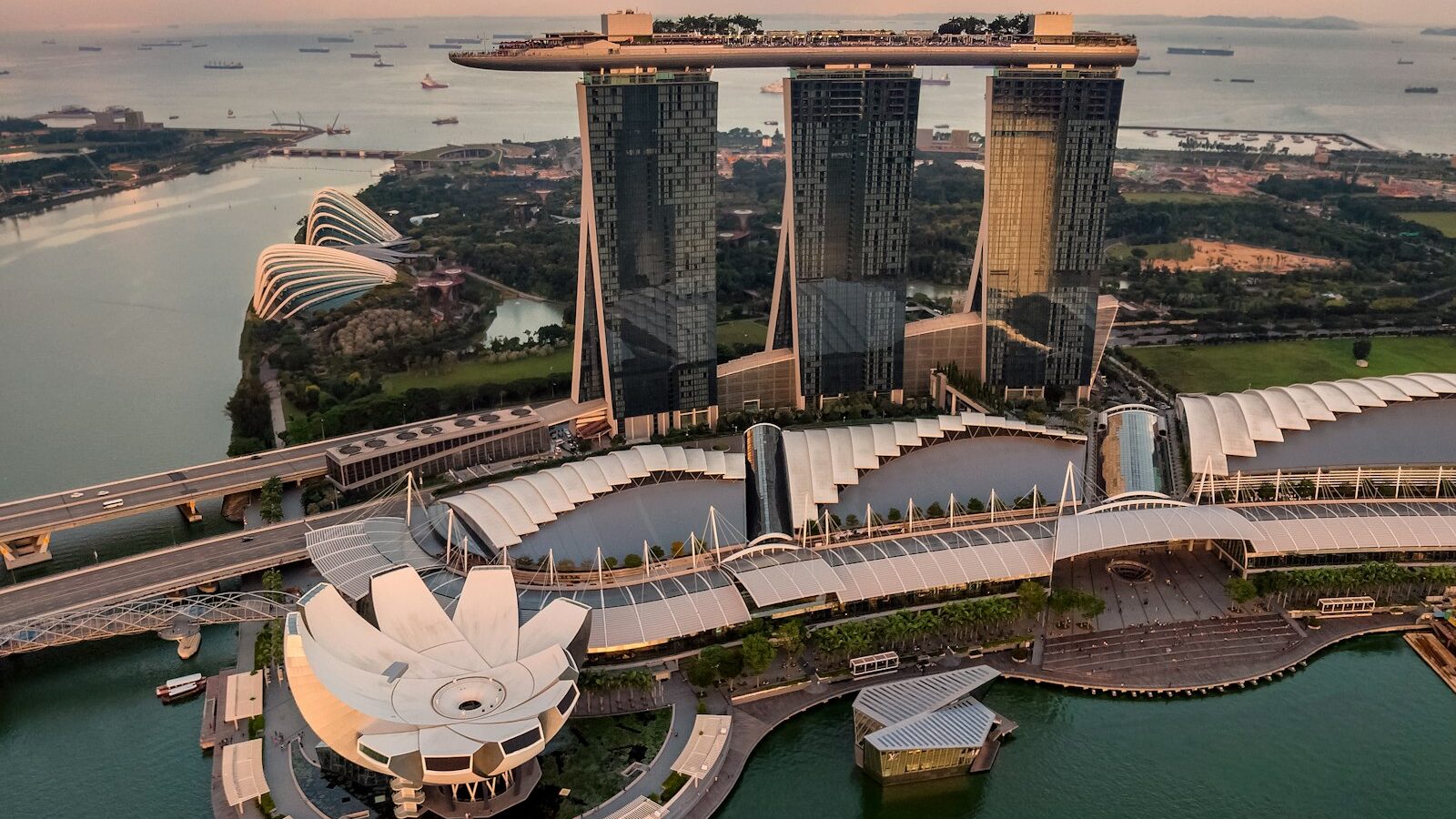
The story of the singapore economy is one of the most remarkable in modern history: a small island with no natural resources transformed, within a couple of generations, into a wealthy, advanced global hub. Understanding how it works helps explain why the country feels so prosperous and international, and why so many businesses and workers are drawn here. This guide explains, in plain terms, how Singapore built its success, the key sectors that drive it, why trade is so central, and the ideas behind its economic model. It is a general overview, so for detailed statistics and current data, refer to the official government and statistical sources.
From humble beginnings to global hub
Singapore’s economic rise is often described as going from a developing port to a first-world economy in a short span of time. Lacking natural resources and even sufficient land and water, the country turned its constraints into a strategy: it leaned on its strategic location, its harbour, and above all its people. By welcoming trade and investment, investing heavily in education and infrastructure, maintaining stability and the rule of law, and staying open to the world, Singapore made itself indispensable as a hub for commerce, finance and logistics. Its success is frequently attributed to sound long-term planning, pragmatism and an openness that many larger economies struggle to match.
Why trade is central
Trade is the lifeblood of the economy. As a small nation with a limited domestic market, Singapore thrives by connecting the world: goods, capital and services flow through it, and it adds value at every step. Its port is among the busiest and most important globally, a natural role given its position along major shipping routes. This outward orientation means the economy is deeply linked to global conditions, which brings both opportunity and exposure to international ups and downs.
A simple way to grasp it: Singapore does not succeed by selling its own raw materials, because it has almost none. It succeeds by being the place where the world’s trade, money and expertise meet and multiply.
The key sectors
The modern economy is diverse and sophisticated, spanning several major pillars:
- Financial services. Singapore is a leading financial centre, home to banks, asset managers and a deep pool of financial expertise.
- Trade and logistics. Built on its world-class port and connectivity, moving and managing goods for the region and beyond.
- Manufacturing. Including advanced, high-value sectors such as electronics, precision engineering, chemicals and biomedical products.
- Professional and business services. Legal, consulting, technology and other services that support regional and global business.
- Technology and innovation. A growing focus, with efforts to build a vibrant ecosystem for startups, research and digital industries.
- Tourism and hospitality. Drawing visitors for business and leisure to its attractions, events and dining.
This diversity gives the economy resilience, since it does not rely on any single industry.
The role of government and planning
A distinctive feature of the Singapore model is the active, strategic role of the government in shaping economic development. Through long-term planning, investment in infrastructure and education, business-friendly policies, and a stable, transparent environment, the state has helped create the conditions for enterprise to flourish. The approach is pragmatic and forward-looking, continually anticipating shifts in the global economy and steering the country to stay competitive. This partnership between an efficient state and a dynamic private sector is central to how things work here.
Openness to talent and business
Singapore’s prosperity is closely tied to its openness. It has long welcomed foreign investment and multinational companies, which bring jobs, expertise and connections, and it draws skilled workers and entrepreneurs from around the world. This openness is part of why the workforce and the streets feel so international, and why the country punches far above its size in global business. It also means competition for opportunities can be keen, and that the economy is closely engaged with global trends.
Quick overview at a glance
- A small island turned global hub through trade, planning and openness.
- Trade and its world-class port are central to the economy.
- Key sectors include finance, logistics, advanced manufacturing, services and technology.
- Government plays an active, strategic role in development.
- Openness to foreign investment and talent underpins prosperity.
- The economy is diverse, which builds resilience.
Challenges and the road ahead
No economy is without challenges, and Singapore’s model faces its own. Because it is so open and trade-dependent, the country is exposed to global downturns, shifts in world trade and competition from other hubs. Domestically, a small population and an ageing society raise questions about the future workforce and productivity, while the high cost of living and of doing business is a constant concern. Like everywhere, it must also navigate technological disruption and the transition to a greener economy. The response has been characteristically forward-looking: investing in skills and lifelong learning, encouraging innovation and higher-value activities, and continually adapting to stay competitive. Understanding these challenges gives a more balanced picture than the success story alone, and it explains why there is such constant emphasis here on upgrading skills, raising productivity and preparing for what comes next rather than resting on past achievements.
What it means for you
For residents and newcomers, understanding the economy explains a lot about daily life: the abundance of international companies and jobs, the high cost of living that comes with prosperity and limited land, and the constant emphasis on skills and adaptability. It also explains why the country invests so much in staying competitive, from infrastructure to education to innovation. Whether you are working here, running a business, or simply making sense of the place, appreciating the economic engine behind Singapore’s success gives useful context.
The singapore economy is a story of turning constraints into strengths: a resource-poor island that became rich by connecting the world, cultivating its people, and planning for the long term. Its diverse sectors, openness and strategic approach continue to drive its prosperity. This guide is a general overview rather than an economic report, so for detailed and current statistics, always refer to the official government and statistical sources.
Explore more: Singapore history timeline, Getting a job in Singapore, Cost of living in Singapore