
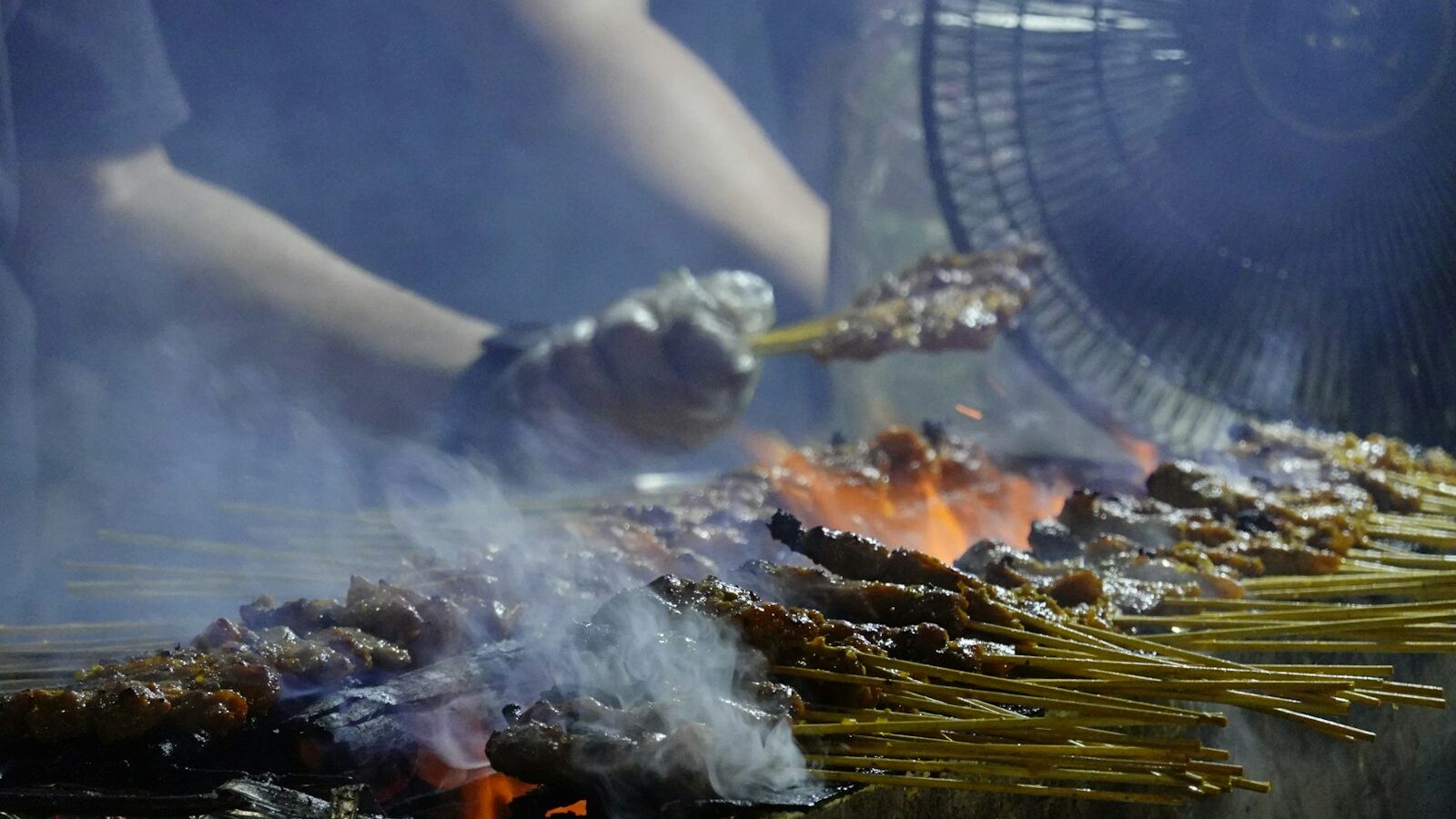
Slow-cooked brisket, smoky ribs, and pulled pork that falls apart at the touch of a fork: these are the rewards that pull people into the world of low and slow cooking. The smoking and barbecue hobby in Singapore has grown a warm, welcoming community of backyard cooks, condo balcony grillers, and weekend pitmasters who love the patient art of turning humble cuts into something memorable. It is a hobby about time, smoke, and a bit of quiet attention, and it suits anyone who enjoys the ritual as much as the meal. Here is what a beginner needs to know before firing up.
Grilling Versus Smoking
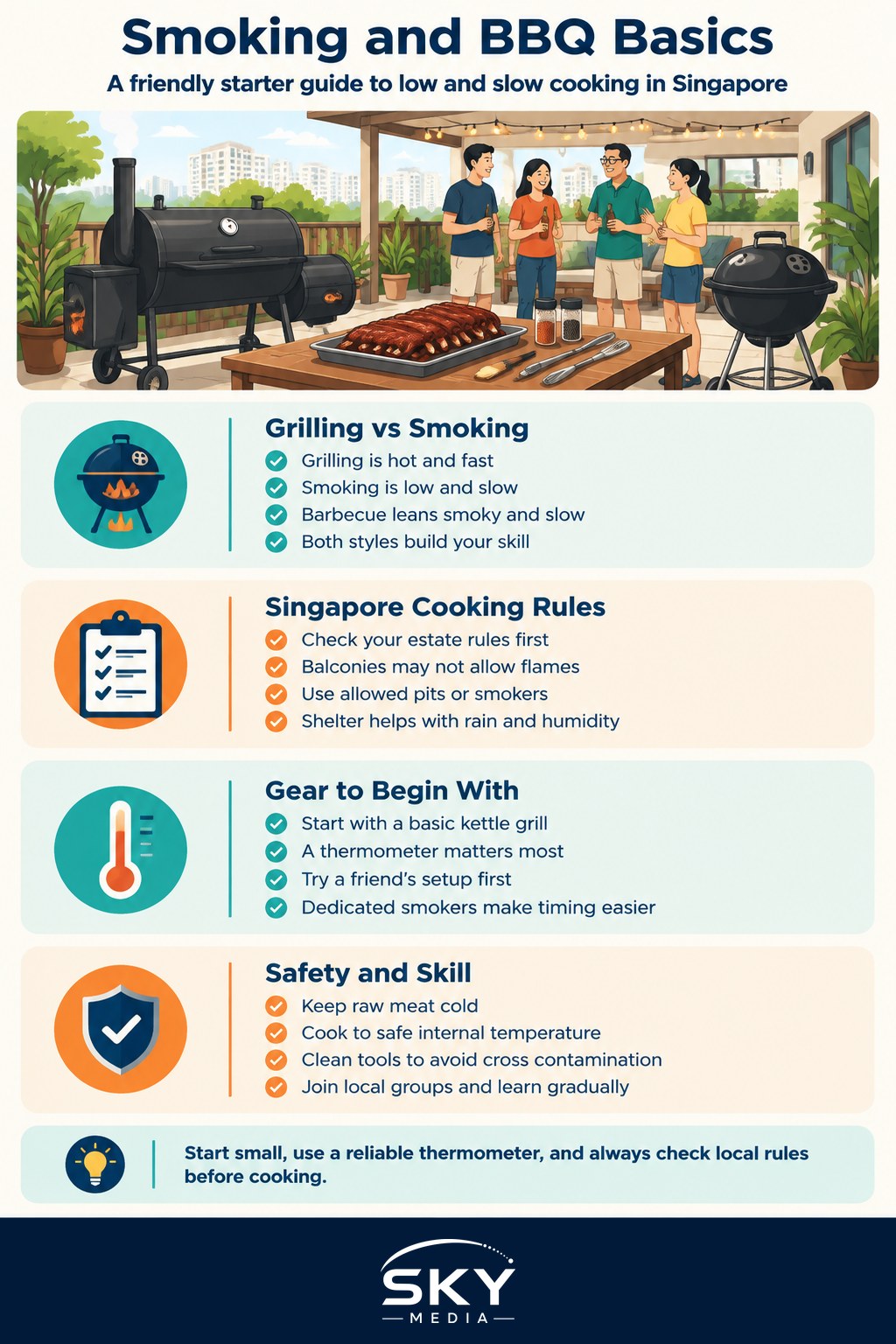
It helps to know the difference early. Grilling is hot and fast, cooking food directly over high heat for a short time, think satay, burgers, or chicken wings. Smoking is low and slow, cooking food gently with indirect heat and wood smoke over several hours, which is how you get tender brisket and ribs. Barbecue as a craft usually leans toward that slower, smokier end. Many hobbyists do both, starting with simple grilling and gradually working up to longer smokes as their confidence grows.
The flavour comes from smoke, and the tenderness comes from long, gentle cooking that breaks down tough tissue. Learning to manage your fire and hold a steady low temperature over hours is the real skill, and it is genuinely enjoyable to develop.
Singapore living shapes how you do this. Many of us are in HDB flats or condos where open flames and charcoal on balconies may not be allowed, and smoke can affect neighbours, so always check your building and estate rules first. Some people use permitted electric smokers, others book barbecue pits at parks and community spaces, and some cook at friends’ landed homes. Our humidity and sudden rain also mean a sheltered spot and a bit of weather planning go a long way.
Gear and Starting Small
You can begin without a big outlay. A basic charcoal kettle grill, used where it is allowed, can both grill and do gentle smoking with a bit of technique, which makes it a great first step. As the hobby grips you, dedicated smokers offer easier temperature control.
| Tier | Typical setup | Best for |
|---|---|---|
| Budget | Charcoal kettle grill, a chimney starter, basic thermometer | Trying grilling and light smoking |
| Mid | Dedicated smoker (electric, pellet, or offset), good thermometer | Regular low and slow cooks |
| Premium | Larger offset or high-end pellet smoker, extra accessories | Frequent, ambitious barbecue |
Prices vary and shift with retail, so treat these as general tiers rather than fixed figures. The single most useful early purchase is a reliable food thermometer, because barbecue is judged by internal temperature, not the clock. Before committing to expensive gear, try a park barbecue pit or a friend’s setup to see if the slow rhythm suits you.
Food Safety and Fire Safety
Smoking meat means holding food at warm temperatures for long stretches, so safe handling is essential and not optional.
- Keep raw meat cold until it goes on, and do not let it sit out in our heat. Refrigerate leftovers promptly.
- Use a food thermometer to confirm meat reaches a safe internal cooked temperature. Colour and a smoke ring are not proof that meat is safe, so cook to temperature using guidance from a tested recipe or a trusted source for the specific cut.
- Avoid the danger zone. Getting food through the warm middle range at a sensible pace matters, so follow reliable guidance rather than improvising with very long, very low cooks you are unsure about.
- Keep everything clean and avoid cross contamination between raw meat and cooked food or serving plates.
- When in doubt, throw it out. If something smells or looks off, do not risk it.
Fire safety deserves the same respect. Only cook where it is permitted, keep grills and smokers away from walls and anything flammable, never leave a live fire unattended, keep children and pets clear, and let ash cool fully before disposal. Charcoal produces carbon monoxide, so never use it indoors or in an enclosed space. Note common allergens in rubs and sauces, such as gluten or nuts, for anyone you are feeding. This is general food and safety information, not medical advice.
Building Skill and Finding Your People
Start with a forgiving cut and a single tested recipe, keep notes on your fire and timings, and repeat until it feels natural before attempting a long brisket. The smoking and barbecue hobby in Singapore has friendly online groups where people share cooks, gear tips, and honest troubleshooting, and some venues and community spaces occasionally run barbecue workshops; check the organiser directly for current details.
This craft sits happily beside other food hobbies. Many pitmasters also enjoy home sausage making for the grill, dive deeper into cooking as a hobby, or add homemade heat with sambal and rempah. If you are still weighing hobbies, our guide on how to find a new hobby is a good starting point.
Be patient, respect the safety basics, and enjoy the slow burn. Few things bring people together like a tray of smoky, tender barbecue you cooked yourself.
Frequently Asked Questions
Can I smoke meat on my HDB or condo balcony? Often not. Open flames and charcoal on balconies may be banned by your building or estate rules, and smoke can disturb neighbours. Check your town council or condo management first. Electric smokers, park barbecue pits, or a friend’s landed home are common alternatives.
What is the difference between grilling and smoking? Grilling cooks food hot and fast over direct heat, as with satay, burgers or wings. Smoking cooks low and slow with indirect heat and wood smoke over several hours, which tenderises tough cuts like brisket and ribs. Many hobbyists start with grilling.
Which meat cut should a beginner smoke first? Choose a forgiving cut and one tested recipe rather than a long brisket straight away. Ribs or pulled pork-style cuts are common starting points. Keep notes on your fire and timings, and repeat the same cook until it feels natural.
Why is a food thermometer so important for barbecue? Barbecue is judged by internal temperature, not the clock. Colour and a smoke ring do not prove meat is safe. A reliable thermometer lets you cook to the right temperature for the cut, and it is the single most useful early purchase.
Is it safe to use a charcoal grill indoors or under a covered balcony? No. Charcoal produces carbon monoxide, so never use it indoors or in an enclosed space. Keep grills away from walls and anything flammable, never leave a live fire unattended, and let ash cool fully before disposal.