
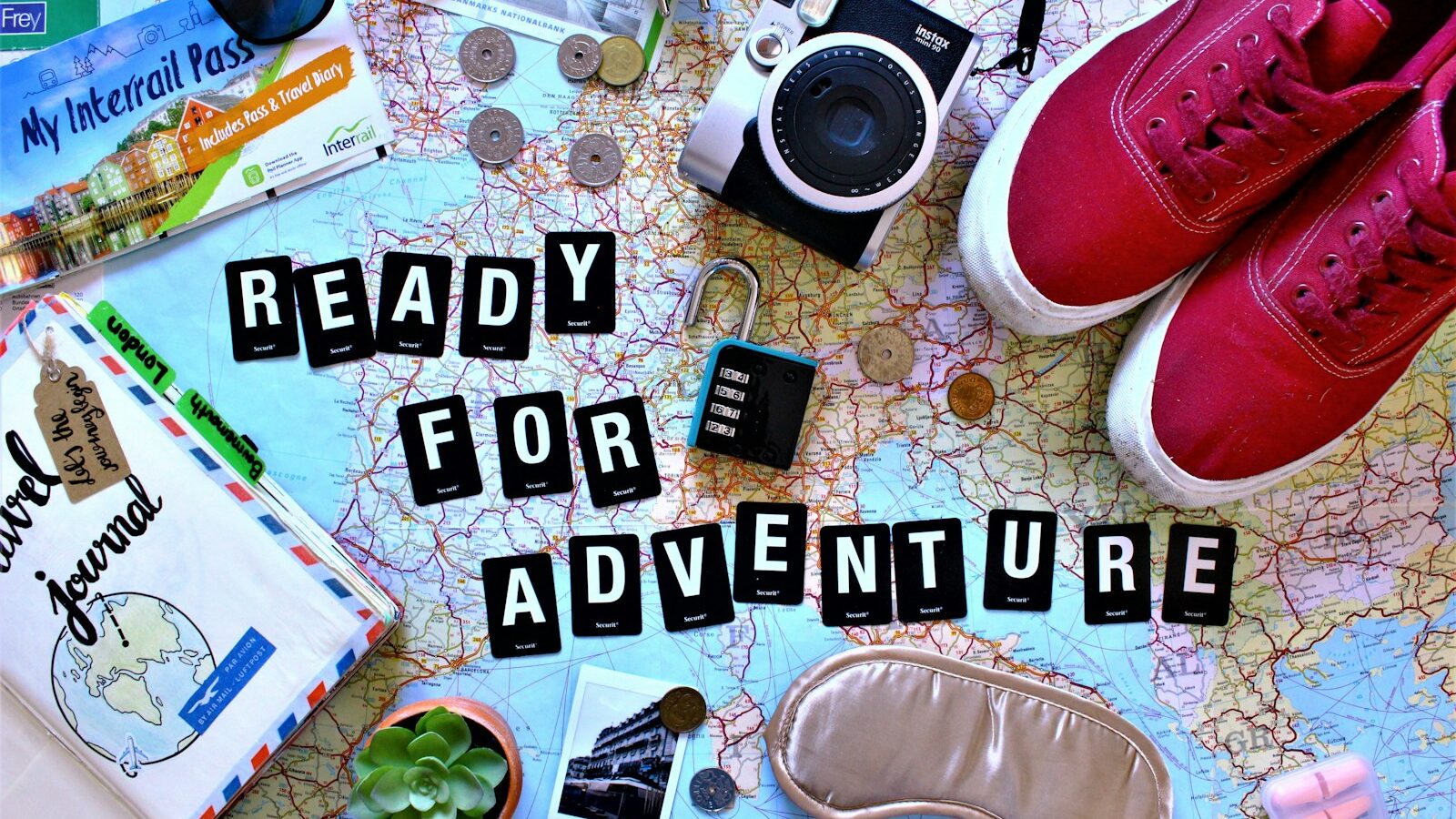
Wanting a hobby and actually landing on one are two different things. Maybe your evenings feel like a loop of work, dinner and the same three apps, and you sense there should be more. The good news is that finding a hobby in Singapore is easier than it looks, and you do not need a big budget, a spare room or any natural talent to begin. You just need a little curiosity and a willingness to be a beginner for a while.
This guide walks you through how to choose something that actually sticks, where to buy supplies, and how to try things cheaply before you commit. The aim is simple: help you picture starting something new this weekend.
Start With What Already Pulls You In
The best hobby is usually hiding in plain sight. Instead of asking “what should I do”, notice what you already gravitate towards. Do you save recipes you never cook? Screenshot craft videos? Linger in the stationery aisle at Popular or the tool wall at a hardware shop? Those little pulls are clues.
Try answering a few honest questions:
- Do you want to make something you can hold, or learn a skill you can perform?
- Do you want quiet solo time, or a reason to meet people?
- Do you have a desk corner to work at, or do you need something you can pack away in a box?
- As a child, what did you lose track of time doing?
You are not signing a contract. You are just pointing yourself in a rough direction, whether that is making things with your hands, collecting, moving your body, or learning a craft.
Match the Hobby to Your Real Life
Singapore living shapes what works. Many of us are in HDB flats or shared rentals with limited space, humid air and neighbours close by. A hobby that fits your actual home is a hobby you will keep. A pottery wheel needs space and a studio; knitting fits in a tote bag on the MRT.
Be realistic about three things: space, budget and time. A hobby you can do in twenty minutes at the kitchen table survives a busy week far better than one that needs a two-hour setup. The table below groups popular starter hobbies by what they ask of you, so you can find one that suits your flat, your wallet and your schedule.
| Hobby type | Space needed | Rough starting budget | Social or solo | Good if you want |
|---|---|---|---|---|
| Yarn crafts (knitting, crochet) | Very little, packs away | Low | Either | Portable, calming, makes gifts |
| Paper and drawing (sketching, journaling) | A desk corner | Low | Solo | Quiet daily practice |
| Baking and home coffee | Kitchen | Low to mid | Solo, shareable | Something you can taste |
| Collecting (cards, records, figures) | Shelf space | Low to high, your call | Either | A hunt and a community |
| DIY and upcycling | Corridor or bomb shelter | Low to mid | Solo | Practical, saves money |
| Resin, candles, pottery | Ventilated space or studio | Mid | Either | A hands-on making session |
Notice that most starter budgets are low. You can begin almost any of these for the price of a couple of lunches, then spend more only once you know you enjoy it.
Try Before You Commit
The biggest mistake beginners make is buying an expensive kit for a hobby they have never tried. It is far smarter to sample first. A single trial class or a ten dollar Daiso starter set tells you more than any amount of scrolling.
Cheap ways to test-drive a hobby:
- Take one class, not a course. Community centres run approachable workshops through the PA and ActiveSG networks, and many craft studios offer single sessions. One taster tells you if you like the doing, not just the idea.
- Borrow before you buy. The National Library Board lends books, and its makerspaces and events let you try tools and crafts for free. Borrow a how-to book before you buy the gear.
- Start with a Daiso or Value Dollar kit. For a couple of dollars you can pick up yarn, brushes, embroidery hoops or a sketchbook and see if the activity clicks.
- Follow the free version first. YouTube and library e-books cover the basics of nearly every hobby, so you can learn the first steps before spending a cent.
Give a new hobby three or four honest attempts before deciding. The first try is always clumsy; that awkward stage is normal and passes quickly.
What You Need to Start
Almost every beginner hobby needs less than you imagine. For most, the real starter kit is small:
- A basic set of the core tools or materials, bought cheap.
- A single beginner tutorial, book or class to follow.
- A small, regular slot of time, even fifteen minutes a few evenings a week.
- A box or drawer to keep everything, so setup and pack-away take seconds.
Resist the urge to buy the “complete” bundle. Beginners rarely need premium gear, and the fancy kit often sits unused. Buy the minimum, use it until it wears out, then upgrade the pieces you actually reach for.
Where to Learn and Buy in Singapore
You are well served here. For supplies, Art Friend and Spotlight cover art, craft and sewing; Daiso and Value Dollar stores are unbeatable for cheap first attempts; Bras Basah Complex is a treasure trove for art, books and stationery; and neighbourhood hardware shops stock DIY basics. For electronics-adjacent hobbies, Sim Lim and Sim Lim Square are worth knowing. Plenty of local sellers also trade on Shopee, Lazada and Carousell.
To learn and meet people, look at community centre courses, ActiveSG programmes, library workshops, and hobby-specific groups on Meetup, Telegram and Facebook. Studios and clubs across the island run beginner sessions for everything from pottery to board games. Fees vary a lot, so check the studio or class provider for current prices rather than assuming.
One local reality worth planning for: our humidity. Paper warps, tools rust, yarn and fabric can grow musty, and clay and coffee beans do not love the damp. Keep supplies in a lidded box with a few silica gel packets, store away from windows and bathrooms, and your materials will last far longer.
Keeping It Going
A hobby survives on small wins, not grand plans. Set a gentle, repeatable rhythm, keep your first projects tiny enough to finish, and let yourself be bad at it for a while. Share your early attempts with a friend or an online group; a little encouragement goes a long way. And if the first hobby does not stick, that is fine too. You have not failed, you have just narrowed things down. The point is to keep your curiosity alive until something clicks.
Explore more
Once you have a direction, dive into a specific craft. If you want something portable and calming, try our beginner’s guide to knitting and crochet. If you would rather make something practical for your home, see our guide to DIY home projects or the greener, budget-friendly world of upcycling and thrift flipping.