
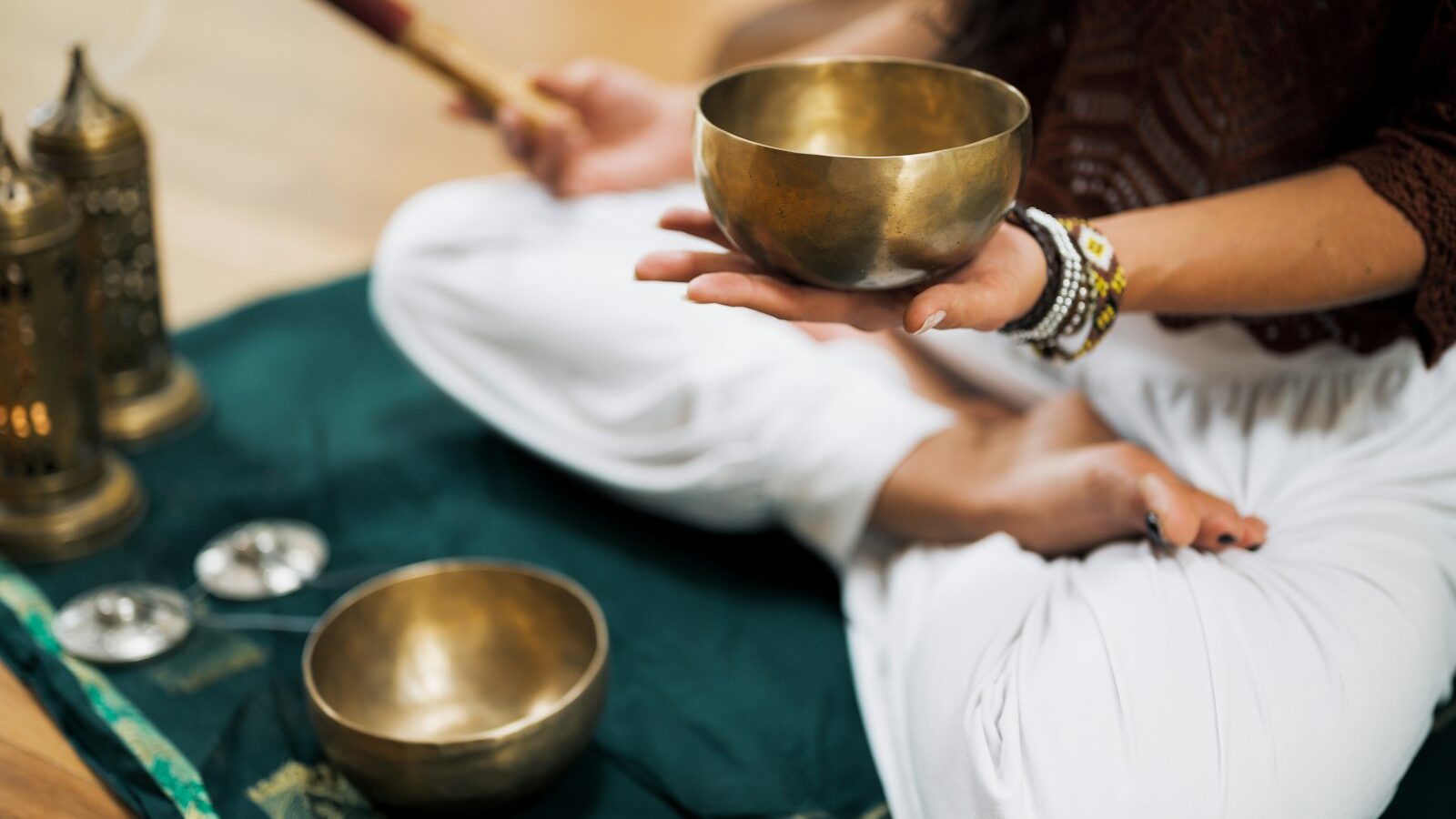
Sound baths have moved from niche wellness circles into yoga studios, spas and even office wellbeing sessions across Singapore. The name sounds mysterious, but the idea is simple: you lie down, get comfortable, and let waves of sound from instruments like gongs and singing bowls wash over you while you relax. This guide gives you the honest version, what a sound bath actually is, what it can and cannot do, what a session feels like, and who should check with a doctor before trying one.
Let us be clear from the start. A sound bath is a relaxation and wellbeing experience, not a medical treatment or a cure. It can help you unwind and feel calmer, but it does not treat, cure or prevent any illness, and there is no strong evidence that it heals disease. This article is general information, not medical advice. If you have a health condition, are pregnant, or have any concerns, check with your doctor first, and treat sound healing as one relaxing habit among many, not a replacement for proper care.
What a Sound Bath Actually Is
Despite the name, there is no water involved. A sound bath is a session where a facilitator plays resonant instruments while you lie back with your eyes closed. The “bath” refers to being surrounded, or bathed, in sound. Common instruments include:
- Singing bowls, made of metal or crystal, played by striking or circling the rim so they hum.
- Gongs, which build into deep, enveloping waves of sound.
- Chimes, tuning forks, drums and the human voice, used to add texture and rhythm.
The term “sound healing” is often used for the same thing, but the word healing can promise more than the practice delivers. It is more accurate to think of it as deep, guided relaxation set to sound. The tones are steady and repetitive, which gives your busy mind something soft to settle on, a little like a guided meditation.
The Honest Benefits
The realistic benefits of sound baths are the same ones you get from any calming, restful practice, and they are genuinely worth having:
- Deep relaxation. Lying still and letting sound carry your attention can ease tension and slow a racing mind.
- A break from screens and noise. An hour with your phone away and your eyes closed is restorative on its own.
- Support for stress and mood. Many people leave feeling calmer, lighter or more rested. That is a real and valuable effect.
- An easier route into meditation. If sitting in silence feels hard, having sound to follow can make it click.
Now the honest limits. These benefits come mostly from rest, stillness and focused attention, not from any special healing property of the frequencies themselves. Claims that specific tones can cure illness, “detox” the body, realign your cells or replace medical treatment are not supported by good evidence. Enjoy a sound bath for the calm it brings, and be sceptical of anyone promising it will fix a medical problem.
What to Expect in a Session
If you have never been, the format is reassuringly simple and requires nothing from you but to lie there.
- Arrive and settle. You lie on a mat, usually with a bolster, blanket and eye cover. Comfort is the whole point, so bring layers, as air-conditioned studios can run cold.
- The sound builds. The facilitator plays the instruments, often starting soft and gently rising and falling. Sessions typically run from about thirty minutes to an hour.
- You just rest. There is nothing to do. Let your attention drift with the sound. Some people feel deeply relaxed, some doze off, and some feel restless at first, all of which are normal.
- A slow return. The sound fades and you are eased back gently, often with a few quiet moments before you get up.
Reactions vary a lot. You might feel calm, sleepy, emotional or simply pleasantly bored. None of that is a sign of anything mystical happening; it is just your nervous system getting a rare hour of quiet.
Sound Baths Versus Other Ways to Unwind
A sound bath is one of many ways to rest and reset. It helps to see where it fits so you can pick what suits you, and your budget.
| Approach | What it involves | Best for | Keep in mind |
|---|---|---|---|
| Sound bath | Lying down while instruments play | Guided, effortless deep relaxation | A paid, scheduled session, not a cure |
| Guided meditation | Following a voice or app | Building a daily calm habit cheaply | Takes practice to settle the mind |
| Gentle yoga | Slow movement and breathing | Easing physical and mental tension | Match the class to your fitness |
| Quiet rest at home | Screens off, lying down, soft music | A free, everyday reset | Easy to skip without a set time |
None of these is better than the others, and a sound bath is not a magic upgrade. If the cost or scheduling is a barrier, a quiet lie-down with calming audio at home gives you much of the same benefit for free.
Trying It Safely in Singapore
Singapore has a growing scene of studios, wellness spaces and TCM-adjacent practitioners offering sound sessions, so you have options. A few sensible pointers:
- Choose a comfortable setting. A calm, clean space and an unhurried facilitator matter more than fancy instruments.
- Bring warm layers. Studios are often strongly air-conditioned, and you will be lying still for a while.
- Manage expectations. Go in hoping to relax, not to be cured. That mindset makes for a much better experience.
- Tell the facilitator about health issues beforehand, so they can advise or adjust.
Sound baths are gentle and suit most people, but a few should take extra care. The volume, especially from gongs, can be intense. Check with your own doctor before going if any of the following apply to you:
- You are pregnant.
- You have epilepsy or a seizure disorder, as some people are sensitive to certain sounds.
- You have significant hearing conditions, tinnitus, or sensitivity to loud sound.
- You have a heart condition, a mental health condition, or any illness you are worried about.
If you feel unwell, anxious or overstimulated during a session, it is completely fine to open your eyes, sit up or quietly leave. Nothing about a sound bath requires you to push through discomfort.
Used for what it honestly is, a sound bath is a lovely, low-effort way to switch off for an hour and give a busy mind some rest. Treat it as relaxation rather than medicine, keep your expectations grounded, check with a doctor if you have any health concerns, and enjoy it simply as a calming pause in a fast-moving city.