
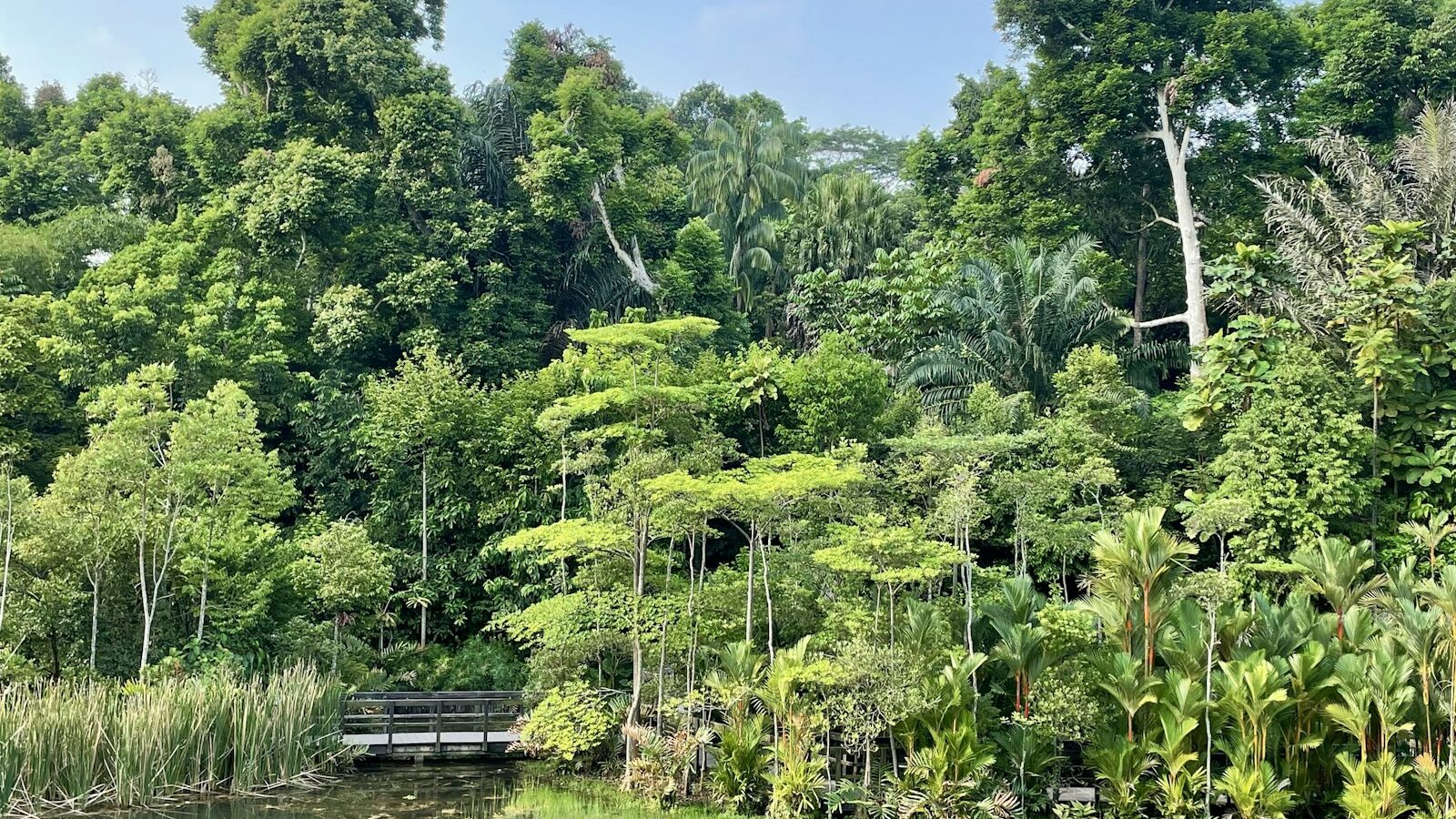
Forest bathing sounds like it should involve water, but it does not. The term comes from the Japanese “shinrin-yoku”, which simply means bathing in the atmosphere of the forest. In practice it is a slow, mindful, unhurried time among trees and greenery, using your senses rather than clocking distance or steps. It sits under the broader idea of nature therapy: the notion that spending calm, attentive time outdoors is good for how we feel. This guide explains what forest bathing really is, the honest benefits, how to do it, and where to try it in Singapore, one of the greenest cities in the world.
An honest note first. Forest bathing is a general wellbeing and relaxation practice, not a medical treatment or a cure for any condition. This article is general information, not medical advice. It can help many people feel calmer and less stressed, but it is not a replacement for proper care. If you have a health condition, are pregnant, or have concerns about your physical or mental health, speak to a doctor, and treat time in nature as a helpful supplement to, not a substitute for, medical support.
What Forest Bathing Actually Is
Forest bathing is less about exercise and more about presence. A brisk hike gets your heart rate up and covers ground. Forest bathing does the opposite: you slow right down, often covering only a short distance over an hour or more, and pay gentle attention to what is around you.
The idea is to engage the senses one at a time. You might notice the different greens of the canopy, the texture of bark, the calls of birds and insects, the smell of damp earth after rain, or the way light shifts through the leaves. There is no goal to reach and no performance to measure. That deliberate slowness is what separates it from an ordinary walk, and it is also what makes it feel restful.
You do not need a deep, remote forest either. A quiet stretch of any green space with trees can work. The practice is about attention, not location, so a calm corner of a neighbourhood park counts just as much as a nature reserve.
The Honest Benefits and the Limits
Here is the realistic picture. Many people find that slowing down in a green setting genuinely lowers their sense of stress and lifts their mood. Taking time away from screens, traffic and notifications, breathing more slowly, and moving gently all help the body settle. For a lot of people that adds up to feeling calmer, more focused and better rested.
Those benefits are real, but they are best described modestly. Forest bathing is a relaxation and wellbeing practice. It is not proven to cure illness, and you should be wary of anyone who promises dramatic health outcomes. Think of it the way you might think of a good night’s sleep or a proper break: supportive of wellbeing, not a medical fix.
A few honest caveats:
– The calming effect varies from person to person and from day to day.
– It works best as a regular habit rather than a one-off.
– If low mood, anxiety or stress are persistent or affecting your daily life, please see a doctor or a mental health professional. Nature time can sit alongside proper help, not replace it.
How to Try Forest Bathing
You do not need special gear or training. The method is simple, and the point is to slow down.
- Choose a calm, green spot. A quiet trail, a park with mature trees, or a peaceful corner of a reserve all work. Somewhere without heavy crowds or traffic noise is ideal.
- Leave the agenda behind. Put your phone on silent or away. There is no distance to hit and no photo you must take.
- Walk slowly, then pause often. Move at a gentle, aimless pace. Stop when something catches your attention.
- Use your senses one by one. Notice what you see, then really listen, then breathe in the smells, then feel textures like leaves or bark. Let each sense have a turn.
- Breathe and settle. Take a few slow breaths at a quiet spot. Sit on a bench if you like and simply be there.
- Keep it unhurried. Even twenty to thirty minutes helps. Longer is fine, but quality of attention matters more than time.
If your mind wanders to your to-do list, that is normal. Gently bring your attention back to a sound or a sight around you.
Where to Go in Singapore
Singapore is unusually well suited to this, with parks, park connectors, nature reserves and green spaces managed by NParks all over the island. You are rarely far from somewhere green. Options range from gentle and accessible to wilder and quieter.
| Type of space | What it offers | Good for | Keep in mind |
|---|---|---|---|
| Neighbourhood parks and park connectors | Easy, flat, close to home | Beginners, short sessions, all ages | Can be busy at peak hours, so go early |
| Botanic and heritage gardens | Mature trees, quiet lawns, shade | Slow strolling and sitting | Popular spots draw crowds on weekends |
| Nature reserves and forest trails | Denser greenery, wildlife, calm | A deeper, more immersive feel | Stay on marked paths, respect wildlife rules |
| Coastal and wetland parks | Sea breeze, open skies, birdlife | A change of scene and airflow | More sun exposure, so plan for heat |
Whichever you choose, follow NParks guidance, keep to marked trails, take your litter home, and do not disturb plants or animals. Check opening hours and any advisories before heading out.
Staying Comfortable in Singapore’s Climate
Our tropical weather is the main thing that shapes a good session here. A little planning makes all the difference.
- Beat the heat. Go in the early morning or late afternoon when it is cooler. The midday sun and humidity can turn a relaxing walk into a sweaty ordeal.
- Sun protection matters. Wear a hat, light long sleeves if you like, and apply sunscreen, reapplying if you are out for a while. Shade under a canopy helps, but gaps still let strong sun through.
- Mind the mozzies. Green, damp areas mean mosquitoes. Use repellent, and consider covering up in wetter reserves, especially around dusk.
- Stay hydrated. Carry water. The humidity means you lose fluid faster than you might expect, even at a slow pace.
- Dress for it. Light, breathable clothing and proper footwear keep you comfortable on uneven or muddy paths.
- Watch the haze. During haze periods, check air quality readings and consider staying indoors if levels are unhealthy.
Approached sensibly, forest bathing is one of the simplest, lowest-cost wellbeing habits available, and Singapore’s greenery makes it easy to build in. Slow down, use your senses, protect yourself from the sun and mosquitoes, and enjoy it for what it honestly is: a calming reset, not a cure. For anything medical, see a doctor.