
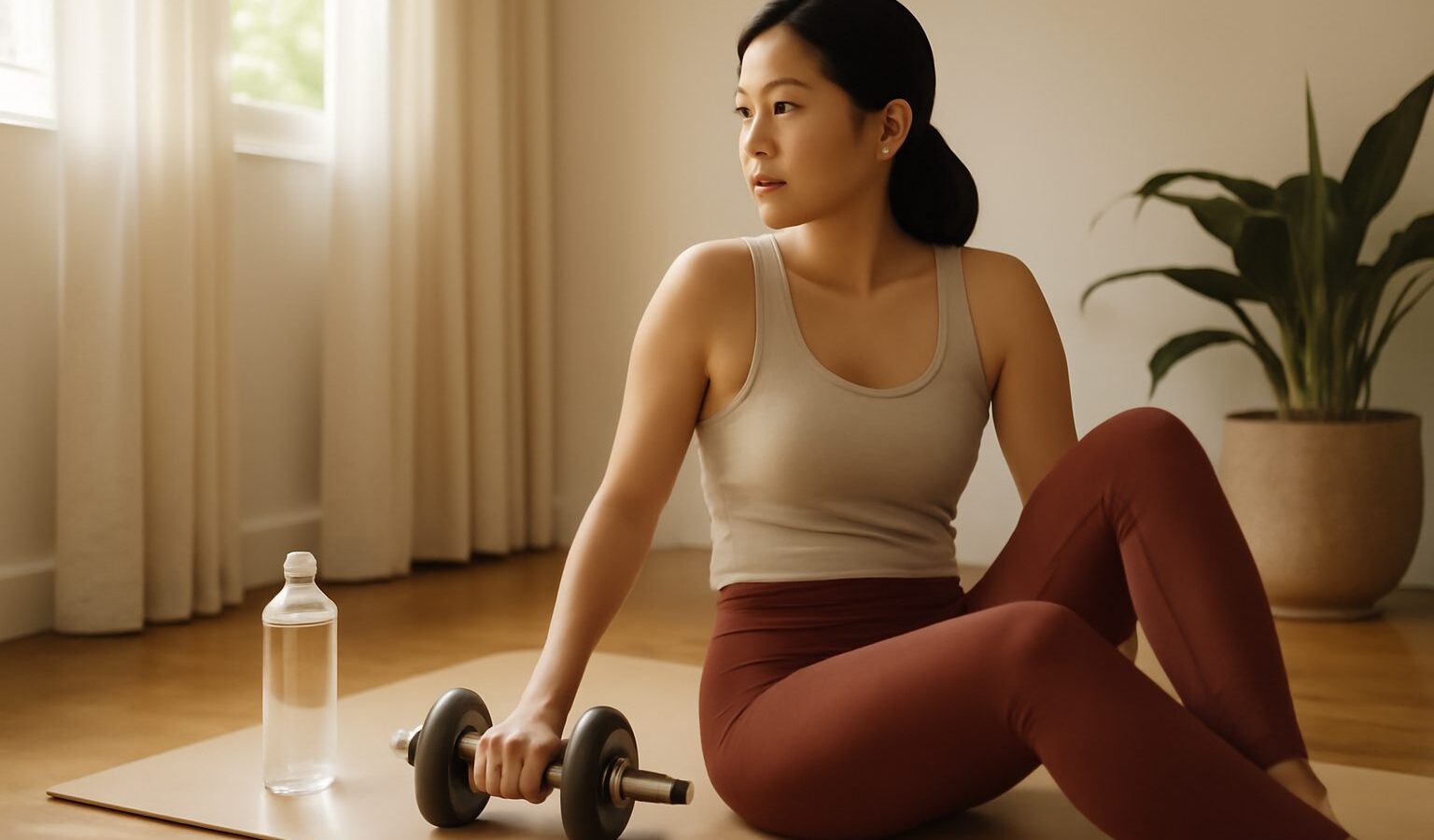
If the free-weights corner of the gym has ever felt like it was not quite for you, this guide is here to change that. Strength training for women singapore fitness spaces increasingly welcome, and for very good reason. Lifting is one of the most rewarding things you can do for your body, from stronger bones to better everyday energy. This guide explains the benefits, clears up the myths, and shows how to start with confidence.
This is general fitness information, not personalised or medical advice. Warm up, use good form, start light and progress gradually, and stop if you feel actual pain rather than normal muscle effort. If you have a health condition or injury, are pregnant or recently postnatal, or are older, please check with a doctor before starting, and see a physiotherapist or qualified coach for form and guidance.
Why strength training is so good for women
The benefits go well beyond how you look, and many are especially relevant across a woman’s life.
- Stronger bones. Resistance training places healthy stress on bones, which supports bone density. This matters a great deal because women are at higher risk of thinning bones with age, and it links directly to bone health and osteoporosis.
- More muscle and everyday strength. Carrying groceries up to the flat, lifting a child, or managing luggage all get easier. Muscle also supports a healthy metabolism.
- Better balance and fewer aches. A stronger body tends to move better and hold good posture, which can ease common niggles.
- Confidence and mood. Getting visibly stronger is genuinely empowering, and exercise supports mental wellbeing too.
- Healthy ageing. Maintaining muscle and strength helps you stay independent and active later in life.
These benefits show up whether you are in your twenties or your sixties. It is never too early or too late to start.
Clearing up the “bulky” myth
The single most common worry is that lifting weights will make you bulky. In practice, building large, bodybuilder-style muscles is very hard, and it does not happen by accident. It takes years of dedicated, high-volume training and eating specifically for size. On top of that, most women naturally have lower levels of the main muscle-building hormone than men, which makes rapid, dramatic size gains unlikely for the vast majority.
What strength training actually tends to do is make you look and feel toned, strong, and capable, while improving how your clothes fit and how much energy you have. So please do not let the bulky fear keep you away from the weights. The far more common outcome is a body that is stronger and more resilient. If you are curious about how muscle building really works, building muscle in Singapore lays out the honest picture.
How to start with confidence
You do not need to be strong before you start, and you do not need fancy equipment. A simple, consistent plan beats an ambitious one you abandon.
- Learn the basic movement patterns. Squats, hinges such as a hip hinge or deadlift pattern, pushes, pulls, and carries cover the whole body. Strength training for beginners walks through these.
- Start light and focus on form. Master the movement with bodyweight or light weights before adding load. Good technique protects you and builds the habit.
- Progress gradually. Once a weight feels manageable for your target reps, nudge it up slowly. The principle behind steady gains is progressive overload, applied patiently.
- Keep it simple and regular. Two or three short sessions a week is plenty to begin with. Consistency beats intensity early on.
- Rest and recover. Muscles grow between sessions, not during them, so give yourself rest days.
You can do all of this at home with a couple of dumbbells or resistance bands, or at an ActiveSG gym. If space is tight, a home setup works well, and starting simply removes most of the excuses.
A note on different life stages
Strength training can be adapted through pregnancy, the postnatal period, and menopause, but these stages have specific considerations. During and after pregnancy in particular, please get clearance and guidance from a doctor and, ideally, a qualified coach or physiotherapist, rather than following generic plans. The same goes if you are managing any health condition. Sensible, guided training is safe and beneficial for most women, but it should fit your circumstances.
The practical wrap-up
Strength training is one of the best investments a woman can make in her health, supporting stronger bones, everyday strength, balance, confidence, and healthy ageing. The bulky myth simply does not hold up for the vast majority, so let it go. Start light, learn the basic movements with good form, progress slowly, and keep it consistent with just a couple of sessions a week. Check with a doctor first if you have a health condition, are pregnant or postnatal, or are older, and enjoy discovering just how strong you can become.