
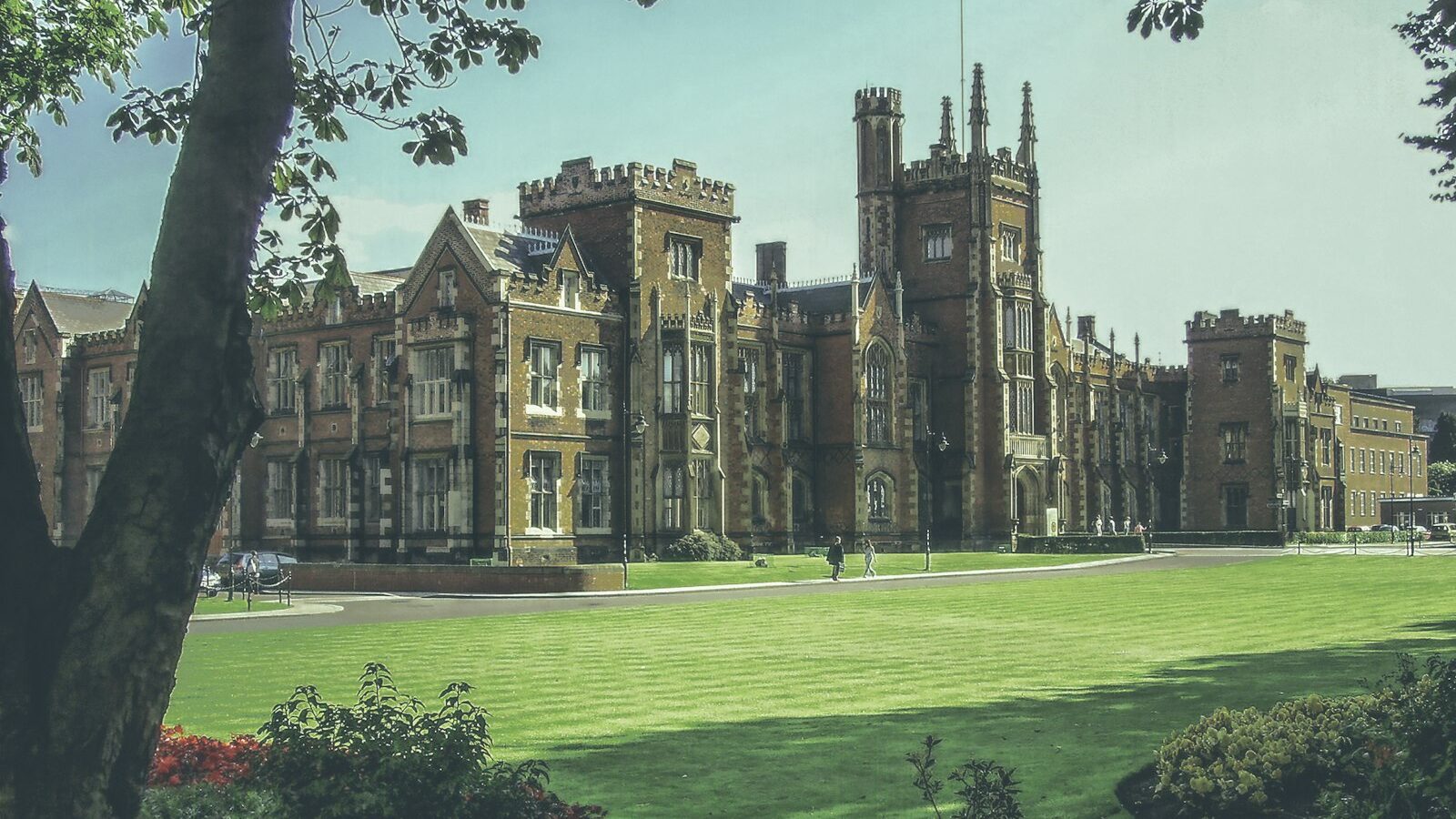
Choosing to study in Singapore puts you at the heart of Asia, in a safe, orderly city where lectures are delivered in English and a degree carries real weight across the region and beyond. Every year, thousands of international students arrive to fill lecture halls, research labs and campus dorms. This guide walks you through why so many come, the kinds of universities and pathways on offer, and the practical steps of getting your Student’s Pass sorted. Treat it as a friendly orientation, then confirm the fine print with the institution and the Immigration and Checkpoints Authority (ICA).
Why students choose Singapore
The appeal is easy to understand. Singapore’s leading universities sit consistently near the top of global rankings, and the city is compact, clean and famously safe to move around at any hour. English is the main working language, so international students rarely hit a language wall in class or in daily life. The location is a bonus in itself: you are a short flight from most of Southeast Asia, which makes term breaks and internships across the region very doable.
Just as importantly, Singapore is genuinely multicultural. You will study alongside classmates from all over the world, eat your way through hawker centres representing several cuisines, and find that being new here is completely normal. For many families, the mix of academic quality, safety and connectivity is what tips the decision.
Universities and pathways in Singapore
There is no single type of institution here. Broadly, the higher-education landscape breaks into a few groups, and the right fit depends on your goals, budget and academic background.
The autonomous universities
These are the publicly funded universities, and they include the names most people recognise. The cluster often shortened to NUS NTU SMU refers to the National University of Singapore, Nanyang Technological University and Singapore Management University, and the wider group also includes the Singapore University of Technology and Design (SUTD), the Singapore Institute of Technology (SIT) and the Singapore University of Social Sciences (SUSS). Between them they cover the full sweep of disciplines, from medicine, engineering and the sciences to business, law, design and the social sciences. Entry is competitive and each has its own admissions criteria for international applicants.
Private institutions
Alongside the autonomous universities sit many private education providers. Some run their own programmes, while others partner with overseas universities to deliver a foreign degree locally. Quality and recognition vary, so it pays to research each provider carefully, check any accreditation or trust marks, and make sure the qualification will be recognised where you plan to work.
Polytechnics and other routes
Polytechnics offer practical, industry-focused diplomas that can lead straight into work or serve as a stepping stone toward a university degree. There are also junior colleges and other pre-university pathways for younger students. If you are still weighing up school-level options for a family member, our companion guide on schools is a useful next read.
The Student’s Pass and the ICA process
Almost every international student who studies here full time needs a Student’s Pass issued by ICA. In plain terms, the pass is the immigration approval that lets you stay in Singapore for the duration of your course. You do not apply entirely on your own: the process runs largely through your institution and an online system.
The key concept to know is SOLAR, short for the Student’s Pass Online Application and Registration system. Here is roughly how it works:
- You accept an offer from an approved institution.
- The institution registers your application in SOLAR, and you complete your part online through the same system.
- ICA reviews the application and, if approved, issues an approval letter (often called an In-Principle Approval).
- You travel to Singapore, then complete formalities to have the physical pass issued, which usually includes providing biometrics.
Timelines, documents and fees change from time to time. Start early, follow the exact checklist your institution gives you, and always confirm current requirements directly with ICA before you book flights.
Because the university handles much of the SOLAR side, your job is mainly to respond promptly, upload accurate documents and keep copies of everything.
Tuition and living costs: a rough guide
Costs vary widely by institution, programme and your own lifestyle, so treat the following only as a rough guide rather than a quote. Tuition at the autonomous universities is often lower for those who take up a government tuition grant with an associated service commitment, and higher for full-fee international students; private institutions set their own fees. Postgraduate, medical and specialised courses tend to sit at the upper end.
On top of tuition, budget for living expenses: accommodation, food, transport, phone and internet, books and the occasional flight home. Singapore is not a cheap city, but student habits, cooking at home, eating at hawker centres and using public transport, keep costs manageable. For a fuller picture of everyday spending, see our dedicated cost-of-living guide.
Quick budgeting checklist
- Tuition, and whether a tuition grant applies to you
- Accommodation, one of your biggest monthly costs
- Food, cheapest at hawker centres and food courts
- Transport, mostly buses and the MRT
- Health insurance and medical costs
- Phone, internet and study materials
- A buffer for emergencies and travel
Accommodation options
Where you live shapes both your budget and your daily routine. The main choices are:
- On-campus halls and residences. Convenient and social, though places can be limited and allocation is competitive, especially for first-year international students.
- Purpose-built or private student hostels. Run by third parties, these sit near many campuses and bundle in furnishings and utilities.
- Renting privately. A room in a shared flat or a whole unit gives you the most freedom but usually costs more and involves a tenancy agreement.
Many students start in a hall to settle in, then move off campus once they know the neighbourhoods. If you are weighing up areas, our guide on where to live is a good place to compare.
English-medium instruction
One worry newcomers often raise is language, and here Singapore makes life easy. Teaching, assessments and campus administration are conducted in English across the universities in Singapore, so your classes, readings and exams will be in English. Institutions typically ask international students to show a minimum level of English proficiency as part of admission, so check the specific requirement for your course. Day to day, you will also hear Mandarin, Malay and Tamil around the city, but you can study and get things done comfortably in English.
Working while studying
Rules on part-time and holiday work for Student’s Pass holders exist, but they come with conditions and limits, and they can differ by institution and level of study. In general terms, eligible full-time students at certain institutions may take on limited work under set rules, but do not assume you can work freely. Before you accept any job or internship, confirm exactly what your pass allows with both your institution and the official sources, as getting this wrong can affect your student status.
Before you commit: confirm the details
This guide gives you the shape of things, but every applicant’s situation is a little different, and official rules are updated periodically. Your two anchor points are simple: your chosen institution for admissions and course details, and ICA for anything to do with the Student’s Pass, SOLAR and immigration. Rely on those, keep good records, and start the paperwork early. Do that, and the move from application to arrival tends to go smoothly.
Explore more: Schools in Singapore: a guide · Cost of living in Singapore · Where to live in Singapore