
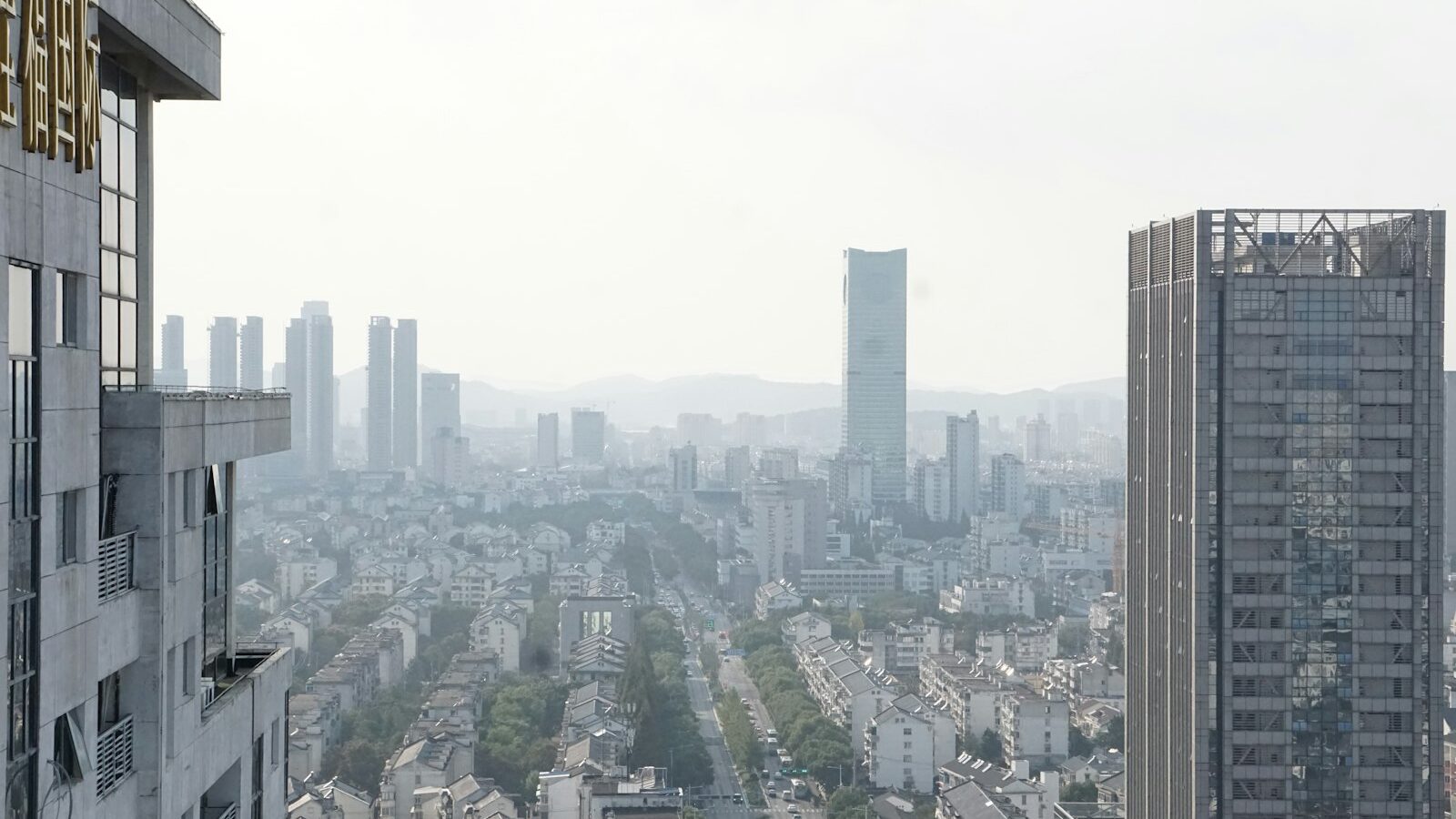
Suzhou is China at its most refined: a city of classical gardens, willow-lined canals, whitewashed water towns and centuries of silk and scholarship, all just a short train ride west of Shanghai in Jiangsu province. Often called the Venice of the East, it trades the skyscraper rush for stone bridges, teahouses and UNESCO-listed gardens designed as living paintings. For Singaporeans who want culture, calm and beauty, planning a trip to Suzhou from Singapore is a graceful counterpoint to the region’s busier cities. This guide covers getting there, when to go, what to see, what to eat and the practical basics.
Getting to Suzhou From Singapore
Suzhou does not have a major international airport of its own, so the usual approach from Changi is to fly into Shanghai, then take the fast train. Direct flights between Singapore and Shanghai are plentiful, with a flying time usually in the region of five to six hours. From either Shanghai airport you reach Suzhou by high-speed rail in roughly half an hour to an hour once you are on the train, making it an easy add-on to a Shanghai trip or a destination in its own right. Schedules and fares vary, so compare current options before booking.
Suzhou sits on China’s dense high-speed rail network in the Yangtze River Delta, so it also links easily to nearby cities. For the historic former capital next door, see our Nanjing from Singapore guide, while the modern south is covered in Shenzhen from Singapore.
On entry rules, do not rely on old advice. Requirements for Singapore passport holders have changed in recent years, and a Singapore passport and a China passport can face very different rules for the same trip. Confirm your own situation with the Chinese embassy or consulate, and cross-check ICA for Singapore re-entry, before you book.
When to Go and How Long to Stay
Suzhou has a humid subtropical climate with four distinct seasons, quite unlike Singapore’s steady warmth, so timing shapes the experience. The gardens look different through the year, and comfort varies widely.
| Season | Months | What to expect |
|---|---|---|
| Spring | Mar to May | Mild and blossoming; lovely for gardens but with plum rain later |
| Summer | Jun to Aug | Hot, humid and busy, with lush greenery |
| Autumn | Sep to Nov | Cool, clear and comfortable; widely the best all-round season |
| Winter | Dec to Feb | Cold and sometimes damp, quiet, occasionally dusted with snow |
Spring and autumn are the standouts for garden-hopping and canal walks. Two to three days is plenty for the highlights, and it also works beautifully as a day or overnight trip from Shanghai.
Top Things to See and Do
Suzhou’s classical gardens are the reason to come, and several are UNESCO World Heritage sites. They reward slow, unhurried visits:
- The Humble Administrator’s Garden, the largest and most famous, is a masterpiece of ponds, pavilions and framed views.
- The Lingering Garden and the intimate Master of the Nets Garden show the same artistry at different scales; the latter is especially atmospheric.
- The Lion Grove Garden is known for its labyrinth of fantastical rockeries.
Beyond the gardens, the old city and its edges are a delight:
- Stroll Pingjiang Road, a beautifully preserved canal street of teahouses, craft shops and Kunqu opera and Pingtan storytelling.
- Wander Shantang Street, a lively historic canal quarter, best in the early evening lights.
- Climb Tiger Hill, crowned by a famously leaning ancient pagoda.
- With more time, visit one of the nearby water towns such as Tongli or Zhouzhuang for postcard canals and stone bridges.
What and Where to Eat
Suzhou cooking belongs to the Jiangsu tradition, known for delicate, slightly sweet flavours and careful presentation. Look for squirrel-shaped mandarin fish, a sweet-and-sour signature; sweet, freshwater-based dishes; soup dumplings and other steamed buns; and refined seasonal specialities. The city is also famous for biluochun green tea from the nearby hills, well worth trying in a canal-side teahouse. Snack streets and old-town lanes are the easiest places to graze. If you keep halal or vegetarian, options exist, with Buddhist temple fare a good vegetarian bet, but check ingredients and plan ahead.
Where to Stay and Getting Around
The most rewarding base is in or beside the old city, near Pingjiang Road and the main gardens, where canal lanes, teahouses and sights are within easy reach and the atmosphere is at its best. The modern Suzhou Industrial Park area around Jinji Lake is sleeker and newer, with big hotels and shopping, handy if you prefer contemporary comforts. Staying near a metro station or the old-town core keeps things simple.
Getting around, Suzhou has a growing, easy-to-use metro, and the compact old city is a pleasure to explore on foot, by bike or by short taxi hops. As across the mainland, daily payment runs on mobile apps, so set that up before you arrive and keep some cash as backup, and save destinations in Chinese on an offline map.
Practical Tips
- Currency: the renminbi (yuan). Arrange mobile payment where possible and carry some cash.
- Language: Mandarin with a local dialect; English is limited, so translation and offline map apps are very useful.
- Connectivity: many familiar apps and sites are restricted in China, so arrange a reliable data or roaming option before you fly.
- Budget: Suzhou is generally good value, with modest garden admissions, affordable food and cheap transport, though smart hotels cost more.
- Safety: the city is broadly considered safe for visitors; take normal precautions in crowds and check the latest MFA travel advisory before you go.
- Health: for any vaccinations or precautions, see a doctor or travel clinic before departure and buy suitable travel insurance; this is general information, not medical advice.
Suzhou is one of China’s most beautiful and civilised city breaks, an unhurried world of gardens, water and craft that pairs perfectly with Shanghai and rewards travellers from Singapore who slow down and savour it.
Explore more
Suzhou sits in a rich region, so pair it with the historic former capital in our Nanjing from Singapore guide, or swing to the ultramodern south via Shenzhen from Singapore. For a dramatic river-city contrast, see our Chongqing from Singapore guide.