
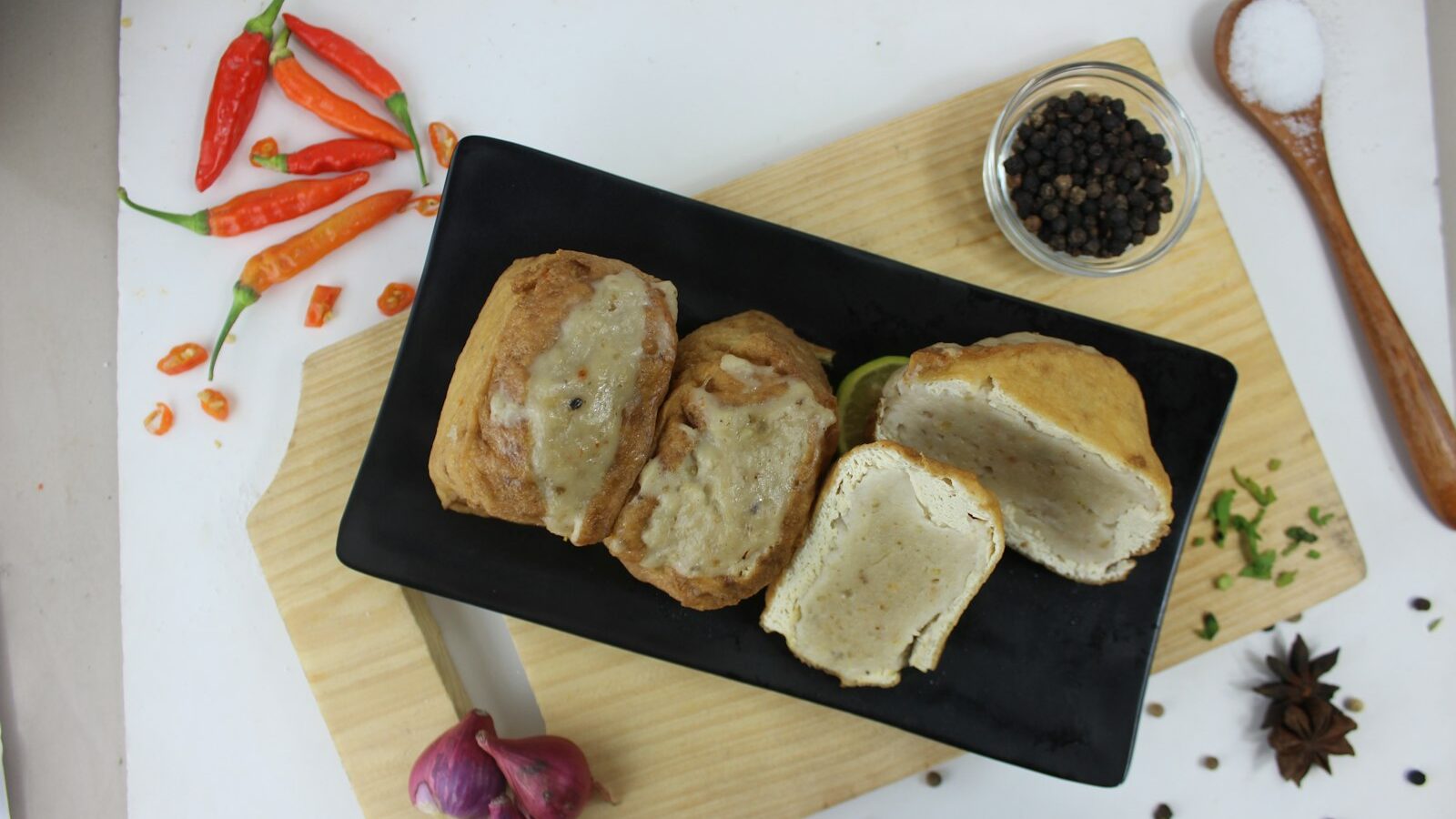
Tahu goreng is one of those unassuming hawker dishes that quietly wins people over. On the surface it is simply fried tofu, but the magic is in the way soft, golden bean curd meets a thick, sweet and savoury peanut sauce, with crunchy bean sprouts and cool cucumber cutting through the richness. For anyone exploring tahu goreng singapore style, it sits comfortably alongside our other beloved sauced snacks and salads, and it is well worth ordering the next time you see it on a Malay or mixed rice stall menu.
What It Is and Where It Comes From
The name says most of it. In Malay and Indonesian, tahu means tofu and goreng means fried, so tahu goreng is fried tofu. The dish has roots in the broader Malay and Indonesian culinary world, where fried tofu paired with a peanut based sauce appears in many forms across the region. In Singapore it has become part of the everyday hawker landscape, served at Malay stalls, mixed vegetable rice stalls, and stalls that also sell dishes like mee rebus and mee soto.
At its heart the dish is a study in contrast. The tofu is deep fried until the outside turns firm and lightly crisp while the inside stays soft and custardy. It is then cut into cubes or thick slices and topped, or tossed, with a peanut sauce that is thicker and sweeter than the thin dressings you might expect on a salad. Fresh raw vegetables round it out and keep it from feeling heavy.
Because it shares a family resemblance with other local favourites, many people first discover it while working through a wider list. If you enjoy the sauced and tossed style of eating, you will find kindred dishes in our popiah and rojak guide, which covers other Singapore classics built on similar textures and sauces.
How It Is Made and Served
Making tahu goreng starts with good tofu. Firm or semi firm tofu holds up best to frying, and it is usually patted dry before going into hot oil so it browns rather than steams. The frying gives the tofu its signature skin, a thin layer that soaks up sauce beautifully while the centre remains tender.
The sauce is where each stall shows its hand. A typical peanut sauce is built from ground roasted peanuts loosened with water, seasoned with sweet ingredients, a little tang, and often a gentle chilli warmth. Some versions lean sweeter, some are more savoury, and some carry a deeper, slightly smoky note. The sauce is thick enough to cling to the tofu rather than pool at the bottom of the plate.
To serve, the fried tofu is arranged on a plate, scattered with blanched bean sprouts and shredded or sliced cucumber, then generously covered with the peanut sauce. A final touch might include a scattering of fried shallots or a squeeze of lime, depending on the cook. It is usually eaten as a snack or a light meal, and it also works well as a side dish alongside other hawker fare.
Flavours, Textures and How to Eat It
A good plate of tahu goreng is all about balance. The first thing you notice is the sauce, which is rich, nutty and sweet, with a savoury backbone and often a whisper of heat. Against that, the tofu offers its soft interior and lightly crisp edges, the bean sprouts snap, and the cucumber brings a clean, watery freshness. Every mouthful can carry a bit of each element, which is exactly the point.
To eat it well, use your spoon and fork to gather tofu, vegetables and sauce together rather than eating the tofu on its own. If the sauce feels very thick, a little lime or a splash of the stall chilli can brighten it. Some people like an extra dollop of sambal on the side for those who want more fire.
Choosing a plate is mostly about freshness. Look for tofu that has clearly been fried to order or kept warm, and sauce that looks glossy rather than dried out. As with many peanut based dishes, the sauce is the star, so if it tastes well balanced you are in good hands.
Allergens and Dietary Notes
Tahu goreng carries two important allergens. The peanut sauce means it contains nuts, specifically peanuts, so anyone with a peanut or tree nut allergy should avoid it or ask carefully. The tofu itself is made from soybeans, so the dish also contains soy. Some sauces may include other ingredients that introduce further allergens, and shared frying oil at busy stalls can be a concern for those with strict allergies. If you have any doubt, speak to the stallholder before ordering.
On the plus side, the classic version is naturally meat free and often suitable for vegetarians, since the core is tofu and vegetables in a peanut sauce. Even so, recipes vary from stall to stall, so vegetarians and vegans should confirm the sauce ingredients rather than assume.
Where to Find Tahu Goreng in Singapore
You are most likely to find tahu goreng at Malay food stalls, at stalls specialising in dishes like mee rebus, mee soto and lontong, and sometimes at mixed rice or economy rice stalls. Hawker centres and coffee shops across the island are the natural home for it, particularly in neighbourhoods with a strong Malay food presence. Because stall offerings change over time, it is best to check current hawker listings, community food groups, or a quick online search for stalls near you rather than relying on any single fixed recommendation.
If you are building a broader tasting list of local classics, tahu goreng slots neatly next to other everyday favourites. For more ideas on what to try around the island, browse our street snacks guide and our roundup of local desserts in Singapore to round off the meal on a sweet note. Wherever you find it, tahu goreng rewards a slow, savouring approach, and it is a fine reminder of how much flavour can come from something as humble as fried tofu.