
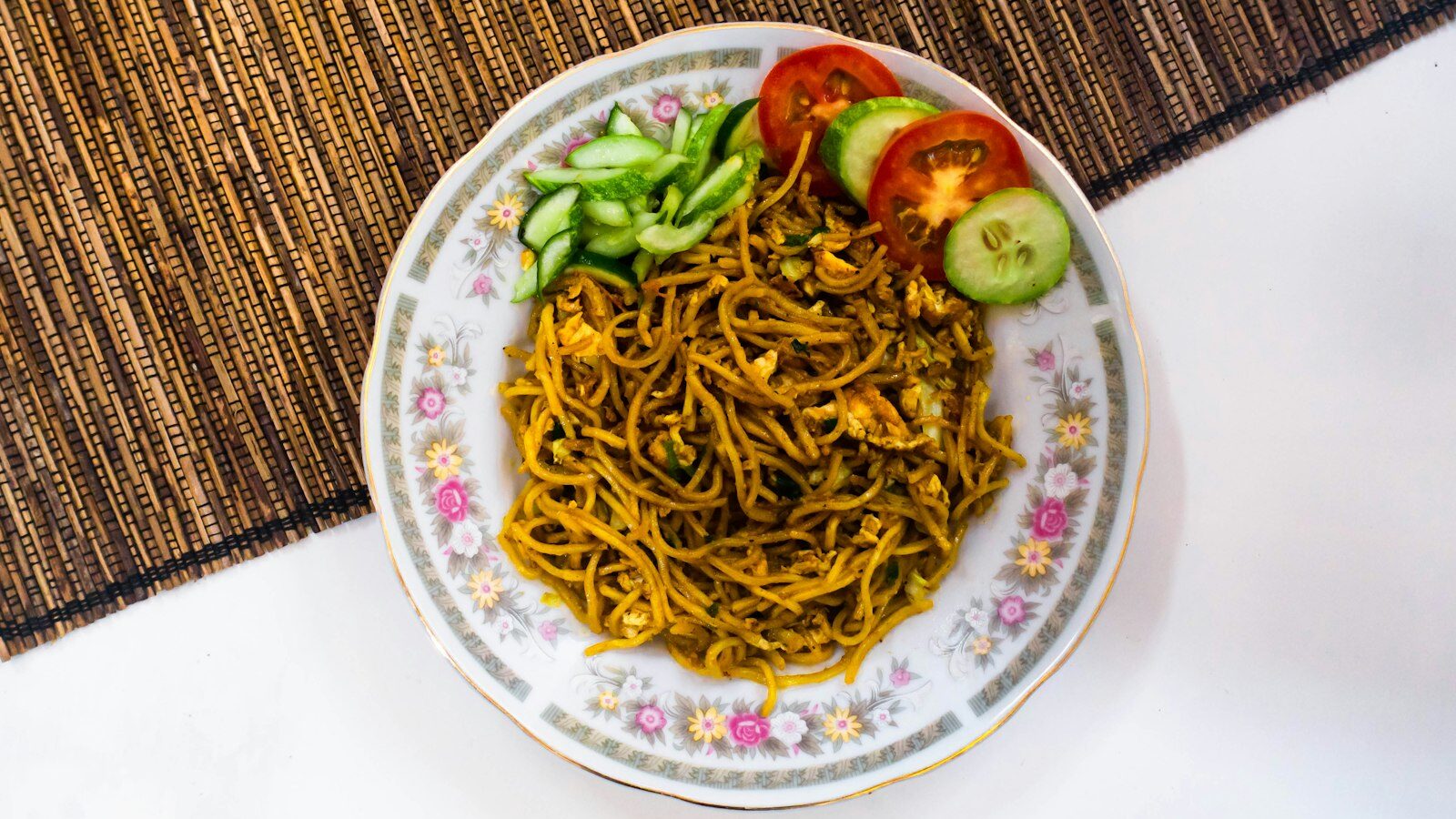
Sweet, spicy, savoury and utterly moreish, mamak mee goreng is one of the most beloved fried noodle dishes in Singapore. A product of Indian-Muslim cuisine, it is bursting with flavour and comfort. This guide explores mee goreng and the wider world of mamak favourites that keep people coming back.
What mee goreng is
Mee goreng, meaning fried noodles, is in its Indian-Muslim, or mamak, form a plate of yellow noodles stir-fried with a distinctive blend of ingredients and sauces that give it a signature sweet, spicy and savoury flavour. It typically includes elements like potato, tomato-based sauce, chilli, egg, and often tofu or other additions, all tossed together over high heat. The result is a colourful, flavour-packed plate that is hearty and satisfying. This mamak-style mee goreng is distinct from other fried noodle dishes, with its own unmistakable taste that fans crave, balancing sweetness, tang and spice.
The signature flavour
What sets mamak mee goreng apart is its complex, layered flavour profile. Rather than a simple savoury fry, it combines sweetness, often from a tomato or chilli-based sauce, with spice, tang and savoury depth, creating a plate that hits multiple notes at once. A good mee goreng is well-balanced, not cloyingly sweet nor overwhelmingly spicy, with each element in harmony. The noodles should be well-coated in the flavourful sauce and cooked with a bit of char from the wok. This distinctive taste is why mamak mee goreng has such a devoted following and why it is so satisfying.
The wider mamak menu
Mee goreng is part of a broader repertoire of Indian-Muslim, or mamak, dishes, many of which share a love of bold, comforting flavours.
- Maggi goreng, a beloved fried version using instant noodles, a cult favourite.
- Mee rebus, noodles in a thick, savoury-sweet gravy.
- Roti prata, the flaky flatbread with curry, a mamak staple.
- Murtabak, a stuffed, savoury pancake.
- Teh tarik, the frothy pulled tea to wash it all down.
Exploring the mamak menu is a delicious journey, and these dishes are often available together at the same eateries.
Maggi goreng: a modern favourite
Special mention goes to maggi goreng, a wildly popular dish that takes instant noodles and fries them mamak-style with the same flavourful treatment as mee goreng. It has achieved something of a cult status, beloved for its comforting, savoury-spicy taste and satisfying texture. It is proof of the mamak knack for turning humble ingredients into something craveable, and it is a favourite late-night and supper option. If you enjoy mee goreng, maggi goreng is a must-try variation that many find equally, if not more, addictive.
Why mamak food is beloved
| Reason | What it means |
|---|---|
| Bold flavours | Sweet, spicy, savoury combinations that satisfy |
| Affordability | Hearty, tasty food at friendly prices |
| Availability | Many spots open late, ideal for supper |
| Variety | A broad menu with something for everyone |
| Atmosphere | Casual, lively eateries with teh tarik flowing |
This combination makes mamak eateries a beloved fixture, especially for casual meals and late-night cravings.
How to enjoy it
- Try mee goreng and maggi goreng, to compare the two favourites.
- Pair with teh tarik, the classic mamak drink.
- Explore the menu, adding prata or murtabak for variety.
- Go for supper, since many mamak spots shine late at night.
- Ask for your spice level, adjusting the heat to your taste.
Where to find it
Mamak mee goreng and its companions are found at Indian-Muslim eateries and stalls across Singapore, from hawker centres to the casual, often late-opening restaurants that define mamak culture. These spots are found throughout the heartlands and city, and many are open into the small hours, making them go-to destinations for supper. A busy mamak eatery with a sizzling wok turning out plate after plate of fragrant mee goreng is exactly the place to enjoy this beloved dish at its best.
The takeaway
Mamak mee goreng is a flavour-packed favourite that captures the best of Indian-Muslim cuisine: sweet, spicy and savoury fried noodles that are comforting, affordable and utterly moreish. Alongside cult favourites like maggi goreng and staples like mee rebus and prata, it forms part of a beloved mamak repertoire best enjoyed with a frothy teh tarik, often late into the night. Try the classics, explore the wider menu, and embrace the casual, lively atmosphere. For bold flavours and comforting satisfaction, mamak food is one of the great pleasures of eating in Singapore, and a plate of well-fried mee goreng with a frothy teh tarik on the side is about as satisfying a casual meal as you could ask for, any time of the day or night.
Making mee goreng at home
While a busy stall with a screaming-hot wok is hard to beat, a decent plate of mee goreng is very achievable in a home kitchen once you understand the building blocks. The dish is less about a single secret ingredient and more about layering flavours and cooking fast over high heat so the noodles pick up a little char without turning mushy. Start with fresh yellow noodles, loosen them under running water so they do not clump, then have everything prepped and within arm’s reach before the wok goes on, because the actual frying takes only a few minutes.
- Build a flavour base: soften aromatics such as shallots, garlic and chilli in oil before anything else goes in, so the sweetness and heat carry through the whole plate.
- Balance the sauces: the signature sweet, tangy, savoury profile comes from a mix of tomato-based sauce, chilli and a savoury element, adjusted a little at a time and tasted as you go.
- Add the substantial bits early: boiled potato, firm tofu (taupok or tau kwa) and any protein need a head start over the delicate ingredients.
- Push the heat: keep the flame high and toss constantly so the noodles fry rather than steam, which is what gives that faint smoky “wok hei” character.
- Finish fresh: a scramble of egg folded through at the end, plus a squeeze of lime or calamansi and a scatter of spring onion, lifts the whole plate.
Do not overcrowd the pan. If you are cooking for several people, fry in batches rather than dumping everything in at once, otherwise the noodles stew in their own moisture and lose that appealing texture. Season conservatively at first, since it is far easier to add more sauce than to rescue a plate that has gone too sweet or too salty.
Common questions answered
Mee goreng invites a few recurring questions from first-timers and regulars alike, and a little context helps you order and enjoy it with confidence.
- Is mamak mee goreng always halal? Indian-Muslim eateries are the traditional home of this dish and typically serve halal food, but standards and certification vary from place to place. If it matters to you, look for the certification displayed at the premises or check the official Muis (Islamic Religious Council of Singapore) listings for current halal-certified establishments rather than assuming.
- Can I get a vegetarian version? Mee goreng lends itself well to a meat-free plate, since tofu, potato, egg and vegetables already do a lot of the work. Do ask the stall directly, as some versions include prawns, mutton or a stock-based seasoning that is not obvious from the plate alone.
- How is it different from Chinese-style fried noodles? The mamak version leans sweet, tangy and spiced, built around a tomato and chilli character, whereas many Chinese fried noodle dishes lean towards a soya and oyster-sauce savouriness. They are cousins rather than the same dish, which is part of the fun of comparing them.
- Is it very spicy? Heat levels differ between cooks, and most stalls are happy to adjust. If you prefer it milder or hotter, simply say so when you order, and mention if you would like extra egg or no egg while you are at it.
- Is it a heavy meal? It is hearty and carbohydrate-rich, which is exactly why it works so well as supper or a filling lunch. If you are watching your intake for health reasons, treat it as an occasional indulgence and pair it with a lighter drink rather than a sweetened one.
Whether you are ordering at a bustling eatery or attempting your own version at home, understanding these basics helps you appreciate why mee goreng has stayed a firm Singapore favourite across generations.
Explore more: Mee rebus and mee siam: a guide · Teh tarik and mamak culture · Roti prata guide