
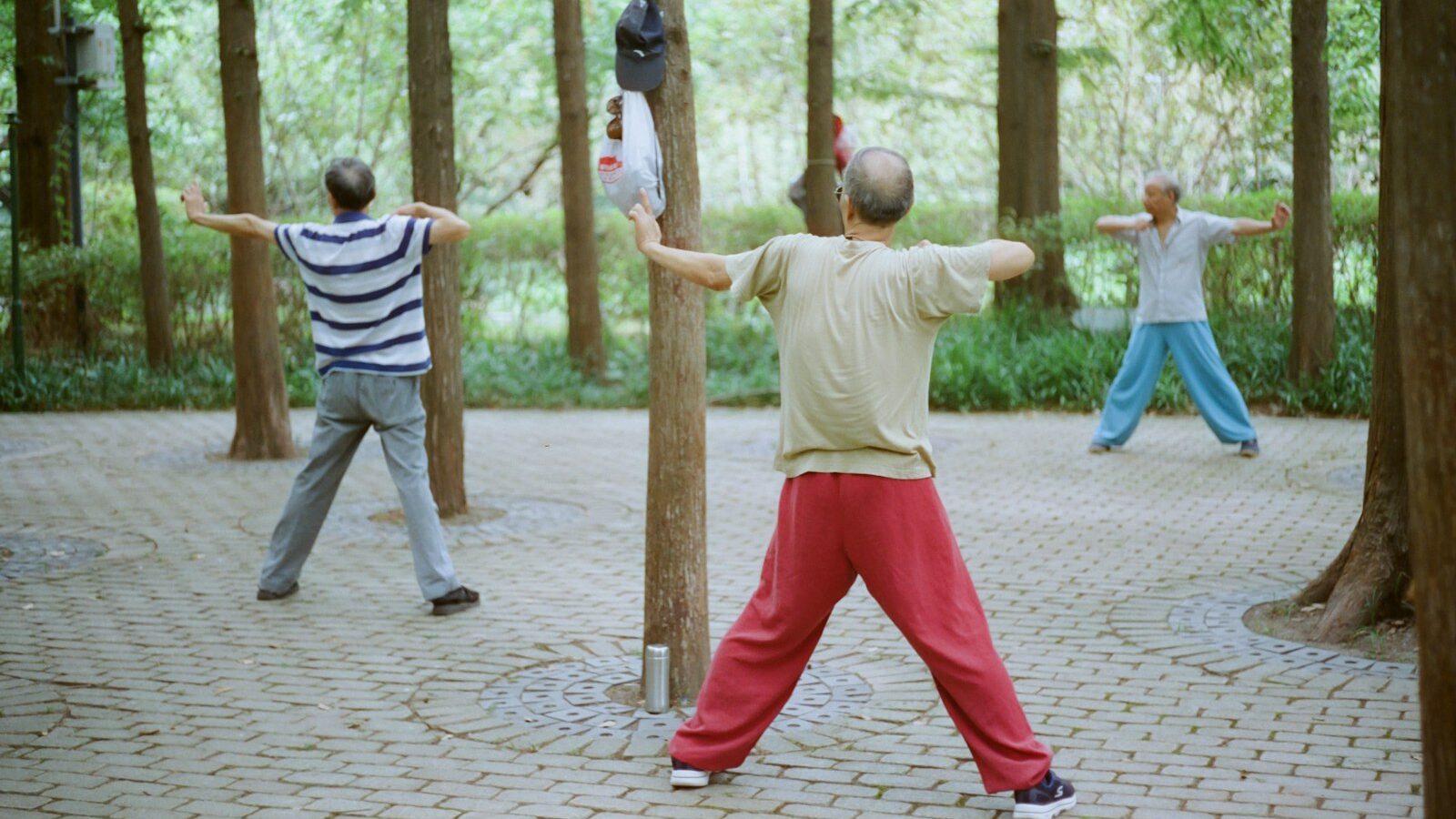
Walk through almost any HDB estate in the early morning and you will likely see a group moving slowly and deliberately in a void deck or park, arms flowing through the air in unhurried arcs. That is tai chi and qigong in action, two related practices that have quietly kept generations active. Far from being only for the elderly, they offer a gentle, low-impact route to better balance, strength and calm that suits almost anyone. This guide explains what they are and how to begin.
This is general wellbeing information, not medical advice. These practices are gentle, but if you are older, recovering from surgery or a fall, pregnant, or living with a heart condition, dizziness or a chronic illness, check with a doctor or physiotherapist before starting, and begin slowly.
What Tai Chi and Qigong Actually Are
Both come from Chinese tradition and share a focus on slow, controlled movement paired with steady breathing, but they are not identical.
Qigong is the broader and simpler of the two. It combines gentle movements, breathing and focused attention, often in short repeated sequences. Many exercises can be done standing on the spot, which makes qigong very approachable for complete beginners.
Tai chi grew from a martial art and links movements into longer flowing forms, sometimes called sets. Following a sequence takes a little more learning, but the slow pace means it remains gentle on the joints throughout.
In everyday practice the line between them blurs, and many community classes teach elements of both. What matters for fitness is what they share: unhurried, weight-shifting movement that asks your body to balance, coordinate and stay relaxed at the same time.
The Fitness Benefits, Honestly
It is easy to underestimate how much a slow practice can do. Because the movements never jar the body, the benefits accumulate quietly rather than through obvious sweat and strain.
- Balance and stability. Constant, controlled weight shifts train the exact skills that guard against falls, which is why tai chi is so often recommended for older adults. If this appeals, our guide to balance and stability training complements it well.
- Leg and core strength. Holding gentle bent-knee postures works your legs and trunk far more than it looks, building strength without heavy loads.
- Flexibility and mobility. The wide, flowing range of motion keeps joints supple and eases stiffness.
- Calm and focus. The pairing of breath and movement has a settling, meditative quality that many people find lowers stress.
- Accessibility. There is no equipment, no impact and little space needed, so it works for a wide range of ages and fitness levels, including those staying active with limited mobility.
What they are not is a replacement for everything. They build a genuine but gentle base. If your goals include serious cardiovascular fitness or building significant muscle, treat tai chi and qigong as a valuable part of your week rather than the whole of it.
How They Compare to Other Gentle Options
Singapore offers several low-impact ways to stay active, and each has its own flavour. The table below compares tai chi and qigong with two popular alternatives to help you see where they fit.
| Feature | Tai chi and qigong | Yoga | Brisk walking |
|---|---|---|---|
| Main focus | Balance, flow, calm | Flexibility, strength | Cardiovascular fitness |
| Impact on joints | Very low | Low | Low to moderate |
| Equipment needed | None | A mat | Supportive shoes |
| Balance training | Strong | Moderate | Light |
| Ease for beginners | High | Moderate | Very high |
| Social element | Often group based | Varies | Flexible |
None of these is better in absolute terms; they simply suit different goals. Many people happily combine them across a week for variety.
Getting Started in Singapore
The wonderful thing about these practices here is how available they are. You do not need to invest much to try them.
- Look to community centres and CCs. Many run affordable tai chi and qigong classes for a range of ages, often in the mornings. A guided class is the best way to learn correct movement early.
- Join a park or void deck group. Informal morning groups gather in parks and estates across the island. Many welcome newcomers warmly; it is worth politely asking.
- Use reputable online lessons to supplement. Once you know the basics, following along at home can reinforce them. Choose clear, well-explained videos rather than fast-paced routines.
- Start with a few movements. You do not need to learn a full form at once. A handful of qigong movements practised regularly is a genuine start.
Given Singapore’s heat, the traditional early-morning timing is practical as well as cultural. Before around 9am the air is cooler and shadier spots under void decks or trees keep you comfortable. Evenings after sunset work too. Wear loose, breathable clothing, keep water nearby, and if you feel dizzy or unwell, stop and rest.
Practising Safely and Making It Stick
These are among the safest forms of exercise, but a little care goes a long way, especially for beginners and older practitioners.
- Warm up gently. Even slow movement benefits from a few minutes of easy loosening first. Our notes on warming up and cooling down properly apply here too.
- Never force a posture. The bent-knee stances should feel like gentle work, not strain. Stay within a comfortable range and rise up higher if your knees complain.
- Use support if needed. If your balance is unsteady, practise near a wall or a sturdy chair, and do not be shy about it.
- Stop for pain or dizziness. Mild effort is fine; sharp pain, dizziness or breathlessness are signals to rest and, if they persist, to see a doctor.
The real strength of tai chi and qigong is how sustainable they are. Because they are gentle and social, they are easy to keep up for years, which matters far more than intensity. The same habits that help with staying consistent with exercise apply: a regular time, a familiar spot, and ideally a bit of company.
For many people in Singapore, that quiet morning practice becomes less a workout and more a daily ritual, one that keeps the body balanced, the joints mobile and the mind a little calmer. That is a rare and valuable combination, and it is open to almost anyone willing to move slowly and show up.
Explore more: Balance and stability training · Staying active with limited mobility · Warming up and cooling down properly · Staying consistent with exercise