
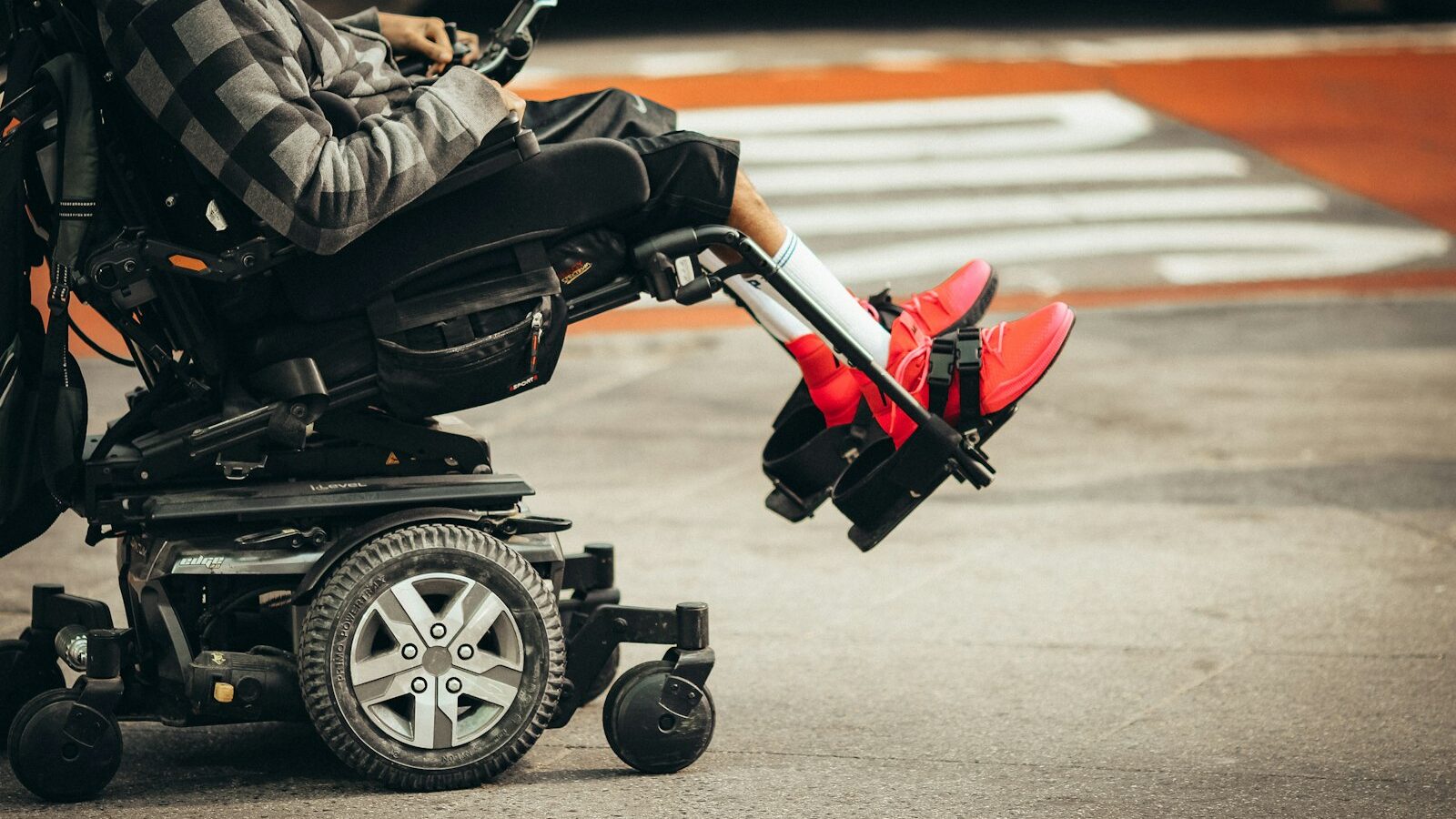
Movement is for every body, not just for the fit and the young. If an injury, a joint problem, a chronic condition, a disability, or simply the changes of age have narrowed what you can comfortably do, it is easy to feel that exercise is no longer for you. It still is. Staying active with limited mobility is not only possible, it is one of the best things you can do for your energy, your mood, your circulation and your independence. This guide shares gentle, adaptable ways to keep moving, whatever your starting point.
An important note before you begin. This is general information, not medical or physiotherapy advice. Please check with your doctor or a physiotherapist before starting or changing your activity, especially after a fall, surgery or hospital stay, or if you live with a heart condition, high blood pressure, diabetes, arthritis, or any ongoing condition. A physiotherapist can tailor movements to your specific needs. Start gently, stay within a comfortable range, and stop if you feel dizzy, unwell or any sharp pain.
Why Movement Still Matters
When mobility is limited, it is tempting to rest as much as possible, but too much stillness has its own costs. Gentle, regular movement helps keep the joints you can use supple, supports blood flow, maintains the muscle and stamina that daily life depends on, and helps manage stiffness and low mood. It can also support better sleep and appetite.
You do not need to do a lot. Even small amounts of movement, repeated often through the day, add up and are far better than none. The aim is not to push through pain or exhaust yourself. It is to find the movement you can do, do a little of it regularly, and gradually build from there.
Focus on what you can do rather than what you cannot. If your legs are limited, your arms and core can still work. If standing is hard, seated movement opens up dozens of options. If one side is affected, the other can still be trained, which often helps the weaker side too.
Gentle Movement You Can Adapt
The best exercise is the one that fits your body and that you will actually repeat. Here are approaches that adapt well to a wide range of abilities. Move slowly, breathe naturally, and never force a joint.
- Seated upper-body work. Shoulder rolls, arm raises, gentle curls and presses with light objects like water bottles keep the arms and shoulders strong and mobile.
- Seated lower-body work. Leg extensions, seated marches, ankle circles and heel raises maintain the leg muscles and circulation. Our guide to chair exercises for seniors and beginners sets out a full seated routine.
- Supported standing work. If you can stand safely, holding a sturdy rail, table or chair back lets you do gentle heel raises, mini squats and side leg lifts with confidence.
- Range-of-motion and stretching. Slow, gentle stretches keep joints from stiffening. Move only to the point of a mild stretch, never pain.
- Resistance bands. Light bands add gentle strengthening without weights and store easily at home. See our resistance band workouts guide for ideas you can do seated.
If a movement hurts, make it smaller, slow it down, or leave it out. Pain is a signal to ease off, not to push harder. Mild effort and warmth are fine, sharp or lasting pain is not.
Adapting Cardio and Everyday Activity
Getting your heart and lungs working does not require running or jumping. Many gentle activities raise your heart rate enough to benefit your health while remaining kind to your joints.
Seated marching, arm circles done briskly, water bottle punches and repeated sit-to-stands can all lift your heart rate from a chair. If you have access to a pool, water supports your body weight and takes pressure off the joints, making aqua-based movement one of the gentlest forms of cardio available. Many ActiveSG pools have accessible facilities, so it is worth asking staff what is available.
Everyday activity counts too. A slow stroll along a covered HDB corridor or a shaded park connector, gardening at the community plot, or gentle household tasks all keep you moving. Break activity into short bursts through the day rather than one long effort, and choose the cooler morning or evening hours to avoid the worst of the heat and humidity. Keep water close and sip often, since dehydration and overheating can creep up quickly here.
Choosing an Approach That Fits Your Ability
Use this as a rough guide to match the type of movement to your current situation. Your doctor or physiotherapist can help you decide what is right for you.
| If you can | A good place to start | Progress towards |
|---|---|---|
| Move arms but not stand safely | Seated upper-body strength and stretches | Adding light bands and more repetitions |
| Move legs from a seated position | Seated leg work and marches | Supported standing movements |
| Stand with support | Chair-supported squats and heel raises | Gentle balance work near support |
| Walk short distances | Short, frequent walks in cool hours | Slightly longer or more frequent walks |
Progress gently and on your own timeline. There is no rush and no competition. The person who moves a little every day will gain far more than the one who does a hard session once and then stops. For those working on steadiness, our guide to balance and stability training covers fall prevention safely.
Building Support and Keeping It Up
Staying motivated is easier with support. Tell a family member what you are doing so they can encourage you, and consider exercising within reach of someone at first, especially when trying standing work. Many community centres, senior activity centres and voluntary groups across Singapore run gentle and accessible sessions, which add company and gentle accountability.
Set small, realistic goals, such as a few minutes more each week, and celebrate them. Keep a simple record so you can see your progress over time. If your condition changes, or a movement starts to cause pain, pause and check in with your doctor or physiotherapist before continuing.
Staying active with limited mobility is a lifelong, flexible practice rather than a fixed programme. Meet your body where it is today, move gently and often, and let small, steady efforts protect your strength, comfort and independence.